

The Hidden Power of Support and Resistance Flips: Turn Previous Barriers into Launchpads
Every trader has seen it: price smashes through a level you were sure would hold, only to come right back and test it from the other side. That moment of frustration is actually one of the most reliable setups in technical analysis. It’s called a support and resistance flip, and once you learn to spot it, you’ll never look at a horizontal line the same way again.
In this post, we’ll break down exactly what a flip is, why it works, and how you can trade it with confidence—even if you’re just starting out.
How It Works
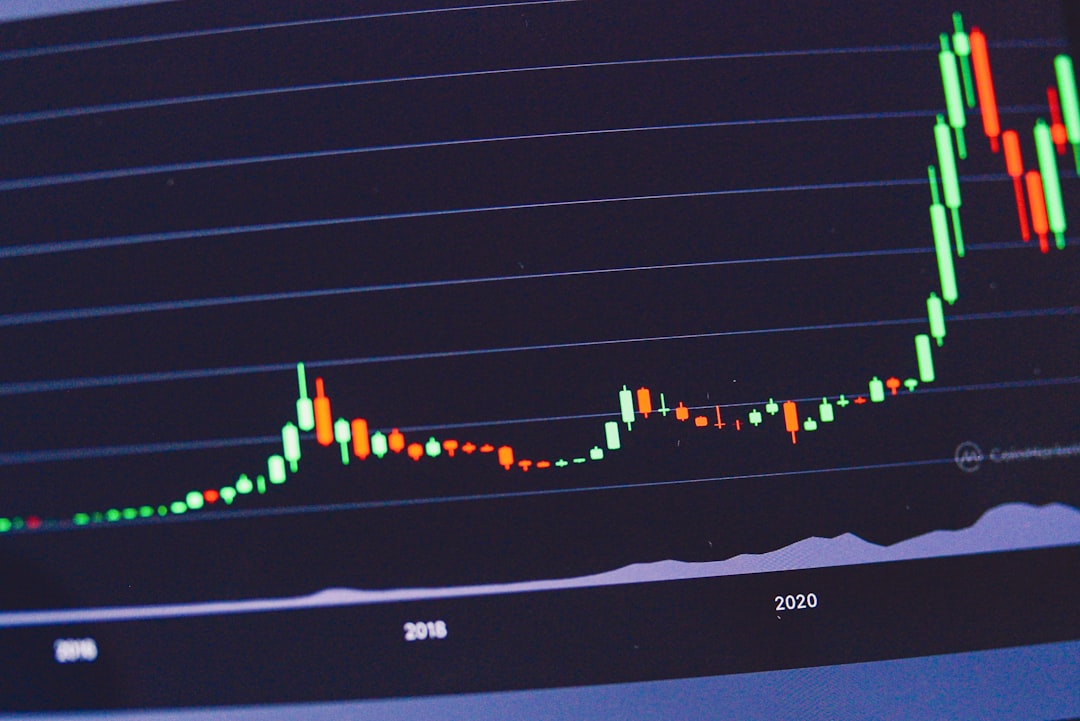
Support and resistance levels are psychological zones where buyers and sellers have historically stepped in. When price breaks above a resistance level, that level often becomes new support. When it breaks below support, that level often becomes new resistance. This role reversal is the flip.
Think of it like a door: when it’s closed, it holds you back (resistance). Once you push through, the same door can hold you up (support). The market remembers where the crowd was waiting, and after a breakout, those same traders often jump in on the retest.
The Setup
To trade a support and resistance flip, you need three things:
1. A clear, horizontal level – Draw it where price has touched at least twice before. The more touches, the stronger the level.
2. A decisive breakout – Price must break through the level with conviction. Look for a strong candle close beyond the level, preferably with higher volume.
3. A retest – After the breakout, price often returns to the level. This is your entry opportunity.
Example (Long Trade):
- Identify a resistance level at $100 that has held twice.
- Price breaks above $100 and closes above it.
- Wait for price to pull back to $100 (now acting as support).
- Enter a long position when price shows a bullish rejection candle (like a hammer or bullish engulfing) at the level.
Example (Short Trade):
- Identify a support level at $50.
- Price breaks below $50 and closes below it.
- Wait for a retest of $50 from below (now acting as resistance).
- Enter a short position on a bearish rejection candle.
Risk Management
No setup works 100% of the time. Flips can fail if the breakout was fake (a “bull trap” or “bear trap”). Here’s how to protect yourself:
- Stop Loss: Place it just beyond the flip level. For a long trade, put your stop a few cents below the old resistance (now support). For a short, put it just above the old support (now resistance).
- Position Size: Never risk more than 1-2% of your account on a single trade. Flips are high-probability, but they’re not guarantees.
- Confirmation: Don’t enter on the first touch. Wait for a candle to close that confirms the flip. A wick touching the level isn’t enough.
- Take Profit: Look for the next major level above (for longs) or below (for shorts). You can also trail your stop once price moves in your favor.
Conclusion
Support and resistance flips are one of the cleanest, most repeatable patterns in trading. They combine the power of market psychology with clear, actionable entries. Start by drawing horizontal levels on your charts, watching for breakouts, and waiting for the retest. With proper risk management, this simple strategy can become a cornerstone of your trading plan.
Remember: the market loves to revisit old battlegrounds. When it does, be ready to trade the flip.
How Diverse Voices in Crypto Change Product, Policy, and Hiring Outcomes
What happens when the right people enter the right rooms in crypto? According to senior leaders from Mastercard, the Crypto Council for Innovation (CCI), and Clerisy, the answer is simple: better products, smarter policies, and stronger teams. Speaking at CoinDesk’s Consensus Miami conference in early May 2026, these executives shared how outside perspectives reshaped everything from stablecoin card development to staking regulation language. For crypto users, this matters because the voices shaping the industry directly affect what products become available, how regulations are written, and who builds the tools you use daily. This guide explains how diverse input drives better crypto outcomes, with real examples you can apply when evaluating projects or engaging with policy discussions.
Read time: 8-10 minutes
Understanding Diversity in Crypto Decision-Making for Beginners
Diversity in crypto means bringing people with different backgrounds, expertise, and perspectives into product design, policy creation, and hiring decisions. Think of it like building a house: if only architects design it, you might forget that electricians, plumbers, and future residents have essential insights too. In crypto, this principle applies to everything from user interfaces to regulatory frameworks.
Why does this matter now? The crypto industry is maturing rapidly. In 2025, stablecoins alone settle over $1 trillion monthly, and staking has become a multi-billion-dollar ecosystem. As these systems grow, the assumptions made by a small group of similar-minded people can lead to products that confuse newcomers, policies that stifle innovation, or teams that lack creative problem-solving.
A real-world example comes from Mastercard’s crypto team. Initially, they thought infrastructure was the key to crypto adoption. But an outside partner challenged this assumption, helping them realize that usability—not just technical capability—was the real barrier. This shift led to cards linked to stablecoins, serving users in markets with limited traditional banking access.
The Technical Details: How Outside Perspectives Reshape Crypto Decisions
The panelists at Consensus Miami highlighted three specific areas where diverse voices changed outcomes:
1. Product Development: From Infrastructure to Accessibility
Mastercard’s SVP for Blockchain & Digital Assets, Maja Lapcevic, explained that her team initially believed “infrastructure was the winning formula for crypto.” But a partner helped them reframe the problem.
- The old approach: Focus on building better rails for crypto transactions.
- The new approach: Make crypto “accessible, not complex, very simple to use.”
- The result: Cards linked to stablecoins designed for users in underserved markets.
Why this matters: Products built by engineers for engineers often alienate mainstream users. Including voices from user experience, customer support, and non-crypto-native industries leads to products that serve real-world needs.
2. Policy Framing: From Financialized Product to Technical Service
Alison Mangiero, Chief Strategy Officer at the Crypto Council for Innovation, described how her organization’s policy work on staking evolved after including builders of staking primitives in discussions.
- The old framing: “Sometimes we might think we understand…we’ll take a shortcut and say, oh, that sounds like a fund. Oh, that sounds like interest or yield.”
- The new understanding: After hearing from actual builders, CCI recognized staking as “a technical service rather than a financialized product.”
- The impact: More accurate regulatory language that doesn’t accidentally classify staking as a security.
Why this matters: When policymakers misunderstand how staking works technically, they may apply inappropriate regulations that harm both users and innovation. Including technical voices in policy discussions leads to better rules.
3. Hiring Practices: Beyond Surface-Level Diversity
Alexandra Wilkis Wilson, Co-Founder and Managing Partner at Clerisy, brought the argument to team building, noting that “many of us fall into a very comfortable bias of hiring people who not only might look like ourselves or remind you of your younger self.”
- The problem: One 10-person startup she worked with found that 8 of 10 team members were extroverts through a Myers-Briggs analysis.
- The solution: Actively seek cognitive diversity—personality types, thinking styles, and problem-solving approaches different from the founders.
- The benefit: Teams with varied perspectives make better decisions and build more inclusive products.
Why this matters: Homogeneous teams create blind spots. A team of all extroverts might design a product that assumes everyone loves community engagement, missing users who prefer privacy or thoughtful reflection.
Current Market Context: Why This Matters in 2026
The push for diverse voices comes at a critical moment for crypto. As Mangiero noted, “Crypto is having a moment right now where folks are really interested in hearing our voice.” But she added the crucial question: “What is our voice at the end of the day?”
Several market dynamics make this relevant:
- Regulatory uncertainty: The SEC continues debating which crypto assets are securities. Accurate technical framing, like CCI’s distinction between staking as a service versus a financial product, could influence how regulations are written.
- Institutional adoption: Mastercard’s stablecoin cards show how traditional financial giants are entering crypto. Their approach to including diverse perspectives will shape how millions of users first experience digital assets.
- Talent competition: With Coinbase recently cutting 14% of staff and AI reshaping crypto operations, how teams are built matters more than ever. Companies that hire for cognitive diversity may outperform those that don’t.
As of mid-2026, the crypto industry is still defining itself. The voices included in product, policy, and hiring discussions today will determine what crypto looks like for the next decade.
Competitive Landscape: How These Companies Compare
The three organizations represented by the panelists show different approaches to inclusion:
| Feature | Mastercard | Crypto Council for Innovation (CCI) | Clerisy |
|---|---|---|---|
| Role in Crypto | Major payments network integrating stablecoins | Industry advocacy and policy group | Talent and team-building consultancy |
| Inclusion Focus | Product development with outside partners | Policy discussions with technical builders | Cognitive diversity in hiring |
| Key Success | Stablecoin-linked cards for underserved markets | Reframing staking as a technical service | Helping startups build balanced teams |
| User Impact | Direct: More accessible crypto payment options | Indirect: Better regulatory outcomes | Indirect: Better products through diverse teams |
Why this matters: Each organization demonstrates that inclusion isn’t just a buzzword—it leads to concrete, measurable outcomes. Users benefit from better products, clearer regulations, and more thoughtful industry growth.
Practical Applications: Real-World Use Cases
How can you apply these lessons as a crypto user?
- Evaluating products: Ask whether a crypto app or service seems designed for one type of person. Products built by diverse teams tend to work better for diverse users.
- Engaging with policy: If you’re involved in crypto advocacy, push for technical experts to be included in regulatory discussions. The difference between “staking as yield” and “staking as a technical service” has real legal consequences.
- Building your own team: Whether you’re founding a project or contributing to a DAO, consider cognitive diversity. A team of all analysts might miss creative solutions; a team of all creatives might lack risk awareness.
- Choosing where to work: Look for companies that hire for diversity of thought, not just surface-level metrics. The panelists all emphasized that true diversity comes from different perspectives, not just different demographics.
Risk Analysis: Expert Perspective
Primary Risks:
1. Token diversity: Including more voices can slow decision-making. The panelists acknowledged this trade-off but argued that better outcomes justify the time investment.
2. Misunderstanding “diversity”: Some organizations focus on visible diversity while ignoring cognitive diversity. A team that looks diverse but thinks identically hasn’t solved the problem.
3. Regulatory capture: When policy discussions include industry voices, there’s a risk of self-serving regulations. Mangiero’s framing—including token holders and builders alongside consumer protections—attempts to balance this.
Mitigation Strategies:
- Active listening: The key isn’t just having diverse people in the room, but genuinely hearing their perspectives.
- Structured inclusion: Use tools like Myers-Briggs or other frameworks to identify blind spots, as Wilson suggested.
- Continuous questioning: Mangiero’s point about “shortcuts” (assuming something “sounds like a fund” without understanding its mechanics) applies everywhere.
Expert Consensus: The panelists agreed that inclusion is not optional but essential for crypto’s long-term success. Mangiero closed by noting that “Consensus is called Consensus for a reason”—good policy and good products require the industry to ensure different communities are reflected.
Beginner’s Corner: Quick Start Guide
If you want to bring more diverse voices into your own crypto involvement:
Step 1: Identify your blind spots — Ask yourself what perspectives you’re missing. Are you only talking to traders? Only developers? Only people your age?
Step 2: Seek out different viewpoints — Join crypto communities focused on different use cases (DeFi, NFTs, payments, DAOs). Follow people who challenge your assumptions.
Step 3: Question shortcuts — When you hear someone describe a concept in financial terms (like “staking is yield”), ask for the technical reality underneath.
Step 4: Advocate for inclusion — If you’re part of a crypto project, push for diverse hiring and inclusive product design.
Step 5: Stay informed — Follow organizations like CCI, attend conferences like Consensus, and read analysis that includes multiple perspectives.
Common mistakes to avoid:
- Assuming diversity means just different demographics
- Thinking one person can represent “the user perspective”
- Ignoring cognitive diversity (personality types, thinking styles)
Future Outlook: What’s Next
The lessons from Consensus Miami point to several trends:
1. More user-centric products: As companies like Mastercard prioritize accessibility over complexity, expect more crypto products designed for non-technical users.
2. Smarter regulations: With groups like CCI bringing technical voices into policy discussions, future crypto regulations may be more nuanced and effective.
3. Better hiring practices: The emphasis on cognitive diversity by firms like Clerisy suggests that the next wave of crypto startups will be more intentionally built.
Mangiero’s closing question—”What is our voice?”—remains open. But the panelists made clear that the crypto industry’s voice should include many perspectives, from token holders to builders, from consumers to regulators. The path forward, they argued, requires ensuring different communities are reflected while protecting consumers and allowing innovation to thrive.
Key Takeaways
- Diverse perspectives in product design lead to more accessible crypto tools, as shown by Mastercard’s shift to stablecoin cards for underserved users.
- Technical voices in policy discussions create better regulations, demonstrated by CCI’s reframing of staking as a technical service rather than a financial product.
- Cognitive diversity in hiring produces stronger teams, with data showing that teams of similar personality types have significant blind spots.
- You can apply these principles today by questioning your own assumptions, seeking different viewpoints, and advocating for inclusive crypto development.
Real World Assets (RWA): How Tokenization Changes Investing
Introduction
Real World Assets (RWA) tokenization is revolutionizing the investment landscape by bridging traditional finance with blockchain technology. By converting physical and financial assets—such as real estate, commodities, bonds, and invoices—into digital tokens on a distributed ledger, RWA tokenization unlocks liquidity, fractional ownership, and global accessibility. This guide explores how tokenization changes investing, the key concepts behind it, and actionable tips for investors looking to participate in this emerging market.
Key Concepts
- Tokenization: The process of representing ownership rights of a real-world asset as a digital token on a blockchain. Each token corresponds to a fraction of the underlying asset, enabling divisible and transferable ownership.
- Fractional Ownership: Investors can buy small portions of high-value assets (e.g., a commercial building or a piece of art) that were previously inaccessible due to high minimum investment thresholds.
- Liquidity: Tokenized assets can be traded on secondary markets 24/7, reducing the traditional illiquidity of assets like real estate or private equity.
- Smart Contracts: Self-executing contracts that automate compliance, dividend distribution, and transfer of ownership, lowering administrative costs and increasing transparency.
- Regulatory Compliance: RWA tokens often incorporate KYC/AML checks and adhere to securities laws, ensuring legal protection for investors.
Pro Tips
- Due Diligence on Asset Quality: Always verify the underlying asset’s valuation, legal ownership, and audit history. Tokenization does not eliminate asset risk.
- Understand the Legal Framework: RWA tokens may be classified as securities in many jurisdictions. Ensure the platform complies with local regulations to avoid legal pitfalls.
- Liquidity Isn’t Guaranteed: While tokenization can improve liquidity, secondary markets may still have low trading volumes. Check the exchange or platform’s liquidity before investing.
- Diversify Across Asset Types: Spread investments across different RWA categories (real estate, commodities, debt) to mitigate sector-specific risks.
- Use Reliable Tools: Leverage charting and analysis platforms to track token performance and market trends.
For more details on this, check out our guide on Top RWA Projects to Watch in 2026: Tokenized Real-World Assets.
You might also be interested in reading about RWA Tokenization: How Real Assets Transform Investing.
FAQ Section
What are Real World Assets (RWA) in crypto?
RWA refers to tangible or financial assets that exist in the physical world—such as real estate, bonds, commodities, or invoices—that are represented as digital tokens on a blockchain. This allows for fractional ownership, easier transfer, and global trading.
How does tokenization change investing?
Tokenization lowers barriers to entry by enabling fractional ownership, increases liquidity through 24/7 secondary markets, reduces costs via smart contracts, and enhances transparency through immutable records on the blockchain.
Is RWA tokenization legal?
Yes, but it depends on jurisdiction. Many projects comply with securities regulations by registering tokens or using licensed platforms. Investors should always verify the legal status of a tokenized asset in their country.
What are the risks of investing in tokenized RWAs?
Risks include asset valuation errors, regulatory changes, smart contract bugs, low secondary market liquidity, and counterparty risk if the asset custodian fails. Thorough due diligence is essential.
Can I buy tokenized real estate with small amounts?
Yes. Many platforms allow you to purchase fractional shares of real estate for as little as $50–$100, making it accessible to retail investors who previously could not afford whole properties.
Conclusion
Real World Asset tokenization is reshaping the investment world by democratizing access to traditionally illiquid and high-value assets. Through fractional ownership, enhanced liquidity, and automated compliance, investors can now build diversified portfolios that include real estate, commodities, and private credit with lower minimums and greater transparency. However, success requires careful research, an understanding of legal frameworks, and the use of reliable tools. As the ecosystem matures, RWA tokenization is poised to become a cornerstone of modern investing.

Mastering the Wyckoff Method: The Smart Money’s Blueprint for Profitable Trades
Have you ever watched a stock or crypto asset surge upward, only to wonder why you missed the move? The answer often lies in understanding how the ‘smart money’—institutions and professional traders—accumulate and distribute their positions. The Wyckoff Method, developed by Richard Wyckoff in the early 20th century, is a time-tested approach that reveals these hidden footprints. It’s not about complex indicators; it’s about reading price action, volume, and market psychology. In this guide, we’ll break down the basics so you can spot high-probability setups and trade with the big players, not against them.
How it Works
The Wyckoff Method is built on three fundamental laws:
1. The Law of Supply and Demand: When demand exceeds supply, prices rise. When supply exceeds demand, prices fall. Simple, but powerful.
Looking for altcoin opportunities and smooth trading? Try KuCoin.
2. The Law of Cause and Effect: A period of accumulation (cause) leads to an uptrend (effect). A period of distribution (cause) leads to a downtrend (effect). The extent of the move is proportional to the time spent in the accumulation or distribution phase.
3. The Law of Effort vs. Result: Compare volume (effort) with price movement (result). If volume is high but price barely moves, it indicates a potential reversal.
The method focuses on four key phases in a market cycle: Accumulation, Markup, Distribution, and Markdown. By identifying where we are in this cycle, you can plan your entries and exits with confidence.

The Setup
The classic Wyckoff setup involves two main schematics: the Accumulation Schematic (buying opportunity) and the Distribution Schematic (selling opportunity). Let’s focus on the accumulation setup, which is most relevant for traders looking to catch a new uptrend.
Step 1: Identify the Preliminary Support (PS)
After a downtrend, look for a sharp increase in volume and a wide price range that breaks the prior downward momentum. This is the first sign of institutional buying.
Step 2: Look for the Selling Climax (SC)
A massive volume spike with a wide range, often ending with a lower wick. This is where panic selling meets aggressive buying. The downtrend is exhausted.
Step 3: Watch for the Automatic Rally (AR)
After the SC, price bounces upward on lower volume. This rally is driven by short-covering and initial buying. It sets the upper boundary of the accumulation range.
Step 4: The Secondary Test (ST)
Price returns to the SC low area, but on significantly lower volume. This confirms that selling pressure has dried up. The range is now defined.
Step 5: The Spring (Optional but Powerful)
Sometimes, price briefly breaks below the range’s support (the SC low) to shake out weak hands, then quickly reverses. This is called a ‘Spring’ and is a high-probability buy signal. Look for a bullish reversal candlestick pattern and rising volume on the recovery.
Entry: Enter on the breakout above the accumulation range’s resistance (often the AR high) or on a retest of that breakout level. Use a stop loss just below the Spring low or the SC low.
Target: Measure the height of the accumulation range (from SC low to AR high) and project it upward from the breakout point. This gives a minimum price target.
Risk Management
No strategy works 100% of the time, and the Wyckoff Method is no exception. Here’s how to protect your capital:
- Stop Losses: Always set a stop loss below the last significant support level (e.g., the Spring low). If the market breaks that level, the accumulation thesis is invalidated.
- Position Sizing: Never risk more than 1-2% of your trading account on a single trade. This ensures that a few losses won’t wipe you out.
- Volume Confirmation: Wait for volume to confirm your thesis. A breakout on low volume is a red flag—it may be a false move.
- Be Patient: The Wyckoff Method is about timing, not chasing. If you miss the breakout, wait for a pullback to a support level or the next setup. The market will always offer another opportunity.
Conclusion
The Wyckoff Method is more than a trading strategy—it’s a mindset that helps you see the market through the lens of supply and demand. By focusing on accumulation and distribution phases, you align yourself with the smart money and avoid the emotional traps of retail trading. Start by practicing on historical charts to identify the phases and setups. Over time, you’ll develop an intuitive sense for when the big players are moving. Remember, trading is a skill, and the Wyckoff Method is one of the most powerful tools in your arsenal. Stay disciplined, manage your risk, and let the market come to you.
Gold-Backed Cryptos vs Physical Gold: Pros and Cons
Gold has been a store of value for millennia, but the rise of blockchain technology has introduced a new contender: gold-backed cryptocurrencies. These digital tokens represent ownership of physical gold stored in vaults, combining the stability of the precious metal with the efficiency of decentralized finance (DeFi). This guide compares gold-backed cryptos with physical gold, analyzing their pros, cons, and risks from a Real World Asset (RWA) perspective.
Off-Chain vs On-Chain: The Core Difference
Physical gold is an off-chain asset—you hold a bar, coin, or certificate that exists in the real world. Gold-backed cryptos are on-chain tokens that represent a claim on physical gold held by a custodian. The key difference lies in accessibility: physical gold requires secure storage and insurance, while tokenized gold can be traded 24/7 on blockchain networks with fractional ownership.
How Gold-Backed Cryptos Work
The process of tokenizing gold involves several steps to ensure trust and transparency:
- Tokenization: A company (e.g., Paxos, Tether) purchases physical gold and stores it in a secure vault.
- SPV (Special Purpose Vehicle): The gold is held in a legal entity separate from the issuer to protect investors in case of bankruptcy.
- Oracle: A trusted data feed (e.g., Chainlink) provides real-time gold prices to the blockchain.
- Blockchain: Tokens (e.g., PAXG, XAUT) are minted on Ethereum or other networks, each representing one fine troy ounce of gold.
Investment Analysis: Pros and Cons
Pros of Gold-Backed Cryptos
- Fractional Ownership: Buy as little as $1 worth of gold, making it accessible to retail investors.
- 24/7 Liquidity: Trade tokens anytime on decentralized exchanges (DEXs) or centralized platforms like KuCoin.
- Transparency: Blockchain explorers allow anyone to verify supply and audit reports.
- DeFi Integration: Use gold tokens as collateral for loans or earn yield in liquidity pools.
Cons and Risks
- Counterparty Risk: You rely on the custodian to hold the gold. If the issuer goes bankrupt, recovery may be complex.
- Smart Contract Risk: Bugs or hacks in the token contract could lead to loss of funds.
- Regulation: Gold-backed tokens may be classified as securities in some jurisdictions, affecting trading and taxation.
- Storage Fees: Issuers charge annual fees (typically 0.5%–1%) for vaulting and insurance.
For a broader market view, check out our analysis on Bitcoin Layer 2s: Stacks, Lightning, and Runes Guide – Unlocking BTC’s Next Frontier.
Investors often compare this to Tax Loss Harvesting in Crypto: A Guide for Traders.
Tool Recommendation
Looking for altcoin opportunities and smooth trading? Try KuCoin. KuCoin offers a wide range of gold-backed tokens like PAXG and XAUT with low fees and high liquidity. Sign up here to start trading.
FAQ
Are gold-backed cryptos safer than physical gold?
Gold-backed cryptos offer convenience and transparency but introduce smart contract and counterparty risks. Physical gold is immune to hacks but requires secure storage and insurance. Neither is inherently safer—it depends on your risk tolerance.
Can I redeem gold-backed tokens for physical gold?
Yes, most issuers allow redemption for physical gold, but minimum amounts (e.g., 1 kg for PAXG) and fees apply. Smaller holders typically sell tokens on exchanges instead.
How are gold-backed cryptos regulated?
Regulation varies by jurisdiction. In the US, the SEC may view them as securities, while in Europe they often fall under commodity laws. Always check local regulations before investing.
Conclusion
Gold-backed cryptos bridge the gap between traditional gold investing and modern DeFi, offering fractional ownership, liquidity, and transparency. However, they come with unique risks like smart contract bugs and regulatory uncertainty. For investors seeking exposure to gold with the benefits of blockchain, tokenized gold is a compelling option—but physical gold remains the gold standard for those prioritizing simplicity and independence from the digital ecosystem.
Leveraged Trading Explained: What a $1.31M TON Bet Means for Beginners
Did you know that a single wrong move in price can wipe out a $1.31 million position in seconds? On May 5, an anonymous trader on the Hyperliquid exchange opened a massive leveraged bet on Toncoin (TON), putting down over a million dollars at 6x leverage. This isn’t just whale-watching entertainment—it reveals how leveraged trading works, the risks involved, and why major traders are flocking to platforms like Hyperliquid. For crypto users in 2025, understanding these mechanics is crucial whether you plan to trade or simply want to interpret market signals. This guide explains what happened, breaks down how leveraged trading actually works, and shows why this matters for the broader crypto market.
Read time: 8-10 minutes
Understanding Leveraged Trading for Beginners
Leveraged trading is a strategy where you borrow money from an exchange to increase your trading position size, amplifying both potential gains and losses. Think of it like buying a house with a mortgage—you only put down 10% (your collateral), but you control the entire property. If its value rises 10%, you’ve doubled your initial investment. But if it falls 10%, you’ve lost everything you put in.
Why was this created? Crypto markets offer high volatility and relatively low liquidity compared to traditional markets. Leverage allows traders to generate meaningful returns from small price movements without needing enormous capital. It’s essentially a tool for capital efficiency—letting $100 feel like $600 in market exposure.
A real-world crypto example: The Hyperliquid whale deposited $1.31 million as collateral to control a position worth $7.86 million in TON (the $1.31 million multiplied by 6x leverage). If TON rises just 10%, their profit would be approximately $786,000—a 60% return on their original collateral. But if TON falls about 16.7% from their entry price, the entire $1.31 million is automatically liquidated.
The Technical Details: How Leveraged Trading Actually Works
Understanding the mechanics behind this whale trade reveals why leverage is both powerful and dangerous:
1. Collateral and Margin Requirement: The trader deposits funds (collateral) which serves as a security deposit. For 6x leverage, the exchange requires about 16.7% of the total position value as collateral.
2. Position Opening: The exchange lends the remaining funds, opening a position worth 6x the collateral. In this case, the trader controls 768,058 TON worth $7.86 million with just $1.31 million down.
3. Liquidation Price Calculation: The exchange sets a price where losses would consume all collateral. For this trade, the liquidation price is $1.4213. A move of approximately 16.7% against the position from entry triggers automatic liquidation.
4. Funding Rate Mechanism: On perpetual futures exchanges like Hyperliquid, traders pay (or earn) periodic “funding rates” to keep the contract price aligned with the spot market. This ongoing cost reduces profitability over time.
Why this structure matters for you: The key takeaway is that leverage doesn’t change the direction of the market—it only changes your exposure to it. A 5% market move is still just 5%, but with 6x leverage, it becomes a 30% gain or loss on your collateral. The closer you are to your liquidation price, the more volatile your position becomes.
Current Market Context: Why This Matters Now
This trade occurred at a particularly interesting moment for crypto markets. Bitcoin had just crossed $81,000 for the first time since January 2025, driven by record spot ETF inflows in April and geopolitical relief following the U.S.-Iran de-escalation. When Bitcoin leads to the upside, altcoins with strong narratives—like TON with its connection to Telegram’s 900 million-user ecosystem—often follow with amplified momentum.
The whale’s timing suggests they see favorable macro conditions. However, the margin of safety is remarkably thin. With TON trading above the $1.42 liquidation floor at the time of writing, the buffer exists, but double-digit daily swings are routine in crypto markets. A price move of just 16.7% against the position would trigger complete loss of the $1.31 million collateral.
Hyperliquid itself has been attracting increasing attention from large traders. Just days before this trade, the exchange activated its HIP-4 Outcome Markets, bringing fully collateralized onchain prediction markets into the same interface where traders run perpetual futures. This integration deepens liquidity and gives sophisticated traders another reason to concentrate activity there rather than on rival platforms.
Competitive Landscape: How Hyperliquid Compares
Hyperliquid has positioned itself as a unique player in the crypto derivatives space. Here’s how it compares to major alternatives:
| Feature | Hyperliquid | Binance Futures | dYdX | Bybit |
|---|---|---|---|---|
| Type | Decentralized perpetuals (onchain) | Centralized exchange | Decentralized perpetuals | Centralized exchange |
| Max Leverage | Up to 50x (variable by asset) | Up to 125x | Up to 25x | Up to 100x |
| KYC Required | No | Yes | No | Yes |
| Prediction Markets | Yes (HIP-4, launched May 2026) | No | No | No |
| Liquidity Depth | Growing rapidly, whale-focused | Deep, institutional grade | Moderate | Deep, retail-focused |
| Key Differentiator | Fully onchain, no KYC, integrated prediction markets | Largest user base, extensive asset selection | Decentralized governance, no custody risk | Fast order execution, extensive education |
Why this matters for users: The choice between these platforms depends on your priorities. Hyperliquid appeals to traders who value privacy and onchain transparency but are willing to accept lower liquidity. Binance and Bybit offer deeper markets and more assets but require identity verification and trust in a centralized entity. dYdX provides decentralization without Hyperliquid’s prediction market integration.
Practical Applications: Real-World Use Cases
Why should the average crypto user care about leveraged trading and platform differences?
- Risk Management Education: Understanding how liquidation prices work helps you set appropriate stop-losses and avoid over-leveraging your own positions.
- Market Sentiment Signal: Large whale trades on platforms like Hyperliquid often indicate where sophisticated money is flowing. A $1.31M TON long suggests confidence in TON’s near-term outlook.
- Platform Selection: Knowing which exchanges offer what features—especially prediction markets or no-KYC trading—helps you choose where to trade based on your needs.
- Liquidation Event Awareness: Watching for large liquidations can provide entry or exit signals. A cascade of liquidations often marks local tops or bottoms.
- Portfolio Hedging: Advanced users can use leveraged positions to hedge spot holdings, protecting against downside while maintaining upside exposure.
Risk Analysis: Expert Perspective
Primary Risks:
1. Liquidation Risk: The most immediate danger. A 16.7% adverse move wipes out the entire position. With crypto’s typical volatility, this can happen within hours.
2. Funding Rate Costs: On perpetual futures, funding rates can be expensive during periods of high demand for long positions. This slowly erodes profits even if the price remains stable.
3. Counterparty Risk: While Hyperliquid is decentralized, smart contract bugs or exploits remain a theoretical risk.
4. Market Manipulation: The original article mentions a FARTCOIN pump-and-dump on Hyperliquid. Whale positions can be targeted by coordinated market moves.
Mitigation Strategies:
- Use lower leverage (2-3x) for larger positions to increase your liquidation buffer
- Monitor funding rates and close positions during periods of extreme rate spikes
- Diversify across platforms to reduce single-exchange risk
- Set price alerts at 50% of your liquidation distance to act early
Expert Consensus: Most experienced traders recommend using 3x leverage maximum for sizeable positions. Higher leverage should only be used on very small allocations (1-5% of portfolio). The whale’s 6x leverage on a $1.31M position is aggressive by any standard.
Beginner’s Corner: Quick Start Guide to Understanding Leverage
Step 1: Understand Your Risk Tolerance. Never trade with money you can’t afford to lose. Start with a small amount (e.g., $100) to learn mechanics without significant risk.
Step 2: Calculate Your Liquidation Price. Use an online liquidation calculator before opening any position. Know exactly where your position will be closed.
Step 3: Choose Appropriate Leverage. Beginners should start with 2x leverage maximum. This gives you a 50% price move before liquidation, providing reasonable safety.
Step 4: Set Stop-Loss Orders. Always have an automatic exit point well above your liquidation price. For a 2x position, a stop-loss at 20% below entry is sensible.
Step 5: Monitor Funding Rates. Check if funding rates are positive (longs paying shorts) or negative before entering. High positive rates make long positions expensive to hold.
Common mistakes to avoid:
- Using maximum leverage available on the platform (10x+ is dangerous)
- Not accounting for funding rate costs over time
- Opening positions without knowing the liquidation price
- Trading illiquid altcoins where slippage can trigger liquidation
Future Outlook: What’s Next
The Hyperliquid whale trade is part of a broader trend toward sophisticated onchain trading. As of May 2026, Hyperliquid’s ecosystem is expanding rapidly:
1. HIP-4 Prediction Markets (Launched May 2, 2026): This integration allows traders to hedge perpetual positions with prediction market outcomes, creating a more complete trading environment.
2. Increased Institutional Interest: The activation of prediction markets and continued whale activity suggests Hyperliquid is positioning itself as a serious alternative to centralized exchanges.
3. Potential Competition: Other platforms are likely to follow Hyperliquid’s lead by adding prediction market capabilities or improving their onchain offerings.
4. Regulatory Scrutiny: No-KYC platforms like Hyperliquid may face increased regulatory attention, particularly as crypto adoption grows in 2025-2026.
For the broader market, this trade signals that sophisticated money sees value in TON’s Telegram ecosystem integration. Whether this bet pays off depends on macroeconomic conditions, TON’s adoption trajectory, and the trader’s ability to manage risk over time.
Key Takeaways
- Leveraged trading amplifies both gains and losses—a 6x position means a 16.7% adverse move wipes out your entire collateral.
- The Hyperliquid whale’s $1.31M TON long has a thin safety margin, with liquidation set just 16.7% below entry price.
- Platform choice matters for privacy and features—Hyperliquid offers no-KYC trading and integrated prediction markets, while centralized exchanges offer deeper liquidity.
- Large whale positions can serve as market sentiment signals, but they are not investment advice—always conduct your own research.
,
“datePublished”: “2026-05-05T07:30:00Z”,
“dateModified”: “2026-05-05T12:00:00Z”,
“mainEntity”: {
“@type”: “Thing”,
“name”: “Leveraged Trading in Crypto”
}
}
What is Impermanent Loss? Liquidity Providing Explained
Impermanent loss is one of the most critical risks for anyone providing liquidity in decentralized finance (DeFi). It occurs when the price of assets in a liquidity pool changes after you deposit them, leading to a temporary loss compared to simply holding the assets. This guide breaks down what impermanent loss is, how it works, and how to manage it effectively.
Key Concepts
1. Automated Market Makers (AMMs)
Liquidity pools on platforms like Uniswap or PancakeSwap use AMMs to set prices based on a constant product formula (e.g., x * y = k). When you provide liquidity, you deposit two assets in a fixed ratio (e.g., 50% ETH and 50% USDC).
2. Price Divergence
If one asset’s market price changes relative to the other, arbitrage traders will trade against the pool to bring it back in line. This rebalancing causes you to end up with a different proportion of assets than you started with.
3. The Loss is “Impermanent”
The loss is only realized if you withdraw your liquidity when the price is still divergent. If prices return to your original deposit ratio, the loss disappears. However, if you withdraw at a loss, it becomes permanent.
4. Magnitude of Loss
Impermanent loss increases with price volatility. For example, a 2x price change results in about a 5.7% loss relative to holding. A 5x change leads to roughly a 25% loss.
Pro Tips
- Choose stablecoin pairs: Pools like USDC/DAI have minimal price divergence, reducing impermanent loss to near zero.
- Consider yield farming rewards: High trading fees or token incentives can offset impermanent loss. Always calculate net returns.
- Use single-sided liquidity: Some protocols (e.g., Bancor) offer protection against impermanent loss by allowing single-asset deposits.
- Monitor volatility: Avoid providing liquidity during high volatility periods for volatile assets like ETH or SOL.
- Diversify strategies: Split your capital between stablecoin pools and volatile asset pools to balance risk.
FAQ Section
What exactly causes impermanent loss?
Impermanent loss is caused by the price change of assets in a liquidity pool relative to each other. When one asset’s price rises, arbitrageurs buy the cheaper asset from the pool, leaving you with more of the depreciated asset.
Can impermanent loss be avoided?
It cannot be completely avoided in volatile asset pairs, but it can be minimized by using stablecoin pairs, providing liquidity to pools with high fees, or using protocols with impermanent loss protection.
Is impermanent loss always bad?
Not necessarily. If trading fees and yield rewards exceed the loss, you can still come out ahead. It’s a trade-off between potential gains from fees and the risk of price divergence.
How do I calculate impermanent loss?
You can use online calculators like the one on DailyDeFi. Simply input the price change percentage to see the loss relative to holding.
What happens if I withdraw during a loss?
If you withdraw when the price divergence is still present, the loss becomes permanent. You will receive fewer assets than if you had simply held them outside the pool.
Conclusion
Impermanent loss is a key risk in DeFi liquidity provision, but it’s manageable with the right strategies. By understanding how AMMs work, choosing the right pools, and factoring in fees and incentives, you can minimize its impact. Always do your own research and consider using tools like impermanent loss calculators before committing capital.
For more details on this, check out our guide on Bitcoin Consolidates Near $69K as Market Momentum Fades.
You might also be interested in reading about Beyond the APY: The Hidden Risks of DeFi Yield Farming You Need to Know.
Crypto.com CMO Steven Kalifowitz Departs After $1 Billion in Brand Deals
May 5, 2026 — Steven Kalifowitz, the chief marketing officer who helped transform Crypto.com from a little-known app into a global brand with over $1 billion in sponsorship deals, is leaving his role effective June 30. He will remain as an advisor to the CEO, the company confirmed. His nearly six-year tenure included landmark partnerships like the $700 million naming rights deal for Crypto.com Arena.
Immediate Details & Direct Quotes
Low fees are crucial when trading breaking news. We recommend MEXC for tight spreads and fast execution.
Kalifowitz, who served as Crypto.com’s CMO for nearly six years, oversaw more than $1 billion in marketing and partnership spending during his tenure. The company announced his departure will take effect at the end of next month.
“Steven has been a significant contributor to the effective mainstreaming of the Crypto.com brand, from introducing Crypto.com on a global stage through our first brand film in 2021, to striking strategic partnerships and sponsorships that have helped connect Crypto.com to millions of consumers,” a Crypto.com spokesperson said.
The outgoing CMO’s most high-profile achievements include the $700 million, 20-year naming rights deal for Crypto.com Arena, which was formerly known as the Staples Center in Los Angeles. He also spearheaded a $100 million marketing campaign featuring actor Matt Damon.
Beyond those marquee deals, Crypto.com secured partnerships with Formula 1 racing and the Ultimate Fighting Championship (UFC) during his leadership. Prior to joining Crypto.com, Kalifowitz spent four years as a brand manager at Twitter and served as president of real estate platform Localize.city.
Market Context & Reaction
As of today’s announcement, market reaction details were not immediately available from Crypto.com or the broader crypto sector. The executive transition comes at a time when Crypto.com continues to operate as a major player in the digital asset exchange space.
The Singapore-based company, founded in 2016, allows users to buy and sell more than 200 cryptocurrencies. It also offers services including crypto rewards deposits and a branded Visa card program. The platform has maintained its competitive positioning against other major exchanges like Coinbase and Binance throughout Kalifowitz’s tenure.
Crypto.com’s aggressive marketing strategy under Kalifowitz’s leadership helped the exchange gain significant brand recognition, particularly through sports and entertainment sponsorships that reached mainstream audiences. The company has not disclosed whether it plans to immediately name a successor to the CMO role.
Background & Historical Context
Kalifowitz joined Crypto.com nearly six years ago when the company was still building its brand presence in the increasingly crowded cryptocurrency exchange market. At that time, Crypto.com was primarily known as a mobile app for buying and selling digital assets rather than a globally recognized brand.
The company’s marketing strategy under his direction focused heavily on high-visibility partnerships and sponsorships, a departure from the more traditional digital marketing approaches used by many crypto platforms. The $700 million, 20-year naming rights deal for Crypto.com Arena , signed in 2021, represented one of the largest sponsorship agreements in sports history.
That deal, along with partnerships with Formula 1 and the UFC, helped establish Crypto.com as a household name. The $100 million campaign with Matt Damon further amplified the company’s reach into mainstream consumer awareness.
What This Means
Kalifowitz’s transition to an advisory role suggests Crypto.com aims to maintain continuity while potentially shifting its marketing approach. His continued presence as an advisor to the CEO indicates the company values his strategic insights even as day-to-day leadership changes.
The immediate short-term impact likely centers on how Crypto.com manages its existing sponsorship commitments, many of which span multiple years. The company will need to ensure these partnerships remain effectively managed during the leadership transition.
Long-term implications could include a potential shift in Crypto.com’s marketing strategy, though the company has not indicated any planned changes. The outgoing CMO’s nearly six-year run represents a significant era for the exchange’s brand development.
For Crypto.com users and investors, the transition appears orderly with a planned handover period and ongoing advisory role. However, further details about succession plans were not disclosed.
—

Trading the AI Agent Narrative in Crypto
The crypto market never sleeps, and neither do the narratives that drive it. Right now, one of the hottest trends is the AI Agent narrative — a fusion of artificial intelligence and blockchain that is creating entirely new types of tokens, protocols, and trading opportunities. If you’ve seen coins like Fetch.ai (FET), SingularityNET (AGIX), or newer AI-agent projects pumping and wondered how to trade this theme without getting wrecked, you’re in the right place. Let’s break down a clear, repeatable strategy for riding the AI wave.
How it Works
The AI Agent narrative isn’t just about one coin — it’s a sector-wide theme. The idea is simple: autonomous AI agents (think chatbots, trading bots, or data analysts) that run on blockchain networks, often with their own tokens to pay for services or govern the protocol. When this narrative catches fire, money flows into the entire ecosystem: large-cap AI tokens, mid-cap projects, and even new launches.
Our strategy focuses on narrative momentum — identifying when the AI story is gaining mainstream attention (e.g., a major partnership, a viral AI product, or a tweet from a key influencer) and positioning yourself early in the most liquid assets.
The Setup
Here’s the step-by-step playbook for trading the AI Agent narrative:

1. Monitor the Narrative Triggers
- Use Twitter/X, Crypto Twitter, and news aggregators like CoinDesk or The Block. Look for phrases like “AI agent launches on Solana,” “new AI token listing on Binance,” or “AI agent partnership with [major brand].”
- Set up alerts for keywords: “AI agent,” “autonomous AI,” “AI crypto.”
2. Identify the Liquid Leaders
- Stick to tokens with at least $10M daily volume on centralized exchanges (CEX) or top DEXs like Uniswap. Examples: FET, AGIX, RNDR (now RENDER), or newer high-volume AI agents like $AI or $OLAS.
- Avoid micro-cap AI agents (under $5M market cap) unless you’re a degen — they’re high risk and can rug or dump instantly.
3. Entry Trigger
- Wait for the narrative to cause a volume spike (at least 2x average daily volume) and a breakout above a key resistance level (e.g., 24-hour high or a moving average).
- Enter on a pullback to the breakout level (retest) using a limit order, not a market order. This reduces slippage and gives you a better risk/reward.
4. Take Profit Zones
- Set two targets:
- TP1: 15-20% gain (scale out 50% of position)
- TP2: 30-40% gain (scale out the rest)
- Use a trailing stop loss (e.g., 8% below the current price) on the remaining position to catch extended runs.
Risk Management
Trading narratives is exciting, but it’s also a fast way to lose money if you don’t protect yourself. Here’s how to stay safe:
- Position Sizing: Never risk more than 2-3% of your trading capital on a single AI agent trade. The narrative can reverse in hours.
- Stop Loss: Place a hard stop loss at 8-10% below your entry. If the narrative fizzles (e.g., the hype dies down or a competing narrative takes over), you want to cut losses quickly.
- Avoid FOMO: If the AI token has already pumped 50%+ in 24 hours, skip it. Wait for the next trigger or a deeper pullback (e.g., 30-40% retrace) before entering.
- Diversify Within the Narrative: Instead of going all-in on one AI agent token, spread your risk across 3-4 liquid projects (e.g., FET, AGIX, and a newer Solana-based AI agent). This hedges against a single project failing.
Conclusion
The AI Agent narrative is one of the most exciting themes in crypto right now, blending cutting-edge tech with real utility. By following this structured approach — monitoring triggers, picking liquid leaders, entering on pullbacks, and managing risk — you can trade this narrative with confidence instead of gambling on hype. Remember: the goal is consistent, small wins, not home runs. Stay disciplined, keep learning, and let the AI agents do the heavy lifting for your portfolio.
How to Secure Your Crypto Wallet: A Step-by-Step Guide
In the fast-evolving world of cryptocurrency, securing your digital assets is non-negotiable. With billions of dollars lost to hacks, phishing scams, and user errors each year, knowing how to protect your crypto wallet is essential for every investor—from beginners to seasoned traders. This comprehensive guide walks you through the most effective strategies to safeguard your funds, covering everything from seed phrase management to multi-factor authentication.
Key Concepts
Before diving into the steps, it’s crucial to understand the foundational elements of crypto wallet security:
- Private Keys vs. Seed Phrases: Your private key is like a password that proves ownership of your crypto. A seed phrase (usually 12 or 24 words) is a human-readable backup of your private keys. Never share either with anyone.
- Hot Wallets vs. Cold Wallets: Hot wallets (e.g., MetaMask, Trust Wallet) are connected to the internet, convenient for trading but more vulnerable. Cold wallets (e.g., Ledger, Trezor) are offline hardware devices, offering superior security for long-term holdings.
- Multi-Factor Authentication (MFA): Adds an extra layer of security by requiring a second form of verification (e.g., Google Authenticator) beyond your password.
- Phishing Attacks: Fake websites, emails, or messages designed to steal your credentials. Always double-check URLs and never click suspicious links.
Pro Tips
Implement these expert-level practices to fortify your wallet security:
- Use a Hardware Wallet for Large Holdings: Cold storage is the gold standard. Keep only small amounts in hot wallets for daily transactions.
- Write Down Your Seed Phrase Offline: Store it on paper or metal in a fireproof safe. Never store it digitally (no screenshots, no cloud storage).
- Enable MFA Everywhere: Use an authenticator app (not SMS, which can be SIM-swapped) for exchange and wallet accounts.
- Keep Software Updated: Regularly update your wallet app, browser extensions, and device OS to patch vulnerabilities.
- Use a Dedicated Device: Consider using a separate, clean computer or phone solely for crypto transactions to minimize exposure to malware.
- Verify All Transactions: Double-check addresses before sending—malware can replace clipboard addresses with scam addresses.
💡 Pro Tip
Looking for altcoin opportunities and smooth trading? Try KuCoin.
Step-by-Step Security Checklist
Follow these steps to lock down your crypto wallet:
- Choose the Right Wallet: For long-term storage, opt for a cold wallet like Ledger or Trezor. For active trading, use a reputable hot wallet with strong security features.
- Secure Your Seed Phrase: Write it down on paper, store it in a safe, and consider a fireproof and waterproof backup. Never enter it into any website or app.
- Set a Strong Password: Use a unique, complex password (12+ characters with symbols, numbers, and mixed case) for your wallet and exchange accounts.
- Enable 2FA: Use an authenticator app like Google Authenticator or Authy. Avoid SMS-based 2FA due to SIM-swap risks.
- Whitelist Withdrawal Addresses: On exchanges, whitelist only your own wallet addresses to prevent unauthorized withdrawals.
- Use a VPN: When accessing your wallet on public Wi-Fi, use a trusted VPN to encrypt your connection.
- Regularly Audit Permissions: Revoke unused dApp approvals using tools like Revoke.cash to prevent smart contract exploits.
For more details on this, check out our guide on Cold Storage vs Hot Wallets: Which Should You Choose? A Complete Guide for Crypto Security.
FAQ Section
Q: What is the safest way to store my crypto?
A: The safest method is a hardware wallet (cold storage) combined with a properly secured seed phrase. Never keep large amounts on exchanges or hot wallets.
Q: Can I recover my wallet if I lose my phone?
A: Yes, if you have your seed phrase. Simply download the same wallet app on a new device and use the seed phrase to restore access.
Q: Is it safe to use a browser extension wallet?
A: Browser extension wallets (like MetaMask) are convenient but more exposed to malware and phishing. Use them only for small amounts and always verify the extension’s authenticity.
Q: What should I do if I think my wallet is compromised?
A: Immediately transfer your funds to a new wallet with a new seed phrase. Revoke any suspicious dApp permissions, and run a malware scan on your device.
Q: Should I use a custodial or non-custodial wallet?
A: Non-custodial wallets (where you control your private keys) are generally more secure. Custodial wallets (like exchange wallets) are easier to use but carry counterparty risk.
You might also be interested in reading about How SPVs Protect RWA Investors: A Complete Guide.
Conclusion
Securing your crypto wallet is not a one-time task but an ongoing practice. By combining cold storage, strong passwords, multi-factor authentication, and vigilant habits, you can dramatically reduce the risk of losing your assets. Remember: in the decentralized world, you are your own bank—and your security is your responsibility. Start implementing these steps today to protect your digital wealth for the long term.