
Peter Schiff Warns US Economy Faces ‘Worst Inflation Yet’ at VRIC Media Interview
May 17, 2026 — Longtime gold advocate and Euro Pacific Asset Management chairman Peter Schiff told VRIC Media this week that the U.S. economy is far weaker than markets realize, warning that inflation is accelerating and the Federal Reserve’s policies are making the problem worse.
Immediate Details & Direct Quotes
Want to trade this news? Bitget offers professional charting tools and deep liquidity.
Schiff pointed to the year-over-year Consumer Price Index reading of 3.8%, up from 3.3% the prior month, and said the annualized April figure is running closer to 7.2%. He noted oil prices have already climbed above where they were when those calculations were made.
“The markets are really set up for a major disappointment,” Schiff told host Darrell Thomas. He warned that 30-year Treasury yields could break above 8%, a level that would inflict serious damage on U.S. government finances given the current debt load. The 20-year high currently sits around 5.1%.
Schiff also flagged the Fed’s balance sheet as a direct concern. He said it has expanded by more than $200 billion so far this year, and that the money supply is growing at a rate of at least 5%—which he called incompatible with a 2% inflation target.
Market Context & Reaction
The Fed, Schiff argued, is still holding an easing bias while inflation worsens, and markets are pricing in rate cuts that will not arrive. He expects the Fed to accelerate bond purchases, particularly if the 10-year yield breaks decisively above 4.5%. The result, he said, will be a much larger balance sheet and more inflation, not less.
On the federal debt, Schiff said the official figure of roughly $39.2 trillion understates the real problem. When unfunded liabilities like Social Security, Medicare, and pension commitments are factored in, he puts the total closer to $150 trillion. He called the U.S. “completely insolvent” as a nation and said foreign central banks have already started drawing the same conclusion, which is why gold has been moving higher.
Schiff described Social Security as a Ponzi scheme structured around government IOUs. The trust fund, he said, holds nothing but U.S. Treasury bonds, meaning the government would simply have to sell new bonds when it runs out of old ones. He advised younger Americans to exclude Social Security from any retirement planning.
Background & Historical Context
Schiff offered a straightforward comparison on gold. In 1971, an ounce of gold cost $35. Today it trades near $5,000. Burying $35 in the ground that year and digging it up today leaves someone with $35. Burying gold leaves someone with $5,000. He said the same forces driving that move over the past 50 years remain in place.
He projected gold could reach $20,000 over the next decade. Schiff said mining stocks offer better upside than the physical metal for investors with higher risk tolerance, though physical gold and silver remain essential for everyone.
Beyond his macro outlook, Schiff has been targeting Strategy Inc. chairman Michael Saylor and the company’s perpetual preferred stock, STRC. Strategy issues STRC as a high-yield product paying roughly 11.5% annually, marketed in part to income-seeking investors, including retirees.
After Saylor suggested in an early May interview at Consensus Miami that Strategy might sell bitcoin to cover STRC dividends, Schiff called the product “a pure Ponzi” on X. He posted that if Strategy ever had to choose between selling bitcoin or suspending STRC dividends, Saylor would sacrifice the dividend and crash the stock.
What This Means
Schiff’s warnings carry specific implications for investors. He sees gold, silver, and mining stocks as the primary hedge through 2026, with 30-year Treasury yields potentially hitting 8%. For those in their 20s or 30s, he said Social Security payments—if they come at all—will not carry enough purchasing power to matter.
He manages the Euro Pacific Gold Fund (EPGIX) and separately managed mining portfolios through Europac.com. He also operates schiffgold.com, where clients can take physical delivery or hold metal in storage through a program called T-Gold. Schiff has accused Saylor of violating SEC marketing rules by describing STRC as appropriate for retirees seeking low-risk wealth preservation, warning that retirees who lose money could win lawsuits against Strategy.
Not financial advice. Conduct your own research before making investment decisions.
The Role of Oracles in Real World Assets (Chainlink CCIP)
Real World Assets (RWAs) represent a paradigm shift in finance, bridging the gap between tangible, off-chain assets—such as real estate, bonds, commodities, and private credit—and the on-chain world of decentralized finance (DeFi). By tokenizing these assets, investors gain fractional ownership, 24/7 liquidity, and unprecedented transparency. However, the critical challenge lies in securely and reliably transferring data between off-chain systems and on-chain smart contracts. This is where oracles, specifically Chainlink’s Cross-Chain Interoperability Protocol (CCIP), play a pivotal role.
What Are Real World Assets (RWAs)?
RWAs are physical or financial assets that exist outside the blockchain but are represented digitally through tokens. This tokenization process enables:
- Fractional Ownership: Investors can buy a fraction of a high-value asset, such as a commercial building or a government bond, lowering the barrier to entry.
- 24/7 Liquidity: Unlike traditional markets that operate during business hours, tokenized assets can be traded around the clock on decentralized exchanges.
- Transparency: All transactions and ownership records are immutable and publicly verifiable on the blockchain.
The key distinction is off-chain vs. on-chain: the asset itself (e.g., a title deed for a property) remains in the legal and physical world, while its digital representation (the token) exists on the blockchain. Oracles are the bridge that ensures the on-chain token’s value and status accurately reflect the off-chain reality.
How Oracles Enable RWA Tokenization (Chainlink CCIP)
Chainlink CCIP is a decentralized oracle network that provides secure, tamper-proof data feeds and cross-chain messaging. Its role in RWA tokenization is multi-layered:
1. Data Feeds for Asset Pricing
Oracles fetch real-time prices for assets like real estate indices, bond yields, or commodity benchmarks from trusted off-chain sources (e.g., Bloomberg, ICE). These prices are then delivered on-chain to smart contracts that manage token minting, redemption, and collateralization. Without reliable oracles, a tokenized bond could be mispriced, leading to arbitrage or liquidation risks.
2. Proof of Reserve and Collateral Verification
For tokenized assets backed by physical collateral (e.g., gold or real estate), oracles can verify that the underlying asset exists and is properly stored. Chainlink CCIP can integrate with IoT sensors, custodians, and legal registries to provide proof-of-reserve data, ensuring that each token is fully backed.
3. Cross-Chain Interoperability
RWAs are often issued on one blockchain (e.g., Ethereum) but need to be traded or used as collateral on another (e.g., Polygon or Avalanche). CCIP enables secure cross-chain transfers of tokenized assets and their associated data, allowing investors to move value seamlessly without relying on centralized bridges.
Investment Analysis: Pros, Cons, and Risks
For a broader market view, check out our analysis on Understanding Gas Fees: How to Save Money on Ethereum. Investors often compare this to Top RWA Projects to Watch in 2026.
Pros
- Diversification: RWAs offer exposure to traditional asset classes with the efficiency of blockchain.
- Yield Opportunities: Tokenized credit and bonds can generate attractive APY, often higher than traditional fixed-income products.
- Regulatory Alignment: Many RWA projects work within existing legal frameworks, reducing regulatory uncertainty.
Cons
- Oracle Dependency: The entire system relies on the accuracy and security of oracle data. A compromised oracle can lead to incorrect pricing or fraudulent redemptions.
- Liquidity Fragmentation: While 24/7 liquidity is a promise, many RWA tokens still suffer from thin order books.
- Smart Contract Risk: Bugs in tokenization or oracle smart contracts can result in loss of funds.
Risks
- Regulation: Securities laws vary by jurisdiction. Tokenized assets may be classified as securities, requiring compliance with KYC/AML rules.
- Counterparty Risk: The off-chain custodian or issuer must be trusted to honor redemptions.
- Oracle Manipulation: Flash loans or data feed attacks can temporarily distort prices, causing liquidations.
Tool Recommendation
For the best charting tools to spot this pattern, try Bitget. Their advanced analytics and real-time data feeds are ideal for tracking RWA token prices and oracle performance. Visit: https://partner.bitget.site/bg/SVJSDD
Frequently Asked Questions (FAQ)
What is the difference between a centralized oracle and Chainlink CCIP?
A centralized oracle relies on a single data source, creating a single point of failure. Chainlink CCIP is a decentralized network that aggregates data from multiple independent nodes, ensuring high reliability, transparency, and resistance to manipulation.
How does Chainlink CCIP ensure data accuracy for RWAs?
CCIP uses a network of independent node operators who fetch data from multiple premium sources (e.g., market data providers, custodians). The data is then aggregated using a median or weighted average, and any outlier values are discarded. This process is cryptographically signed and verifiable on-chain.
Can RWAs be transferred across different blockchains using CCIP?
Yes. Chainlink CCIP supports cross-chain messaging and token transfers. For example, a tokenized real estate asset issued on Ethereum can be locked in a smart contract and minted as a representation on Avalanche, with all associated data (price, ownership) synchronized via CCIP.
Conclusion
Oracles, particularly Chainlink CCIP, are the backbone of the RWA ecosystem. They solve the fundamental problem of trust between off-chain assets and on-chain smart contracts. While risks such as oracle manipulation and regulatory uncertainty remain, the technology is maturing rapidly. For institutional and retail investors alike, understanding the role of oracles is essential to evaluating the safety and viability of any RWA investment. As the market grows, projects that prioritize robust oracle infrastructure will likely lead the way in bridging TradFi and DeFi.
What Prediction Markets Tell Us About the Massie vs. Gallrein Race: A Beginner’s Guide
Did you know that prediction market traders have wagered over $5.5 million on a single U.S. House primary election? That’s more than many crypto token markets see in a week. The Kentucky 4th Congressional District Republican primary between incumbent Thomas Massie and challenger Ed Gallrein has become the most expensive House primary in American history, with over $25 million in ad spending. For crypto users, this race matters because it features a pro-Bitcoin congressman who accepts BTC donations and has proposed abolishing the Federal Reserve. Understanding how prediction markets work in this context can help you evaluate political risk, follow money flows, and grasp why these platforms matter for both politics and crypto. This guide explains prediction markets, what they reveal about this unprecedented race, and what it means for your understanding of blockchain-based forecasting.
Read time: 10-12 minutes
Understanding Prediction Markets for Beginners
A prediction market is a platform where people trade contracts based on the outcome of future events, like elections or sports games. Think of it like a stock market, but instead of buying shares in a company, you’re buying shares that pay out if a specific event happens. If you think Candidate A will win, you buy their shares at a price that reflects the market’s current probability estimate.
Why were prediction markets created? They solve a fundamental problem: how to aggregate public knowledge into a single, actionable forecast. The idea is that by putting money on the line, traders are incentivized to research carefully and trade accurately. The resulting prices act as real-time consensus probabilities.
A real-world crypto example is platforms like Polymarket and Kalshi. On Polymarket, users trade using USDC (a stablecoin) on the Polygon blockchain. On Kalshi, trades happen with US dollars. In this race, as of May 17, 2026, Polymarket shows Gallrein with a 52% chance of winning (shares at 52 cents), while Massie sits at 50% (shares at 50 cents). The difference is tiny—just 2 cents—reflecting an extremely competitive race.
The Technical Details: How Prediction Markets Actually Work
Understanding how these platforms operate helps you interpret their signals correctly. Here’s the basic mechanism:
1. Contract Creation: A market creator defines a binary event, like “Who will win the KY-04 Republican primary?” Two contracts are created: one for Gallrein, one for Massie.
2. Trading Mechanism: Each contract trades between $0.01 and $1.00. If you buy a Gallrein contract for $0.52, and he wins, you receive $1.00—a profit of $0.48. If he loses, your contract becomes worthless. The price represents the market’s implied probability.
3. Resolution: After polls close and results are certified, the platform pays out $1.00 for the winning contract. This is called “settlement” and is often automated via oracles or trusted data sources.
4. Liquidity and Volume: Total trading volume ($5.5 million combined across Polymarket and Kalshi) represents all buy and sell activity, not just outstanding contracts. Higher volume generally means more reliable signals because more information is being priced in.
Why this structure matters for you: The thin margin between candidates (52% vs 50%) suggests extreme uncertainty. Professional traders see this as a coin flip, not a sure thing. The $5.5 million in volume means sophisticated money is heavily engaged, adding credibility to the signal.
Current Market Context: Why This Matters Now
This KY-04 primary has broken records on multiple fronts. As of mid-May 2026, prediction markets show challenger Ed Gallrein slightly ahead of seven-term incumbent Thomas Massie, with 52% implied probability vs 50% on both Polymarket and Kalshi. But the story goes deeper than the odds.
The race is the most expensive U.S. House primary ever recorded. Ad tracking firm Adimpact estimates total ad spending at over $25 million. The bulk comes from Super PACs: pro-Gallrein groups (including the Republican Jewish Coalition at $4 million and AIPAC-affiliated groups at $2.6 million) have spent an estimated $14 million or more. Pro-Massie PACs have countered with $10-11 million.
Polling from Quantus Insights (May 11-12, 900 likely voters) shows Gallrein at 48% and Massie at 43%, with 8% undecided. Earlier polls had Massie ahead, but sustained ad pressure appears to have shifted numbers. Gallrein leads among women and older voters; Massie is stronger with men and younger voters.
For crypto users, Massie’s connection is direct: he accepts Bitcoin for campaign donations and has introduced legislation to abolish the Federal Reserve. His support from Rand Paul and his libertarian stances resonate with many in the crypto community who value decentralization and limited government.
Competitive Landscape: How Prediction Platforms Compare
Different prediction markets have distinct characteristics. Here’s how the two main platforms in this race stack up:
| Feature | Polymarket | Kalshi |
|---|---|---|
| Currency | USDC (cryptocurrency) | US dollars |
| Blockchain | Polygon (Layer 2 on Ethereum) | Not blockchain-based |
| Regulation | Operates internationally; not CFTC-registered | CFTC-regulated; U.S. legal |
| KY-04 Volume | $1.42 million | $4.13 million |
| Gallrein Implied Probability | 52% | 52% |
| Massie Implied Probability | 50% | 49% |
| Key Advantage | Crypto-native; lower fees; 24/7 trading | Regulatory clarity; bank transfers; professional traders |
Why this matters: While Polymarket is more popular among crypto natives, Kalshi has captured 74% of the total $5.55 million volume on this race. This suggests institutional or professional traders prefer the regulated platform, potentially making Kalshi’s signal more reliable for political forecasting.
Practical Applications: Real-World Use Cases
Prediction markets aren’t just for political junkies. Here’s how they apply to crypto users:
- Risk Assessment Tool: If a pro-crypto candidate like Massie has a 50% chance of winning, you can gauge political risk for favorable regulation. A win might boost sentiment for Bitcoin-friendly policies.
- Hedging Strategy: Some traders use prediction markets to offset risks. For example, a crypto mining company might bet against a hostile politician to hedge regulatory risk.
- Information Aggregation: Following prediction market odds can help you spot trends before traditional polls capture them. The $5.5 million wagered represents informed money.
- Educational Value: Understanding these mechanics teaches probability, risk management, and market efficiency—skills applicable to crypto trading.
- Community Engagement: Polymarket allows anyone with a wallet to participate, making political forecasting accessible to global crypto users.
Risk Analysis: Expert Perspective
Primary Risks:
1. Manipulation Risk: A wealthy actor could place large bets to artificially move odds, creating misleading signals. However, with $5.5 million in play, manipulation becomes expensive and risky.
2. Regulatory Risk: In the U.S., Kalshi is regulated by the CFTC, but Polymarket operates in a legal gray area. Future enforcement actions could disrupt markets or freeze funds.
3. Settlement Risk: On decentralized platforms, the oracle (data provider) that determines the winner could be compromised or report incorrectly.
Mitigation Strategies:
- Use regulated platforms like Kalshi for politically sensitive bets
- Diversify across multiple prediction markets
- Treat odds as probabilistic estimates, not certainties
- Never bet more than you can afford to lose
Expert Consensus: The consensus among prediction market analysts is that these platforms are most reliable for high-profile, high-volume events like major elections. The KY-04 race, with $5.5 million in volume, likely provides a reasonably accurate signal. However, the 2-cent spread between candidates means the race is too close to call with confidence.
Beginner’s Corner: Quick Start Guide to Using Prediction Markets
Interested in trying prediction markets yourself? Here’s a simple starting point:
1. Choose a Platform: Start with Kalshi (regulated, USD-based) if you’re in the U.S. Use Polymarket (crypto-based) if you prefer blockchain and hold USDC.
2. Fund Your Account: On Kalshi, link a bank account and deposit USD. On Polymarket, deposit USDC from a wallet like MetaMask.
3. Research a Market: Look for high-volume events (like major elections) with clear, binary outcomes. Avoid obscure markets with low liquidity.
4. Place a Small Bet: Buy one contract (minimum is usually $1-10). Monitor how the price moves as news develops.
5. Understand the Odds: Remember: a 52-cent contract implies a 52% chance of winning. Never bet based on who you want to win—bet based on who you think will win.
Common Mistakes to Avoid:
- Betting emotionally on your preferred candidate
- Chasing losses by doubling down after a price move against you
- Ignoring fees (Polymarket charges no fees; Kalshi charges small transaction fees)
- Assuming market odds predict the future (they don’t; they reflect current information)
Future Outlook: What’s Next
The Massie vs. Gallrein primary, scheduled for May 19, 2026, will serve as a test case for prediction market reliability in high-stakes political races. If Massie wins despite trailing in odds, it would raise questions about whether prediction markets sufficiently price in incumbency advantage and grassroots support. A Gallrein win would validate the current market consensus and reinforce confidence in prediction market accuracy.
Looking ahead, prediction markets are expected to grow significantly. With Polymarket’s $8.6 billion in April 2026 volume and Kalshi’s increasing regulatory clarity, these platforms are becoming mainstream tools for forecasting everything from elections to Bitcoin price targets. The integration of prediction markets with DeFi (decentralized finance) could create even more complex products, such as portfolio hedging based on political outcomes.
For crypto users, the key takeaway is that prediction markets represent a convergence of blockchain technology, financial markets, and information aggregation. Whether Massie wins or loses, this race demonstrates how decentralized forecasting can provide real-time, money-weighted insights into critical events.
Key Takeaways
- Prediction markets allow traders to bet on event outcomes, with prices reflecting real-time implied probabilities—currently showing Gallrein at 52% and Massie at 50%.
- The KY-04 primary has drawn $5.5 million in combined volume across Polymarket and Kalshi, making it a highly liquid and potentially reliable signal.
- The race is the most expensive U.S. House primary ever, with Super PAC spending exceeding $25 million, mostly favoring challenger Gallrein.
- Pro-crypto incumbent Thomas Massie, who accepts Bitcoin donations and has proposed abolishing the Fed, faces a Trump-endorsed challenger in a race that tests prediction market accuracy.
,
“datePublished”: “2026-05-17T12:01:29.018-04:00”,
“dateModified”: “2026-05-17T12:01:29.018-04:00”,
“mainEntity”: {
“@type”: “Thing”,
“name”: “Prediction Markets”
}
}
How to Bridge Assets Across Blockchains Safely: A Complete Guide for 2025
Bridging assets across blockchains is a fundamental skill for any crypto user who wants to move value between networks like Ethereum, Solana, Arbitrum, or Polygon. However, bridges are also prime targets for hacks and user errors. This guide will walk you through the safest ways to bridge your tokens, what to watch out for, and how to avoid common pitfalls.
Key Concepts
- What is a Blockchain Bridge? A bridge is a protocol that locks tokens on one chain and mints equivalent tokens on another. This allows assets like ETH or USDC to move across ecosystems.
- Trust Models: Bridges can be custodial (centralized, like exchanges) or non-custodial (decentralized, using smart contracts). Decentralized bridges are generally safer but require careful auditing.
- Liquidity Pools: Many bridges rely on liquidity pools. If a pool is shallow, you may face high slippage or failed transactions.
- Security Risks: Smart contract bugs, validator collusion, and phishing attacks are the top threats. Always verify the bridge’s audit history and TVL.
Pro Tips
- Start Small: Before bridging large amounts, send a tiny test transaction to confirm the destination address and network.
- Check Network Congestion: High gas fees and long wait times can occur on busy chains. Use tools like Etherscan gas tracker to time your bridge.
- Use Official Links Only: Bookmark bridge URLs directly from the project’s official website or documentation. Scammers often create fake bridge sites.
- Verify Contract Addresses: Always double-check the token contract address on the destination chain to ensure you’re receiving the legitimate asset.
- Monitor for Updates: Follow the bridge’s official social channels for any security announcements or maintenance windows.
💡 Pro Tip
Looking for altcoin opportunities and smooth trading? Try KuCoin.
FAQ Section
What is the safest way to bridge crypto?
The safest way is to use a well-audited, decentralized bridge with a proven track record, such as Stargate, Across, or Synapse. Always start with a small test transaction and use a hardware wallet if possible.
How long does a bridge transaction take?
It depends on the chains and bridge. Some bridges complete in seconds (e.g., between L2s), while others can take 10–30 minutes, especially if they involve Ethereum mainnet.
Can I lose my funds when bridging?
Yes, if you send to the wrong address, use a malicious bridge, or if the bridge’s smart contract is exploited. Always triple-check the destination address and network.
Do I need native gas tokens on the destination chain?
Yes, you’ll need the native token (e.g., ETH on Arbitrum, SOL on Solana) to pay for transaction fees on the destination chain. Some bridges offer a “gasless” option, but it’s rare.
What are wrapped tokens?
Wrapped tokens are representations of an asset on another chain. For example, Wrapped Bitcoin (WBTC) is Bitcoin on Ethereum. They are typically backed 1:1 by the original asset held in a bridge contract.
For more details on this, check out our guide on RWA vs Pure DeFi Yields: Which Is Safer?.
You might also be interested in reading about Carbon Credits: How Tokenization Is Fixing the Market.
Conclusion
Bridging assets across blockchains is an essential part of the multi-chain crypto ecosystem, but it comes with real risks. By understanding how bridges work, following security best practices, and using reputable tools, you can move your funds safely. Always stay vigilant, start small, and keep your private keys secure.

Bridging Two Worlds: How RWA Tokenization is Changing Crypto Trading
Imagine being able to trade a piece of a Manhattan skyscraper or a rare Picasso painting as easily as you swap a meme coin. That’s the promise of Real World Assets (RWA) tokenization, and it’s quickly becoming one of the most exciting trends in crypto. For traders, this isn’t just a buzzword—it’s a new frontier of liquidity, diversification, and opportunity. Let’s break down what RWA tokenization means for your trading strategy.
How it Works
At its core, RWA tokenization is the process of converting ownership of a physical or traditional financial asset (like real estate, bonds, commodities, or even fine art) into a digital token on a blockchain. Each token represents a fractional share of the underlying asset. Instead of needing millions to buy a building, you can own a small piece of it with a few hundred dollars.
This works through a few key steps:
- Selection: A real-world asset is chosen and legally structured (often as a Special Purpose Vehicle or SPV).
- Tokenization: The asset’s value is divided into tokens, typically on platforms like Ethereum, Polygon, or Avalanche.
- Listing: These tokens are listed on decentralized exchanges (DEXs) or specialized RWA platforms, where traders can buy and sell them.
The Setup
For traders, the appeal is threefold: liquidity, diversification, and yield. Here’s how you can approach it:

1. Identify RWA Projects: Look for established protocols like Ondo Finance, Centrifuge, or Tokeny. These platforms tokenize everything from U.S. Treasury bills to private credit.
2. Analyze the Asset: Unlike purely speculative crypto, RWAs have underlying fundamentals. Check the asset’s quality, legal structure, and the team behind it.
3. Trade the Tokens: Once listed, RWA tokens can be traded on DEXs. Some offer price stability (like stablecoins backed by Treasuries), while others may have more volatility based on market demand.
4. Earn Yield: Many RWA tokens generate passive income—for example, tokenized bonds pay interest, or real estate tokens distribute rent. This can be a steady addition to your trading returns.
Risk Management
RWA tokenization is still a maturing space, so risk management is crucial:
- Regulatory Risk: The legal status of RWA tokens varies by jurisdiction. A change in law could affect the token’s value or your ability to trade it.
- Counterparty Risk: You’re trusting the issuer to properly manage the underlying asset. Always research the team and their track record.
- Smart Contract Risk: Bugs in the token’s code can lead to loss. Stick to audited protocols with a strong security history.
- Liquidity Risk: Some RWA tokens may have thin order books. Avoid large positions in illiquid tokens to prevent slippage.
- Valuation Risk: The token’s price may deviate from the asset’s true value due to market hype. Use fundamental analysis, not just chart patterns.
Conclusion
RWA tokenization is more than a trend—it’s a genuine bridge between traditional finance and crypto. For traders, it offers a chance to access stable, income-generating assets while still enjoying the speed and flexibility of blockchain trading. Start small, focus on quality projects, and always keep risk management front and center. The future of trading is here, and it’s built on real-world value.
How to Spot a Honey Pot Scam: Safety Guide for Crypto Investors
Honey pot scams are one of the most dangerous traps in decentralized finance (DeFi). In this comprehensive guide, we’ll show you how to identify red flags, protect your funds, and trade safely. Whether you’re a beginner or an experienced trader, understanding honey pots is essential for navigating the crypto landscape.
Key Concepts
What is a Honey Pot Scam? A honey pot is a malicious smart contract designed to lure investors with promises of high returns, but prevents them from selling or withdrawing their funds. The scammer typically sets up a token with a hidden function that blocks outgoing transactions.
Common Tactics:
- Fake Liquidity: The scammer adds a large amount of liquidity to a decentralized exchange (DEX) to make the token appear legitimate.
- Hidden Transfer Restrictions: The contract includes code that only allows the scammer to sell, while others are blocked.
- Honeypot Functions: Functions like
transfer()orsell()are modified to revert for everyone except the owner. - Fake Ownership Renounce: The scammer may appear to renounce ownership, but retains control through a proxy or admin key.
Pro Tips
Here are actionable steps to avoid honey pot scams:
- Check the Contract Code: Use block explorers like Etherscan or BscScan to review the smart contract. Look for suspicious functions like
blacklist,onlyOwnermodifiers on sell functions, or hidden transfer fees. - Test with a Small Amount: Before investing significant funds, try to buy and sell a tiny amount. If you can’t sell, it’s a honey pot.
- Use Token Sniping Tools: Tools like Honeypot.is or TokenSniffer can automatically detect common honey pot patterns.
- Check Liquidity Lock: Ensure the liquidity is locked with a reputable locker (e.g., Unicrypt, Team Finance). Unlocked liquidity is a major red flag.
- Verify Social Media and Community: Scammers often create fake Telegram groups or Twitter accounts. Look for organic engagement and verifiable team members.
For more details on this, check out our guide on Unlock Market Secrets: The Wyckoff Method for Smarter Entries.
FAQ Section
Q: Can a honey pot scam be detected before buying?
A: Yes, by analyzing the smart contract code, checking for hidden functions, and using automated scanners like Honeypot.is. Always test with a small amount first.
Q: Are honey pots only on Ethereum?
A: No, they exist on any blockchain that supports smart contracts, including BSC, Polygon, Avalanche, and Solana. Always verify the contract on the native block explorer.
Q: What should I do if I think I’ve invested in a honey pot?
A: Immediately stop interacting with the contract. Do not send more funds. Report the scam to the platform (e.g., DEX, block explorer) and warn others on social media. Unfortunately, recovering funds from a honey pot is extremely difficult.
Q: Can a honey pot be a legitimate project that just has bugs?
A: It’s possible, but rare. Legitimate projects usually have open-source code, audits, and active developer communication. If you suspect a bug, contact the team through official channels before investing.
Conclusion
Honey pot scams are a serious threat, but with the right knowledge and tools, you can protect yourself. Always verify smart contracts, test with small amounts, and stay skeptical of projects promising guaranteed returns. Remember: if it looks too good to be true, it probably is. Stay safe and trade smart.
You might also be interested in reading about Understanding Gas Fees: How to Save Money on Ethereum – A Complete Guide.
Carbon Credits Tokenization: Fixing a Broken Market
Carbon credits have long been hailed as a critical tool in the fight against climate change, yet the market has been plagued by opacity, double-counting, and illiquidity. Tokenization—the process of representing real-world assets on a blockchain—is now offering a transparent, efficient, and accessible solution. This guide explores how tokenized carbon credits work, their investment potential, and why this innovation is reshaping environmental finance.
What Are Carbon Credits? Off-Chain vs. On-Chain
A carbon credit represents the right to emit one ton of carbon dioxide (or equivalent greenhouse gases). Traditionally, these credits are issued by verified standards (e.g., Verra, Gold Standard) and traded over-the-counter (OTC) in opaque markets. Off-chain credits suffer from verification delays, high transaction costs, and limited liquidity. On-chain tokenization solves these issues by minting a digital token—often an ERC-20 or similar standard—that is backed 1:1 by a verified carbon credit held in a special purpose vehicle (SPV). The token can then be traded 24/7 on decentralized exchanges, enabling fractional ownership and instant settlement.
How Tokenization Works: The Technical Process
The process involves four key steps:
- Issuance & Verification: A project (e.g., reforestation, renewable energy) is certified by a registry like Verra. The credit is issued off-chain.
- Special Purpose Vehicle (SPV): The credit is transferred to a legally compliant SPV that holds the asset in custody. This bridges the legal gap between off-chain and on-chain.
- Token Minting: The SPV authorizes a smart contract to mint tokens representing fractional ownership of the credit. Each token is typically backed by one verified credit.
- Oracle & On-Chain Data: Oracles (e.g., Chainlink) feed real-time data—such as credit retirement status and registry updates—onto the blockchain, ensuring transparency and preventing double-counting.
Investment Analysis: Pros, Cons, and Risks
Tokenized carbon credits offer a unique blend of environmental impact and financial return. However, investors must weigh the benefits against significant risks.
Pros
- Liquidity: 24/7 trading on global exchanges, unlike OTC markets that can take weeks to settle.
- Transparency: Every credit’s lifecycle—from issuance to retirement—is recorded on-chain, auditable by anyone.
- Fractional Ownership: Lower minimum investment thresholds allow retail participation.
- Price Discovery: Real-time pricing reduces information asymmetry.
Cons & Risks
- Regulatory Uncertainty: Carbon credits are not universally classified as securities, commodities, or environmental instruments. Jurisdictions like the EU and US are still developing frameworks.
- Smart Contract Risk: Bugs in tokenization or oracle contracts could lead to loss of funds or credit invalidation.
- Verification Risk: If the underlying off-chain credit is later found to be fraudulent or double-counted, the token loses value.
- Market Volatility: Prices can swing based on policy changes, corporate demand, and carbon offset scandals.
For a broader market view, check out our analysis on Stop Loss Secrets: How to Protect Your Crypto Profits Like a Pro. Investors often compare this to RWA Tokenization: How Real Assets Transform Investing.
For those looking to trade tokenized carbon credits with minimal fees, MEXC offers a robust platform with low trading costs and a wide selection of RWA tokens. Low fees are crucial for this strategy. We recommend MEXC. Start trading on MEXC.
Frequently Asked Questions
How is a tokenized carbon credit different from a traditional carbon credit?
A tokenized carbon credit is a digital representation of a verified credit, stored on a blockchain. Unlike traditional credits that are traded OTC with limited transparency, tokenized credits can be traded 24/7, fractionally owned, and their entire history is publicly auditable.
What are the main risks of investing in tokenized carbon credits?
Key risks include regulatory uncertainty (the legal status of carbon tokens varies by jurisdiction), smart contract vulnerabilities, and the risk that the underlying off-chain credit is invalid or double-counted. Always verify the project and the tokenization provider.
Can I retire a tokenized carbon credit to offset my emissions?
Yes, many tokenized carbon credit platforms allow holders to retire tokens on-chain, permanently removing them from circulation. The retirement is recorded on the blockchain and often linked to the original registry, ensuring the offset is verifiable and non-reusable.
Conclusion: A Market in Transformation
Tokenization is not a silver bullet, but it addresses the core inefficiencies of the carbon credit market: opacity, illiquidity, and high barriers to entry. As regulatory frameworks mature and institutional players like BlackRock and the World Bank explore tokenized environmental assets, the market is poised for significant growth. For investors, tokenized carbon credits offer a compelling way to align portfolios with climate goals while gaining exposure to a nascent, high-growth asset class. Proceed with caution, prioritize verified projects, and choose platforms with strong compliance and security track records.

Mastering Order Blocks and Fair Value Gaps: The Smart Money Blueprint
If you’ve ever stared at a chart and wondered why price seems to bounce off invisible lines or race through empty space, you’re not alone. Two of the most powerful concepts in modern price action trading are Order Blocks and Fair Value Gaps. These aren’t just fancy terms—they’re footprints of institutional activity. In this guide, we’ll break down what they are, how to spot them, and how to use them to improve your entries.
What Are Order Blocks?
An Order Block is a candlestick or group of candles where institutional traders (banks, funds, algorithms) placed large buy or sell orders. These zones often act as strong support or resistance because the big players have a vested interest in defending their positions.
How to Identify an Order Block
- Bullish Order Block: A down candle (or series) that precedes a strong upward move. The low of that candle becomes a support zone.
- Bearish Order Block: An up candle (or series) that precedes a sharp decline. The high of that candle becomes a resistance zone.
Pro tip: Look for order blocks on higher timeframes (1H, 4H, daily) for stronger levels.
What Are Fair Value Gaps?
A Fair Value Gap (FVG) occurs when price moves too fast, leaving an imbalance between buyers and sellers. On a candlestick chart, it appears as a gap between the wicks of three consecutive candles—where the high of one candle is lower than the low of the previous candle (or vice versa).
Why FVGs Matter
Markets dislike inefficiency. Price often returns to “fill” these gaps before continuing the trend. This makes FVGs excellent targets for retracement entries.
How to Trade the Setup
Combine both concepts for a high-probability strategy:
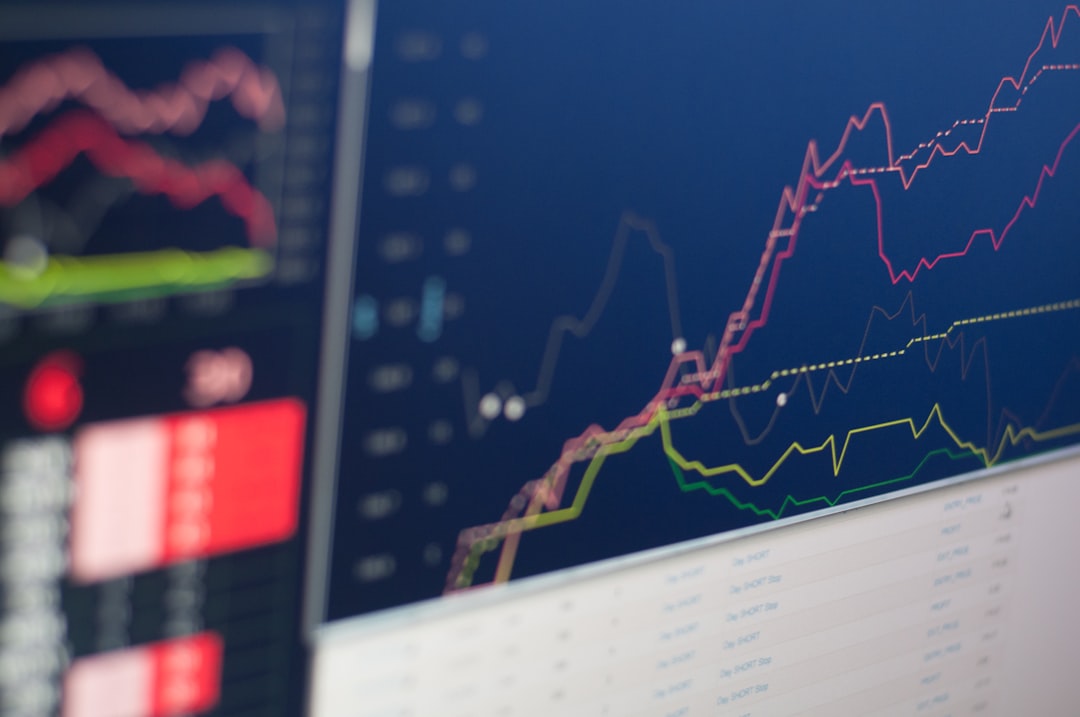
1. Identify a trend (use moving averages or market structure).
2. Mark key order blocks in the direction of the trend.
3. Look for a Fair Value Gap that aligns with the order block.
4. Wait for price to retrace into the FVG and order block zone.
5. Enter on confirmation (e.g., a bullish engulfing candle or a wick rejection).
Example Setup (Bullish)
- Price is in an uptrend.
- You spot a bullish order block on the 4H chart.
- Price pulls back and creates a fair value gap just above that block.
- You enter a long position when price touches the FVG and shows a reversal candle.
Risk Management
- Stop-loss: Place it just below the order block (for longs) or above (for shorts). A break of the order block signals institutional exit.
- Take-profit: Target the next significant resistance (for longs) or support (for shorts), or use a 1:2 risk-to-reward ratio.
- Position size: Never risk more than 1-2% of your account on a single trade.
Remember: Not every order block or FVG will work. Wait for confluence—multiple timeframes, trend direction, and volume confirmation.
Final Thoughts
Order blocks and fair value gaps give you a peek into where the “smart money” is active. They turn chaotic price action into a structured map of institutional footprints. Start by marking them on your charts, practice on historical data, and you’ll soon see the market with new eyes.
Trade smart, stay disciplined, and let the market come to you.
Bitcoin Layer 2s: Stacks, Lightning, and Runes Guide – Scaling Bitcoin for DeFi and Payments
Introduction
Bitcoin, the world’s first and most secure cryptocurrency, has long faced scalability challenges. While its base layer is unmatched for security and decentralization, it processes only ~7 transactions per second (TPS) and lacks native smart contract functionality. Enter Bitcoin Layer 2s — protocols built on top of Bitcoin that extend its capabilities without compromising its core principles. This guide explores three key Layer 2 solutions: Stacks (for smart contracts and DeFi), Lightning Network (for instant, low-cost payments), and Runes (a new protocol for fungible token issuance). Whether you’re a developer, investor, or enthusiast, understanding these layers is essential for navigating the next wave of Bitcoin innovation.
Key Concepts
1. Stacks (STX) – Smart Contracts for Bitcoin
Stacks is a Layer 1 blockchain that connects to Bitcoin via a novel consensus mechanism called Proof of Transfer (PoX). It enables smart contracts and decentralized applications (dApps) while inheriting Bitcoin’s security. Stacks uses its native token, STX, for fees and stacking (a process to earn Bitcoin rewards). Key features include:
- Clarity Smart Contracts: A predictable, decidable language that prevents common vulnerabilities.
- Bitcoin-Backed Assets: sBTC, a trust-minimized Bitcoin peg, allows BTC to be used in DeFi apps on Stacks.
- Nakamoto Upgrade: Faster block times (5 seconds) and improved finality, making Stacks more competitive with other smart contract platforms.
2. Lightning Network – Instant, Low-Cost Payments
The Lightning Network is a second-layer payment protocol that enables off-chain transactions between participants. By creating payment channels, users can transact instantly with negligible fees, making Bitcoin viable for everyday purchases. Key aspects:
- Payment Channels: Two parties lock funds in a multi-signature address and update balances off-chain.
- Routing: Payments can be routed through multiple channels, allowing any two users to transact without a direct channel.
- Wumbo Channels: Larger channel capacities (up to 10 BTC) for high-volume use cases.
- Taproot Integration: Enhances privacy and efficiency by making Lightning transactions indistinguishable from regular Bitcoin transactions.
3. Runes – Fungible Token Protocol on Bitcoin
Runes is a protocol introduced by Casey Rodarmor (creator of Ordinals) that allows users to issue fungible tokens directly on the Bitcoin blockchain. Unlike BRC-20 tokens (which rely on Ordinals inscriptions), Runes uses a more efficient UTXO-based model, reducing blockchain bloat. Key features:
- Efficient Minting: Tokens are created via a simple OP_RETURN output, minimizing data footprint.
- Composability: Runes can be traded, swapped, and used in DeFi applications built on Layer 2s like Stacks.
- Halving Alignment: The protocol launched around the 2024 Bitcoin halving, capitalizing on renewed interest in Bitcoin-native assets.
Pro Tips
- Start with Lightning for payments: If your goal is fast, cheap transactions, install a Lightning wallet like Phoenix or Breez. Use it for everyday purchases or tipping.
- Explore Stacks for DeFi: Stack STX to earn Bitcoin rewards, or use sBTC to participate in lending, borrowing, and yield farming on Stacks dApps like Alex Lab or Arkadiko.
- Runes for token experiments: If you’re interested in Bitcoin-native tokens, mint Runes via platforms like Unisat or Magic Eden. Be mindful of network fees during high congestion.
- Diversify across layers: Each Layer 2 serves a different purpose. Use Lightning for payments, Stacks for smart contracts, and Runes for token issuance — don’t rely on one solution for everything.
- Stay updated on upgrades: Bitcoin’s ecosystem evolves rapidly. Follow Stacks’ Nakamoto upgrade, Lightning’s Taproot adoption, and Runes’ growing ecosystem for new opportunities.
💡 Pro Tip
Looking for altcoin opportunities and smooth trading? Try KuCoin.
FAQ Section
Q1: What is the difference between Stacks and Lightning Network?
A: Stacks is a smart contract platform that enables DeFi and dApps on Bitcoin, while Lightning Network is a payment channel network for instant, low-cost transactions. Stacks focuses on programmability; Lightning focuses on scalability for payments.
Q2: Are Runes tokens the same as BRC-20 tokens?
A: No. Runes uses a more efficient UTXO-based model, while BRC-20 relies on Ordinals inscriptions, which can bloat the blockchain. Runes is designed to be lighter and more scalable for fungible tokens.
Q3: Can I use Bitcoin directly on Stacks?
A: Yes, via sBTC — a trust-minimized Bitcoin peg that allows you to use BTC in Stacks DeFi apps. You lock BTC on the Bitcoin chain and mint sBTC on Stacks.
Q4: Is Lightning Network safe for large transactions?
A: Yes, but you need to manage channel liquidity and watch for routing failures. For large amounts, consider using Wumbo channels or multi-path payments. Always use reputable wallet software.
Q5: How do I get started with Runes?
A: Use a compatible wallet like Unisat or Xverse, then mint Runes via a marketplace or direct inscription tool. Ensure you have enough BTC for transaction fees.
Conclusion
Bitcoin Layer 2s are unlocking new possibilities for the world’s most secure blockchain. Stacks brings smart contracts and DeFi, Lightning Network enables instant payments, and Runes introduces efficient token issuance. Together, they form a robust ecosystem that scales Bitcoin without sacrificing its core values. As adoption grows, these layers will likely become integral to how we use Bitcoin — for everything from daily coffee purchases to complex financial applications. For more details on this, check out our guide on Hedera Executives Call for Hybrid Governance as Crypto and TradFi Converge. You might also be interested in reading about JPMorgan Downplays $6.6 Trillion Stablecoin Threat Raised by Community Banks.
What Is Firedancer? A Beginner’s Guide to Solana’s New Validator Client
Solana has experienced its share of growing pains—from network outages to congestion during memecoin mania. But what if the same technology that powers high-frequency trading on Wall Street could make Solana faster and more reliable? That’s exactly what Jump Crypto’s Firedancer aims to do.
In a recent interview with CoinDesk, Firedancer founding engineer Ritchie Patel revealed that the new software is now quietly producing blocks on Solana’s mainnet, having already processed “tens of millions of transactions.” However, the rollout is deliberately slow—Patel warned that rushing adoption before full security audits would be “reckless.”
For crypto users, this matters because Solana’s success depends on more than just speed. It needs resilience, client diversity, and infrastructure built for institutional-grade trading. This guide explains what Firedancer is, how it works, and why its cautious approach could reshape Solana’s future.
Read time: 10-12 minutes
Understanding Validator Clients for Beginners
A validator client is the software that runs a blockchain node—think of it as the engine that powers a car. Different validator clients can run the same blockchain, just like different web browsers (Chrome, Firefox, Safari) can access the same websites.
Why does this matter? Historically, Solana relied on a single dominant client maintained by Anza, an infrastructure firm. If that client had a bug, the entire network could go down—and it did, repeatedly, during 2022’s congestion crises.
Firedancer aims to solve this problem by providing a second, independent version of the software. It’s built from scratch using principles from traditional high-frequency trading (HFT) systems. Patel described it as being “written like an actual trading engine in the TradFi system.”
The core idea is simple: multiple validator clients create redundancy and competition. If one client fails, the network keeps running. It’s like having two backup generators instead of one.
The Technical Details: How Firedancer Actually Works
Firedancer’s architecture borrows heavily from Wall Street’s HFT systems. Here’s how it differs from Solana’s original client:
1. Performance-Optimized Code: Firedancer is written in C and Rust, prioritizing raw speed and low latency
2. Parallel Processing: It handles transactions more efficiently by minimizing bottlenecks
3. Security-First Design: The team completed a $1 million public security audit competition to find vulnerabilities
4. Conservative Rollout: Rather than a big launch, Firedancer is being phased in gradually across the network
How they interact: The original Solana client (Agave) processes transactions one way; Firedancer processes them another. Both produce valid blocks, and validators can choose which client to run. This diversity means the network isn’t dependent on any single piece of code.
Why this matters for you: If you’re staking SOL or using Solana-based apps, client diversity reduces the risk of network-wide failures. It also opens the door for faster upgrades and better performance over time.
Current Market Context: Why This Matters Now
As of mid-2026, Solana has largely recovered from its infamous outages. The network now handles billions of dollars in daily volume, including institutional trading activity and DeFi applications.
The Firedancer rollout is part of a broader trend:
- Network reliability: After experiencing multiple network halts in 2022-2023, Solana developers prioritized redundancy
- Institutional adoption: Major trading firms and financial institutions require robust infrastructure
- Market cap impact: Solana’s market cap has stabilized, but its ability to handle high-throughput applications remains a competitive advantage
Patel noted that Firedancer has shifted Solana engineering from a reactive posture to one where developers can scale new use cases confidently. “I remember when there were memecoin and NFT launches, we were frantically watching all the performance dashboards,” Patel said. “But now it’s like, ‘Oh yeah, yet another big launch, it’s fine.'”
Competitive Landscape: How Firedancer Compares
| Feature | Firedancer (Jump Crypto) | Agave (Anza) | Other Blockchain Clients |
|---|---|---|---|
| Developer | Jump Crypto (trading firm) | Anza (Solana infrastructure) | Various |
| Focus | HFT-inspired performance | General-purpose reliability | Varies by blockchain |
| Status | Gradual mainnet rollout | Dominant client | N/A for Solana |
| Security Audits | $1M bug bounty completed | Standard development | Varies |
| Institutional Appeal | High (TradFi architecture) | Medium | Varies |
Why this matters: Firedancer isn’t competing with Agave—they’re co