

Trading Breakouts vs Fakeouts: How to Spot the Difference and Avoid the Trap
You see a clean resistance level. Price touches it once, twice, then smashes through it like a wrecking ball. Your heart races. You buy in. And then… the price reverses instantly, dropping below the breakout level and leaving you with a nasty loss.
Welcome to the world of the fakeout — one of the most common and costly traps in trading. But here’s the good news: with the right approach, you can learn to tell the difference between a genuine breakout and a deceptive fakeout. Let’s break it down.
How It Works
A breakout occurs when price moves decisively above a resistance level or below a support level, often accompanied by strong volume and momentum. It signals that the market has absorbed all selling (or buying) pressure at that level and is ready to trend in the new direction.
Looking for altcoin opportunities and smooth trading? Try KuCoin.
A fakeout, on the other hand, is a false breakout. Price briefly pierces a key level but then quickly reverses back inside the range. Fakeouts often trap traders who enter too early, only to see the market whip back against their position.

The Setup
To trade breakouts effectively while avoiding fakeouts, focus on three key elements:
1. Volume Confirmation
A genuine breakout should be backed by a spike in volume. If price breaks above resistance but volume is flat or declining, treat it with suspicion. High volume tells you that big players are committed to the move.
2. The Retest
Instead of entering the moment price touches the level, wait for a retest. After the initial breakout, price often pulls back to the level (which now acts as support or resistance). A successful retest that holds confirms the breakout is real.
3. Candle Pattern
Look for strong, full-bodied candles on the breakout. A long green candle closing well above resistance is more reliable than a small, wick-heavy candle that barely breaks through.
Risk Management
Even with the best setup, no breakout is guaranteed. Here’s how to protect yourself:
- Place your stop just below the breakout level (or above it for short trades). If it’s a fakeout, you want to be out quickly with a small loss.
- Use a 2:1 reward-to-risk ratio minimum. This means your target should be at least twice as far as your stop loss.
- Never add to a losing position. If the trade goes against you, accept it and move on.
- Size your position appropriately. Risk no more than 1-2% of your account on any single trade.
Conclusion
Breakouts offer some of the most explosive profit opportunities in trading, but only if you can separate them from fakeouts. By waiting for volume confirmation, a retest, and a strong candle pattern — and by keeping your risk tight — you can tilt the odds in your favor.
Remember: patience is your edge. The market will always give you another chance. Trade smart, stay disciplined, and let the real breakouts come to you.
DePIN Explained: Earning Passive Income with Infrastructure – The Ultimate Guide
Introduction
DePIN (Decentralized Physical Infrastructure Networks) is one of the most exciting trends in crypto, allowing anyone to earn passive income by contributing real-world resources like bandwidth, storage, computing power, or even wireless coverage. Instead of relying on centralized giants, DePIN networks reward individuals for building and maintaining shared infrastructure. This guide explains how DePIN works, key concepts, pro tips, and how you can start earning today.
Key Concepts
- Decentralized Physical Infrastructure: Networks that use token incentives to crowdsource physical hardware (e.g., routers, sensors, GPUs) from users worldwide.
- Token Rewards: Contributors earn native tokens for providing verifiable services, such as data storage or network coverage.
- Proof of Contribution: Smart contracts and oracles verify that your hardware is online and performing as expected before issuing rewards.
- Passive Income Model: Once your device is set up, it can generate ongoing income with minimal maintenance.
- Examples: Helium (wireless hotspots), Filecoin (storage), Render Network (GPU rendering), and Hivemapper (mapping).
Pro Tips
- Start Small: Choose a project with low hardware costs (e.g., a Helium hotspot or a simple storage node) to test the waters.
- Check Tokenomics: Understand inflation rates, reward halving schedules, and token utility before committing.
- Location Matters: For wireless networks, your device’s location directly impacts earnings. Use coverage maps to find underserved areas.
- Secure Your Setup: Use a dedicated wallet, enable two-factor authentication, and keep firmware updated.
- Diversify: Don’t put all your hardware into one network. Spread across different DePIN projects to reduce risk.
FAQ Section
What is DePIN in simple terms?
DePIN stands for Decentralized Physical Infrastructure Networks. It’s a way for people to earn crypto by sharing real-world resources like internet bandwidth, storage space, or computing power.
How much can I earn with DePIN?
Earnings vary widely by project, hardware cost, location, and network demand. Some users earn $50–$500 per month, but it’s important to research current reward rates.
Do I need technical skills to participate?
Most DePIN projects are designed to be user-friendly. Basic setup usually involves plugging in a device and following a mobile app or web dashboard.
Is DePIN safe and legitimate?
Many DePIN projects are backed by reputable teams and venture capital. However, always do your own research, avoid scams, and never share private keys.
What hardware do I need?
It depends on the network. Common examples include Helium hotspots, Filecoin storage miners, or even a simple Raspberry Pi for some projects.
Conclusion
DePIN is reshaping how infrastructure is built and owned, turning everyday users into micro-entrepreneurs. By contributing hardware to decentralized networks, you can earn passive income while supporting a more open and resilient internet. Start with a small investment, follow best practices, and scale up as you gain experience. For more details on this, check out our guide on Ethereum Foundation ETH Sales Explained: What a $23 Million OTC Deal Means for Investors. You might also be interested in reading about The Base Chain Ecosystem Rotation: How to Surf the Waves of Layer-2 Tokens.
Private Credit on Blockchain: Earning High Yields
Private credit—loans to businesses or individuals outside traditional banking—has long been an exclusive, illiquid asset class reserved for institutional investors. Tokenization on blockchain is changing that, offering retail investors access to high-yield opportunities with greater transparency and liquidity. This guide explains how private credit works on-chain, the risks and rewards, and how you can participate.
What Is Private Credit on Blockchain?
Private credit refers to debt financing provided by non-bank lenders. On blockchain, these loans are tokenized: each token represents a fractional ownership in a loan pool or a specific credit facility. The key difference between off-chain and on-chain private credit is efficiency. Off-chain, loans are manually originated, serviced, and settled, often taking weeks. On-chain, smart contracts automate interest payments, collateral management, and maturity events, reducing costs and settlement times.
How It Works: The Technical Process
The tokenization of private credit follows a structured pipeline:
- Origination & SPV Formation: A lender (e.g., a fintech or asset manager) creates a Special Purpose Vehicle (SPV) to hold the loan assets. The SPV isolates risk and ensures legal ownership.
- Tokenization: The SPV issues digital tokens on a blockchain (often Ethereum or a permissioned chain) representing claims on the loan pool. Each token entitles the holder to a pro-rata share of interest and principal.
- Oracle Integration: Oracles feed real-world data—such as interest rates, credit events, or collateral values—onto the blockchain to trigger smart contract actions.
- Secondary Market: Tokens trade on decentralized exchanges (DEXs) or specialized platforms, providing 24/7 liquidity that traditional private credit lacks.
This process bridges TradFi and DeFi, enabling fractional ownership and automated compliance.
Investment Analysis: Pros, Cons, and Risks
Private credit on blockchain offers compelling yields—often 8–15% APY—but carries distinct risks.
Pros
- High Yields: On-chain private credit yields typically exceed those of public bonds or savings accounts, compensating for illiquidity and credit risk.
- Fractional Access: Minimum investments can be as low as $10, democratizing access to institutional-grade credit.
- Transparency: All loan terms, collateral, and payment histories are recorded on-chain, auditable by anyone.
- Automation: Smart contracts enforce repayments, reducing the need for intermediaries.
Cons & Risks
- Regulatory Uncertainty: Tokenized credit may fall under securities laws in many jurisdictions. Regulatory changes could impact platform operations or token liquidity.
- Smart Contract Risk: Bugs or exploits in the underlying code can lead to loss of funds. Audits mitigate but do not eliminate this risk.
- Credit Risk: Borrowers may default. Unlike traditional banks, on-chain lenders often lack deposit insurance or recourse mechanisms.
- Liquidity Risk: Secondary markets for private credit tokens can be thin, especially during market stress, making it hard to exit positions.
For a broader market view, check out our analysis on Bitcoin Layer 2s: Stacks, Lightning, and Runes Guide – Unlocking BTC’s Next Frontier.
Investors often compare this to Evil Twin WiFi Attacks Explained: A Complete Guide to Crypto Security.
Tool Recommendation: Getting Started
To explore private credit tokenization safely, start with a regulated, user-friendly platform. Binance offers a range of tokenized asset products, including private credit pools, with robust security and liquidity. You can practice this setup safely on Binance. Sign up here to begin.
FAQ
Q: What is the minimum investment for on-chain private credit?
A: Minimums vary by platform but often start at $10–$100, making it accessible to retail investors. Always check the platform’s terms.
Q: How are on-chain private credit loans secured?
A: Loans are typically over-collateralized with digital assets (e.g., ETH, USDC) or real-world collateral (e.g., invoices, real estate) held by the SPV. Collateral ratios are enforced by smart contracts.
Q: Are on-chain private credit yields taxable?
A: Yes. In most jurisdictions, interest earned from tokenized loans is taxable as income or capital gains. Consult a tax professional for your specific situation.
Conclusion
Private credit on blockchain is a high-yield, high-risk evolution of traditional lending. It offers retail investors unprecedented access to an asset class once reserved for institutions, with automation and transparency as key advantages. However, regulatory and smart contract risks demand caution. For those willing to do due diligence, on-chain private credit can be a powerful portfolio diversifier. Start small, use regulated platforms, and stay informed.
OKX Lists OpenAI, SpaceX Perpetual Futures in Pre-IPO Push
May 6, 2026 — OKX announced plans to launch perpetual futures tied to private companies including OpenAI, SpaceX, and Anthropic, offering synthetic price exposure ahead of potential IPOs without granting equity ownership or shareholder rights. The move intensifies a growing race among crypto exchanges to bring pre-IPO speculation markets on-chain, joining competitors Bitget and Injective in expanding beyond traditional cryptocurrency trading.
Immediate Details & Direct Quotes
Looking for altcoin opportunities and smooth trading? Try KuCoin.
OKX confirmed the development Wednesday in a blog post, stating the contracts will provide synthetic price exposure to private companies ahead of their anticipated public listings. The products do not confer actual equity ownership or shareholder rights.
“The contracts will provide synthetic price exposure to private companies ahead of their anticipated public listings,” the company stated in its announcement.
The exchange joins a broader push by crypto platforms to enable retail traders to speculate on Silicon Valley’s most valuable private firms. Bitget entered the sector in April with “IPO Prime,” listing a Solana-based SpaceX-linked token issued through investment platform Republic. Injective rolled out pre-IPO perpetual futures tied to firms including OpenAI, Anthropic, SpaceX, and Perplexity last year, describing the products as a way to bring the $13 trillion private equity market “directly on-chain.”
Market Context & Reaction
As of May 6, 2026, the perpetual futures market represents a significant expansion for crypto exchanges seeking new sources of trading activity beyond bitcoin (BTC) and ether (ETH). The trend reflects how exchanges are increasingly moving into equities, prediction markets, and real-world assets.
Robinhood attempted a similar approach last year but took a different route. The fintech platform offered OpenAI-linked tokens backed by a special purpose vehicle that held equity purchased on the secondary market, rather than direct equity ownership. OpenAI publicly distanced itself from the product at the time, warning that any transfer of actual company equity would require its approval.
The market for pre-IPO exposure through crypto instruments has grown as retail traders seek alternative ways to gain exposure to private companies commanding massive valuations ahead of their expected public listings.
Background & Historical Context
The perpetual futures market has evolved significantly from its origins in bitcoin and ether trading. Crypto derivatives have increasingly converged with traditional Wall Street products, with exchanges competing to offer innovative financial instruments to retail traders.
Injective’s launch of pre-IPO perpetual futures last year marked an early attempt to bridge private equity speculation with decentralized finance. The platform described its products as bringing “the $13 trillion private equity market directly on-chain,” highlighting the massive addressable market for such instruments.
The introduction of perpetual futures for private companies represents a notable departure from traditional pre-IPO investing, which typically requires accredited investor status and significant capital commitments. Synthetic exposure through crypto derivatives allows retail traders to speculate on price movements without the barriers associated with direct private equity investment.
However, the lack of equity ownership and shareholder rights means these products carry distinct risks compared to traditional private equity investments.
What This Means
In the short term, OKX’s move signals increasing competition among crypto exchanges to capture trading volume through differentiated products. Retail traders may gain new avenues for speculation on high-profile private companies, but should understand these products do not convey ownership stakes or shareholder protections.
Longer term, the trend could accelerate as exchanges seek to expand their addressable markets beyond cryptocurrencies. The convergence of traditional finance and crypto derivatives may create new regulatory challenges, particularly around how synthetic exposure to private companies should be classified and supervised.
Traders should conduct their own research before engaging with these products, as the risks differ significantly from both traditional crypto trading and direct equity investment. Market reaction details and specific launch dates were not immediately available from OKX.

The Golden Cross: Your Simple Signal for Major Market Moves
Imagine having a radar that alerts you when a market is about to shift from a downtrend to a strong uptrend. That’s essentially what the Moving Average Golden Cross does. It’s one of the most classic and reliable signals in technical analysis, and once you understand it, you’ll start seeing it everywhere on price charts.
How it Works
The Golden Cross is a bullish signal that occurs when a shorter-term moving average crosses above a longer-term moving average. The most common pair used by traders is the 50-period moving average (short-term) and the 200-period moving average (long-term).
- 50-MA represents the average price over the last 50 periods (often days on a daily chart).
- 200-MA represents the average price over the last 200 periods, acting as a major support/resistance level and indicator of the long-term trend.
When the 50-MA rises from below the 200-MA to above it, it signals that recent momentum is overpowering the longer-term trend. The market is telling you: “The bulls are taking control.”
Looking for altcoin opportunities and smooth trading? Try KuCoin.
The Setup
To trade the Golden Cross effectively, you don’t just buy the second the lines cross. You want confirmation. Here’s a step-by-step setup:
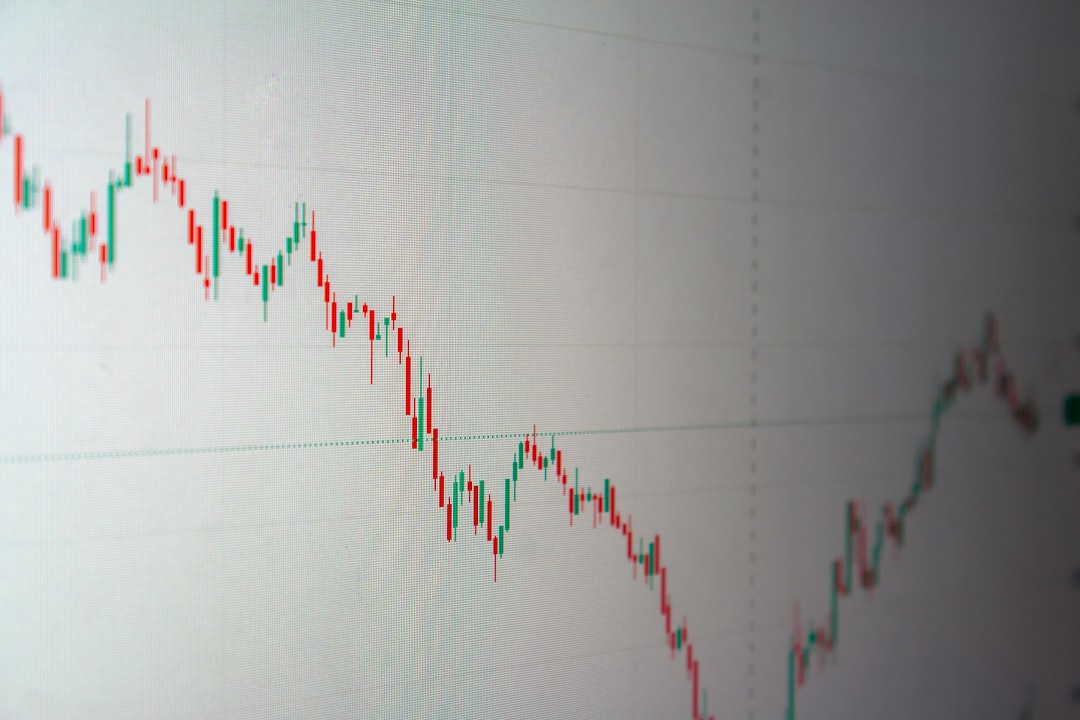
1. Identify the Cross: Look for the 50-MA to cross above the 200-MA on the daily (or 4-hour) chart.
2. Check Volume: Ideally, the cross is accompanied by rising trading volume. This shows genuine interest, not a fakeout.
3. Wait for a Retest (Optional but Recommended): Often after the cross, price pulls back to touch the now-rising 50-MA or 200-MA. This is a safer entry point.
4. Enter the Trade: Buy when the retest holds and price bounces back up, or enter on the breakout if volume is strong.
Pro Tip: Don’t use the Golden Cross on very short timeframes (like 1-minute charts) — it generates too many false signals. Stick to daily or 4-hour charts for more reliable results.
Risk Management
No signal is perfect. Even the Golden Cross can fail, especially in choppy, sideways markets. Protect your capital with these rules:
- Stop Loss: Place your stop loss below the most recent swing low or below the 200-MA (whichever is lower). If price breaks back below the 200-MA, the trend is failing.
- Position Size: Never risk more than 1-2% of your account on a single trade. The Golden Cross is strong, but crypto and stocks can be volatile.
- Take Profit: Aim for a risk-to-reward ratio of at least 1:2. For example, if your stop loss is 5% below entry, target at least 10% above. You can also trail your stop as price moves up.
Conclusion
The Golden Cross is a time-tested strategy that helps you catch major uptrends early. It’s simple, visual, and works across stocks, crypto, and forex. Remember: it’s not a magic bullet — combine it with volume analysis and proper risk management. Start by spotting one on a daily chart today, and you’ll gain confidence in recognizing these powerful trend shifts.
Real World Assets (RWA): How Tokenization Changes Investing
Real World Assets (RWA) tokenization is transforming traditional investing by bringing physical and financial assets onto blockchain networks. This guide explains how tokenization works, its benefits, and practical tips for getting started.
Key Concepts
What are Real World Assets? RWAs are tangible or intangible assets from the physical world—such as real estate, commodities, bonds, invoices, or art—that are represented as digital tokens on a blockchain. Each token corresponds to a fractional ownership stake in the underlying asset.
How Tokenization Works The process involves three steps: 1) An asset is legally structured (e.g., via a Special Purpose Vehicle), 2) Its value is divided into digital tokens, and 3) These tokens are issued on a blockchain (commonly Ethereum, Polygon, or Solana). Smart contracts govern ownership, transfers, and compliance.
Key Benefits Tokenization unlocks liquidity for traditionally illiquid assets, lowers minimum investment thresholds, enables 24/7 global trading, reduces intermediaries, and increases transparency through immutable records.
Pro Tips
- Verify Legal Wrappers: Always check if the token is backed by a legally enforceable structure. Look for audited SPVs or regulated issuers.
- Assess Liquidity Pools: Not all tokenized assets have deep secondary markets. Prioritize projects with active DEX or CEX listings.
- Understand Compliance: Many RWA tokens are subject to securities laws. Ensure the platform enforces KYC/AML and jurisdiction restrictions.
- Diversify Across Asset Types: Combine tokenized real estate, treasuries, and commodities to balance risk and yield.
💡 Pro Tip
Looking for altcoin opportunities and smooth trading? Try KuCoin.
FAQ Section
What types of assets can be tokenized?
Almost any asset with clear ownership and valuation can be tokenized, including real estate, government bonds, private equity, invoices, carbon credits, commodities (gold, oil), and intellectual property.
Is RWA tokenization legal?
Yes, but it depends on jurisdiction. Most regulated RWA projects comply with securities laws (e.g., SEC Regulation D or S in the US). Always verify the legal framework of each token.
How do I buy tokenized RWAs?
You can purchase them on specialized platforms (e.g., Ondo Finance, Centrifuge, RealT) or decentralized exchanges. Most require a wallet (MetaMask) and KYC verification.
What are the risks?
Key risks include smart contract bugs, regulatory changes, illiquidity of secondary markets, and reliance on off-chain oracles for asset valuation.
Conclusion
Tokenization of Real World Assets is reshaping investing by merging the stability of traditional assets with the efficiency of blockchain. As the ecosystem matures, RWAs will likely become a core component of diversified crypto portfolios. For more details on this, check out our guide on VWAP Day Trading: The Smart Money’s Favorite Tool (Made Simple). You might also be interested in reading about The Rise of AI Agents in Crypto: A Complete Guide.
Strategy’s Bitcoin Sale Plan: What It Means for Dividends Explained
Did you know that the world’s largest publicly traded corporate holder of bitcoin is considering selling some of its coins to pay its shareholders? Strategy (formerly MicroStrategy) just reported a massive $12.54 billion net loss for the first quarter of 2026, and Executive Chairman Michael Saylor has suggested that selling a small portion of its enormous bitcoin stash might be the solution to cover dividend obligations. With over 818,000 bitcoin on its balance sheet—worth roughly $66 billion at current prices—this news sent both Strategy’s stock and bitcoin prices falling. For crypto investors and Strategy shareholders, understanding this decision is crucial because it reveals how companies are navigating the tension between holding bitcoin long-term and meeting short-term financial commitments. This guide breaks down Strategy’s bitcoin dividend strategy, explains the risks involved, and helps you understand what this means for the broader market.
Read time: 10-12 minutes
Understanding Corporate Bitcoin Holdings for Beginners
Corporate bitcoin holdings refer to companies that purchase and hold bitcoin as part of their treasury strategy, treating it like cash or a long-term investment asset. Think of it like a company deciding to buy gold bars instead of keeping all its money in a bank account—except bitcoin is digital, volatile, and still relatively new as a corporate asset.
Why do companies do this? The core idea is that bitcoin’s potential for appreciation could outperform traditional cash reserves, especially during inflationary periods. Strategy pioneered this approach, starting in 2020 when it began converting its cash reserves into bitcoin. The company has since become the world’s largest corporate bitcoin holder, with 818,334 bitcoin acquired at an average price of $75,537 per coin.
A real-world example of how this works: Imagine you own a small business and instead of keeping $1 million in a savings account earning 1% interest, you buy bitcoin. If bitcoin’s price rises, your company’s treasury grows. But if it falls, you could face losses—exactly what happened to Strategy when bitcoin dropped below its average purchase price, contributing to that massive $12.54 billion quarterly loss.
The Technical Details: How Strategy’s Bitcoin Dividend Strategy Works
Strategy’s approach to funding dividends through bitcoin sales involves several key components:
1. Borrowing against bitcoin holdings: Strategy uses its bitcoin as collateral to raise cash through debt issuance, including convertible bonds and preferred stock
2. Letting bitcoin appreciate in value: The hope is that bitcoin’s price rises over time, increasing the value of the company’s holdings beyond what it borrowed
3. Selectively selling bitcoin: When cash is needed for dividends or interest payments, the company sells a portion of its bitcoin holdings
4. Repeating the cycle: The company can take out new debt, buy more bitcoin, and continue the process
Here’s how these components interact: Strategy borrows money at low interest rates by issuing convertible bonds or preferred stock. It uses that cash to buy bitcoin. If bitcoin’s price rises sufficiently, the company can sell a small portion to cover its dividend and interest payments. If bitcoin’s price falls, however, the company faces a cash crunch—it must either sell more bitcoin at a loss or find other funding sources.
Why this structure matters for you: Understanding this “leverage cycle” helps you evaluate the risk in companies like Strategy. If bitcoin prices continue falling, the company may need to sell more coins to meet obligations, potentially putting downward pressure on bitcoin’s price and affecting all holders.
Current Market Context: Why This Matters Now
As of early May 2026, Strategy’s announcement comes at a critical time for the crypto market. Bitcoin has been trading below $81,000—significantly below its all-time high of over $108,000 reached in late 2024. The company’s average purchase price of $75,537 means its entire bitcoin position is only slightly above water, with a massive paper loss reported for the quarter.
The market impact was immediate: Strategy’s stock fell more than 4% in after-hours trading following the earnings call, and bitcoin slipped below $81,000 as traders reacted to the news. This decline reflects investor concern that selling bitcoin could create selling pressure on the market, potentially driving prices lower.
Why timing matters: Strategy has approximately 18 months of dividend coverage based on its current cash reserves against $1.5 billion in annual obligations. This buffer gives the company time, but if bitcoin prices remain low or fall further, the pressure to sell will intensify. The company’s next major dividend payment deadlines will be closely watched by the market.
Competitive Landscape: How Strategy Compares
| Feature | Strategy (MSTR) | Coinbase | Block (formerly Square) |
|---|---|---|---|
| Primary Business | Bitcoin treasury company + software | Cryptocurrency exchange | Payments + bitcoin treasury |
| Bitcoin Holdings | 818,334 BTC (~$66B) | ~9,000 BTC (~$720M) | ~8,027 BTC (~$650M) |
| Funding Strategy | Debt issuance + preferred stock | Operating revenue | Operating revenue |
| Dividend Obligations | ~$1.5B/year (preferred stock + debt interest) | None (growth-focused) | None (reinvestment) |
| Key Risk | Bitcoin price decline forces asset sales | Regulatory exposure | Payment business volatility |
Why this matters: Strategy stands alone in its aggressive use of leverage to acquire bitcoin. While other companies like Block and Coinbase hold bitcoin as part of their treasury, none have tied their dividend obligations directly to bitcoin price performance. For investors, this means Strategy is a higher-risk, higher-reward play on bitcoin’s price appreciation.
Practical Applications: Real-World Use Cases
Understanding Strategy’s bitcoin dividend strategy helps in several practical scenarios:
- Evaluating investment risk: If you’re considering buying MSTR stock, knowing the company’s reliance on bitcoin price appreciation helps you assess whether the risk fits your portfolio. If bitcoin falls below $75,000, the company may face a dividend crisis
- Understanding corporate crypto adoption: Watching Strategy’s moves gives insight into how other companies might approach bitcoin treasury management. If this model works, expect imitators; if it fails, expect caution
- Timing market entries: The pressure on Strategy to sell bitcoin could create temporary price drops—potential buying opportunities for long-term holders who believe in bitcoin’s recovery
- Assessing institutional confidence: Strategy’s continued commitment to buying and holding bitcoin signals institutional conviction, even during market downturns
Risk Analysis: Expert Perspective
Primary Risks:
1. Bitcoin price decline risk: If bitcoin falls below Strategy’s average purchase price of $75,537, the company must sell more coins to meet dividend obligations, potentially accelerating losses
2. Leverage risk: The company has $1.5 billion in annual dividend and interest obligations. With 18 months of coverage, a prolonged bear market could force larger sales at unfavorable prices
3. Market impact risk: Large-scale bitcoin sales by Strategy could create selling pressure, pushing prices lower for all holders
4. Reputational risk: If Strategy must sell bitcoin at a loss, it could damage confidence in the “bitcoin treasury” model pioneered by Michael Saylor
Mitigation Strategies:
- Gradual sales: Saylor suggested selling “some bitcoin” to “inoculate the market,” implying small, planned sales rather than fire sales
- Diversified funding: The company can also issue new debt or equity to raise cash
- Dividend coverage buffer: 18 months of reserves provides time for bitcoin prices to recover
Expert Consensus: Most analysts view this as a manageable situation for now, but warn that a prolonged bear market below $70,000 could create serious problems. Saylor’s suggestion that selling bitcoin for dividends is a “message” to the market suggests confidence in the model, but the 4% stock drop shows investors remain skeptical.
Future Outlook: What’s Next
Strategy’s roadmap for the coming months includes:
1. Potential small bitcoin sales: Saylor indicated the company “will probably sell some bitcoin” to pay dividends, likely in Q2 2026
2. Monitoring bitcoin price: The company’s next earnings report (Q2 2026) will reveal whether it executed sales and at what prices
3. Continued debt management: Strategy may issue new convertible bonds or preferred stock to refinance existing obligations
4. Regulatory developments: SEC guidance on corporate crypto holdings and dividend payments could impact Strategy’s approach
The key variable remains bitcoin’s price. If bitcoin recovers above $90,000, Strategy’s position becomes much more comfortable. If it falls below $70,000, the company faces tough choices. As of early May 2026, bitcoin trading near $81,000 puts Strategy in a delicate position—close to its average purchase price, with limited room for error.
Key Takeaways
- Strategy may sell a small portion of its bitcoin holdings to cover $1.5 billion in annual dividend obligations, following a $12.54 billion Q1 net loss
- The company holds 818,334 bitcoin at an average cost of $75,537, giving it a slim profit margin at current prices near $81,000
- Bitcoin price is the critical variable—a sustained drop below $75,000 could force larger asset sales and create market pressure
- The “bitcoin treasury” model faces its first real test with dividend obligations, offering lessons for other companies considering similar strategies
,
“datePublished”: “2026-05-06”,
“dateModified”: “2026-05-06”,
“mainEntity”: {
“@type”: “Thing”,
“name”: “Strategy bitcoin dividend strategy”
}
}
Using Etherscan: Tracking Whales and Verifying Transactions – A Complete Guide
Introduction
Etherscan is the leading blockchain explorer for Ethereum, providing transparency into every transaction, smart contract, and wallet address on the network. Whether you are a trader looking to follow whale movements or a developer verifying a transaction, Etherscan is an indispensable tool. This guide will walk you through the key concepts, pro tips, and how to use Etherscan to track whales and verify transactions effectively.
Key Concepts
- Transaction Hash (TxHash): A unique identifier for each transaction on the Ethereum blockchain. You can use it to look up details like sender, receiver, value, gas fees, and status.
- Wallet Address: A public key that identifies a user or contract. Etherscan allows you to view the balance, transaction history, and token holdings of any address.
- Whale Tracking: Whales are addresses holding large amounts of ETH or tokens. By monitoring their transactions, you can spot accumulation, distribution, or market-moving moves. Use Etherscan’s “Top Accounts” or “Token Holders” pages to identify whales.
- Transaction Verification: Verify that a transaction was confirmed on-chain by checking its block number, timestamp, and the number of confirmations. Etherscan also shows internal transactions and event logs.
- Gas Tracker: A tool on Etherscan that shows current gas prices (in Gwei) for different transaction speeds (Slow, Average, Fast). Useful for estimating fees before sending a transaction.
Pro Tips
- Set up alerts: Use Etherscan’s “Watch List” feature to monitor specific addresses and receive email notifications when they make a transaction. This is perfect for tracking whale activity in real time.
- Use the Token Transfer tab: When viewing a whale address, click on the “Token Transfers” tab to see only ERC-20 token movements, filtering out ETH transfers for cleaner analysis.
- Check the Internal Transactions tab: Some complex transactions (e.g., DeFi swaps) involve internal transfers. Always check this tab to see the full flow of funds.
- Verify contract source code: Before interacting with a smart contract, use Etherscan’s “Contract” tab to see if the source code is verified. Unverified contracts carry higher risk.
- Use the Advanced Filter: On the main transaction page, use filters like date range, value (ETH), and token type to narrow down whale transactions quickly.
💡 Pro Tip
Looking for altcoin opportunities and smooth trading? Try KuCoin.
FAQ Section
Q: Is Etherscan free to use?
A: Yes, Etherscan is free for basic use. Advanced features like API access and alerts may require a paid plan.
Q: How can I track a whale without knowing their address?
A: You can use Etherscan’s “Top Accounts” page to see the largest ETH holders, or check token-specific pages like “Holders” for ERC-20 tokens. Many whales also have publicly known addresses shared on social media.
Q: Can I verify a transaction that is still pending?
A: Yes, you can see pending transactions on Etherscan. They will show a status of “Pending” until confirmed. You can also check the mempool for unconfirmed transactions.
Q: What does “Internal Transaction” mean?
A: Internal transactions are transfers that occur within a smart contract execution (e.g., when a DEX swaps tokens). They are not visible on the main transaction list but can be found under the “Internal Txns” tab of a transaction or address.
Q: How do I know if a transaction is legitimate?
A: Check the sender and receiver addresses, the transaction hash on Etherscan, and look for verified contract source code. Be wary of unknown addresses or unverified contracts.
Conclusion
Etherscan is a powerful tool for anyone involved in the Ethereum ecosystem. By mastering whale tracking and transaction verification, you can make more informed trading decisions, avoid scams, and stay ahead of market movements. Start exploring Etherscan today and combine it with other tools like KuCoin for a complete crypto experience.
For more details on this, check out our guide on The Rise of AI Agents in Crypto: A Complete Guide.
You might also be interested in reading about Strategy Pauses Bitcoin Purchases Amid STRC Dividend Criticism.
Identity on Chain: KYC and Compliance in DeFi
Real World Assets (RWAs)—such as real estate, bonds, commodities, and private credit—are increasingly being tokenized on blockchain networks. This process bridges the gap between Traditional Finance (TradFi) and Decentralized Finance (DeFi) by enabling fractional ownership, 24/7 liquidity, and transparent on-chain record-keeping. However, the off-chain nature of these assets introduces a critical challenge: how to verify the identity and eligibility of participants without sacrificing the permissionless ethos of DeFi. This guide explores the role of Know Your Customer (KYC) and compliance in RWA tokenization, providing a comprehensive analysis for institutional and retail investors alike.
Off-Chain vs. On-Chain: The Identity Gap
In TradFi, identity verification is centralized: banks and brokers collect personal data, run sanctions checks, and maintain private ledgers. In DeFi, transactions are pseudonymous—users interact via wallet addresses without revealing real-world identities. For RWAs, this creates a tension. Regulators require that tokenized assets comply with securities laws, anti-money laundering (AML) rules, and sanctions screening. The solution is a hybrid model: identity data remains off-chain (stored by trusted custodians or identity providers), while a cryptographic proof (a zero-knowledge proof or a verifiable credential) is anchored on-chain. This allows investors to prove they are KYC-compliant without exposing sensitive personal information to the public ledger.
How It Works: The Technical Process
The tokenization of an RWA with KYC compliance follows a structured pipeline:
- Asset Origination: The asset (e.g., a commercial real estate property) is legally transferred to a Special Purpose Vehicle (SPV) or trust. The SPV issues tokens representing fractional ownership.
- Investor Onboarding: An investor completes KYC/AML checks via a regulated intermediary (e.g., a transfer agent or a licensed exchange). Upon approval, the investor receives a non-transferable soulbound token (SBT) or a verifiable credential that attests to their compliance status.
- Oracle Integration: Oracles (e.g., Chainlink) feed the token price and compliance status to the blockchain. Smart contracts check the investor’s SBT before allowing minting, trading, or redemption of the RWA token.
- On-Chain Settlement: Once the compliance check passes, the smart contract mints the RWA token to the investor’s wallet. Secondary trading is restricted to wallets holding the valid SBT, ensuring only compliant participants can transact.
Reports from BlackRock and data from RWA.xyz show that this model is gaining traction, with over $15 billion in tokenized assets as of early 2025.
Investment Analysis: Pros, Cons, and Risks
Pros
- Fractional Ownership: Investors can buy small portions of high-value assets (e.g., $1,000 of a $10 million building).
- Liquidity: Tokenized assets can trade 24/7 on secondary markets, unlike traditional real estate or private credit.
- Transparency: On-chain records provide immutable proof of ownership and transaction history.
Cons and Risks
- Regulatory Uncertainty: Jurisdictions differ on whether RWA tokens are securities. The SEC’s stance on tokenized bonds remains fluid.
- Smart Contract Risk: Bugs in compliance oracles or token contracts can lead to loss of funds or unauthorized access.
- Privacy vs. Compliance: On-chain KYC proofs, even if zero-knowledge, may still leak metadata that could be used to de-anonymize users over time.
For a broader market view, check out our analysis on Solana’s Quantum Security Dilemma Explained: Speed vs. Safety. Investors often compare this to EU Crypto Firms Face July 1 Shutdown as MiCA Deadlines Already Passed.
Tool Recommendation
For those looking to explore tokenized RWAs with built-in compliance, Binance offers a secure and regulated environment. You can practice this setup safely on Binance. Create an account here to access tokenized real estate, bonds, and other RWA products with integrated KYC.
FAQ Section
Q: Do I need to complete KYC to buy tokenized RWAs?
A: Yes, most regulated platforms require KYC verification before you can purchase or trade RWA tokens. This ensures compliance with AML and securities laws.
Q: Can I remain anonymous while holding tokenized real estate?
A: No. Because RWAs are tied to legal ownership off-chain, issuers must know your identity. However, zero-knowledge proofs allow you to prove compliance without revealing all personal details on-chain.
Q: What happens if a compliance oracle fails?
A: A failure could temporarily halt minting or trading. Most protocols use multiple oracles and fallback mechanisms to mitigate this risk, but it remains a smart contract vulnerability.
Conclusion
Identity on chain is the linchpin of RWA adoption. Without robust KYC and compliance, tokenized assets cannot satisfy regulators or attract institutional capital. The hybrid off-chain/on-chain model—using verifiable credentials and soulbound tokens—offers a pragmatic path forward. While risks around regulation and smart contract security persist, the trend is clear: DeFi is evolving toward a compliant, identity-aware future. Investors should prioritize platforms that combine strong KYC processes with transparent on-chain governance.
How to Secure Your Crypto Wallet: A Step-by-Step Guide
Introduction
With the rise of cryptocurrency adoption, securing your digital assets has never been more critical. Crypto wallets are the gateway to your funds, but they are also prime targets for hackers, phishing attacks, and user errors. This comprehensive guide walks you through the essential steps to protect your crypto wallet, from choosing the right wallet type to implementing advanced security measures. Whether you’re a beginner or an experienced investor, these best practices will help you safeguard your portfolio against theft and loss.
Key Concepts
Understanding the fundamentals of crypto wallet security is the first line of defense. Here are the core concepts you need to know:
- Hot vs. Cold Wallets: Hot wallets (connected to the internet) are convenient for frequent transactions but more vulnerable to attacks. Cold wallets (offline hardware or paper wallets) offer superior security for long-term storage.
- Private Keys and Seed Phrases: Your private key is the ultimate control over your funds. A seed phrase (12–24 words) is a backup that can restore your wallet. Never share these with anyone.
- Two-Factor Authentication (2FA): Adds an extra layer of security by requiring a second verification step, such as a code from an authenticator app or hardware key.
- Phishing and Social Engineering: Attackers often trick users into revealing credentials via fake websites, emails, or messages. Always verify URLs and never click suspicious links.
- Smart Contract Risks: If you use DeFi or dApps, ensure the smart contracts are audited and reputable to avoid exploits.
Pro Tips
Elevate your security posture with these expert recommendations:
- Use a Hardware Wallet for Large Holdings: Devices like Ledger or Trezor store private keys offline, making them immune to online hacks.
- Enable Multi-Signature (Multi-Sig): Require multiple private keys to authorize a transaction, ideal for shared accounts or high-value wallets.
- Regularly Update Software: Keep your wallet app, browser extensions, and device firmware updated to patch known vulnerabilities.
- Backup Your Seed Phrase Offline: Write it down on paper and store it in a fireproof safe or safety deposit box. Never store it digitally.
- Beware of Clipboard Hijackers: Malware can replace copied wallet addresses. Always double-check the address before sending funds.
FAQ Section
What is the safest type of crypto wallet?
Hardware wallets (cold storage) are considered the safest for long-term holdings because they keep private keys offline. For daily use, a reputable hot wallet with strong security features (e.g., MetaMask with a hardware wallet integration) is acceptable.
Can I recover my wallet if I lose my seed phrase?
No. Your seed phrase is the only way to restore your wallet. Without it, you lose access to your funds permanently. Always back it up securely in multiple physical locations.
Should I use a custodial or non-custodial wallet?
Non-custodial wallets (where you control private keys) are recommended for security. Custodial wallets (e.g., exchange wallets) are convenient but expose you to counterparty risk if the platform is hacked or goes bankrupt.
How often should I update my wallet software?
As soon as updates are released. Developers frequently patch security vulnerabilities, so running outdated software increases your risk.
What should I do if I suspect my wallet is compromised?
Immediately transfer funds to a new wallet with a new seed phrase. Revoke any smart contract approvals using tools like Revoke.cash, and run a malware scan on your device.
Conclusion
Securing your crypto wallet is an ongoing process that requires vigilance and proactive measures. By combining cold storage, strong passwords, 2FA, and regular backups, you can dramatically reduce the risk of losing your digital assets. Remember: in the crypto world, you are your own bank—take full responsibility for your security. For more details on this, check out our guide on Ethereum Foundation ETH Sales Explained: What a $23 Million OTC Deal Means for Investors. You might also be interested in reading about Ethereum Foundation Sells $23M in ETH to BitMine in Third OTC Deal.