
How SPVs Protect RWA Investors: A Complete Guide
Real World Assets (RWAs) represent a transformative asset class that bridges traditional finance (TradFi) and decentralized finance (DeFi). These are tangible or intangible assets—such as real estate, corporate bonds, commodities, or trade credit—that are tokenized on a blockchain. The key innovation is fractional ownership: investors can buy small, liquid pieces of assets that were previously illiquid and accessible only to institutions. However, the ‘off-chain vs. on-chain’ divide creates a critical challenge: how do you ensure that the digital token truly represents a legal claim to the physical asset? This is where Special Purpose Vehicles (SPVs) become essential.
How SPVs Protect RWA Investors
An SPV is a legally separate entity created specifically to hold the underlying asset. In the RWA tokenization process, the SPV sits between the real-world asset and the blockchain. Here is the step-by-step technical process:
- Asset Origination: The asset (e.g., a commercial building) is legally transferred to an SPV. The SPV is bankruptcy-remote, meaning if the asset originator goes bankrupt, the asset remains protected.
- Tokenization: The SPV issues digital tokens on a blockchain (e.g., Ethereum or a permissioned chain) that represent fractional ownership in the SPV. Each token corresponds to a pro-rata share of the SPV’s value.
- Oracle Integration: Oracles (such as Chainlink) feed off-chain data—like property valuations, rental income, or bond yields—onto the blockchain. This ensures the token price reflects the real-world asset’s performance.
- Smart Contract Management: Smart contracts automate distributions (e.g., rental yields or coupon payments) directly to token holders. The SPV’s legal structure ensures that the smart contract’s actions are enforceable in court.
This structure protects investors because the SPV holds legal title to the asset. If the tokenization platform fails, the SPV remains intact, and investors retain their claim. Reports from BlackRock and data from RWA.xyz show that SPV-backed RWAs have significantly lower default rates than unsecured token offerings.
Investment Analysis: Pros, Cons, and Risks
Pros:
- Fractional ownership lowers the barrier to entry for high-value assets.
- 24/7 liquidity via secondary markets (e.g., decentralized exchanges).
- Transparency: all transactions and asset data are recorded on-chain.
Cons:
- Regulatory uncertainty: different jurisdictions treat SPVs and tokens differently.
- Smart contract risk: bugs in the code could lead to loss of funds.
- Oracle dependency: if the oracle provides incorrect data, token prices may be mispriced.
Risks:
- Regulation: The SEC and ESMA are actively defining rules for tokenized securities. Non-compliance can render tokens void.
- Counterparty risk: the SPV manager must act in good faith. Audits and third-party custodians mitigate this.
- Market risk: the underlying asset’s value can fluctuate.
For a broader market view, check out our analysis on How SPVs Protect RWA Investors: A Complete Guide. Investors often compare this to The Bollinger Band Squeeze: Your Signal for the Next Big Move.
Tool Recommendation
If you are new to RWA investing, it is wise to start with a platform that offers both security and liquidity. Binance provides a robust environment where you can practice this setup safely on Binance. Their tokenized asset offerings often use SPV structures, giving you exposure to real-world assets with the convenience of a centralized exchange. Create your account here to begin exploring.
FAQ Section
Question: What happens if the SPV goes bankrupt?
Answer: The SPV is designed to be bankruptcy-remote. Its assets are legally separated from the originator’s balance sheet, so even if the originator fails, the SPV’s assets—and your tokens—remain protected. Investors would still have a claim on the underlying asset.
Question: How do I verify that an RWA token is backed by a real SPV?
Answer: Look for legal documentation (e.g., the SPV’s formation documents, audited financials) and on-chain proof such as a verified smart contract address. Reputable projects publish these on their websites and on platforms like RWA.xyz.
Question: Are RWA tokens regulated?
Answer: It depends on the jurisdiction. In the US, many RWA tokens are classified as securities and must comply with SEC regulations. In the EU, the MiCA framework provides guidelines. Always check the legal status of a token before investing.
Conclusion
Special Purpose Vehicles are the backbone of secure RWA tokenization. They provide legal protection, transparency, and a clear link between the digital token and the physical asset. While risks like regulation and smart contract bugs remain, the SPV structure significantly reduces the chance of total loss. For investors seeking fractional ownership of real-world assets with blockchain efficiency, SPV-backed RWAs offer a compelling, professionally structured solution. Start small, do your due diligence, and use trusted platforms to navigate this emerging asset class.
Bitcoin Layer 2s: Stacks, Lightning, and Runes Guide
Introduction
Bitcoin, the world’s first cryptocurrency, has long been criticized for its limited scalability and lack of smart contract functionality. However, a new wave of Layer 2 solutions is transforming Bitcoin from a simple store of value into a dynamic platform for decentralized applications, fast payments, and even tokenized assets. In this guide, we break down the three most impactful Bitcoin Layer 2 technologies: Stacks, Lightning Network, and the emerging Runes protocol. Whether you’re a trader, developer, or investor, understanding these layers is essential for navigating the next phase of Bitcoin’s evolution.
Key Concepts
1. Stacks (STX)
Stacks is a Layer 2 blockchain that brings smart contracts and decentralized applications (dApps) to Bitcoin. It uses a unique consensus mechanism called Proof of Transfer (PoX), which anchors transactions to the Bitcoin blockchain. Stacks enables developers to build apps that leverage Bitcoin’s security and data, while also introducing its native token, STX, for gas fees and staking. Key use cases include DeFi, NFTs, and tokenized assets on Bitcoin.
2. Lightning Network
The Lightning Network is a payment protocol built on top of Bitcoin that enables instant, low-cost transactions. It works by creating off-chain payment channels between users, which only settle on the Bitcoin blockchain when opened or closed. This makes microtransactions and everyday payments feasible, solving Bitcoin’s throughput and fee issues. Lightning is ideal for remittances, tipping, and merchant payments.
3. Runes Protocol
Runes is a newer, experimental protocol that allows for the creation and transfer of fungible tokens directly on the Bitcoin blockchain, similar to Ethereum’s ERC-20 standard. Unlike earlier token protocols (like BRC-20), Runes is designed to be more efficient and integrated with Bitcoin’s UTXO model. It leverages Bitcoin’s security for token issuance, opening doors for stablecoins, tokenized commodities, and community currencies on Bitcoin.
Pro Tips
- Start small with Lightning: Use a non-custodial wallet like Phoenix or Breez to test microtransactions before committing larger amounts.
- Stacks stacking: To earn STX rewards, lock your STX tokens in a stacking pool or with a service like Hiro Wallet. This also helps secure the network.
- Runes caution: Since Runes is experimental, only invest what you can afford to lose. Verify token contracts and use reputable marketplaces.
- Cross-layer arbitrage: Monitor price differences between Bitcoin, STX, and Runes tokens across exchanges for potential arbitrage opportunities.
FAQ Section
Q: Are Bitcoin Layer 2s safe?
A: Generally yes, but each has its own risk profile. Lightning Network is battle-tested, while Stacks and Runes are newer. Always use trusted wallets and do your own research.
Q: Can I use Bitcoin directly on these Layer 2s?
A: For Lightning, you need to open a channel with BTC. For Stacks, you need STX tokens. Runes tokens are separate assets that exist on Bitcoin but require a compatible wallet.
Q: Which Layer 2 is best for trading?
A: Lightning is best for fast, low-cost trades. Stacks offers more DeFi options. Runes is still emerging but could be promising for token trading.
Q: How do I store Runes tokens?
A: Use wallets like Xverse or Leather that support Bitcoin ordinals and Runes. Always back up your seed phrase.
Conclusion
Bitcoin Layer 2s are unlocking unprecedented functionality for the world’s most secure blockchain. Stacks brings smart contracts, Lightning enables instant payments, and Runes introduces native tokenization. Each serves a distinct purpose, and together they are building a more versatile and scalable Bitcoin ecosystem. For more details on this, check out our guide on VWAP Day Trading: The Smart Money’s Favorite Tool (Made Simple). You might also be interested in reading about Stock Tokenization: 24/7 Equity Trading Explained. As always, stay curious, stay cautious, and keep stacking sats.
The Rise of AI Agents in Crypto: A Complete Guide
Artificial intelligence is reshaping the cryptocurrency landscape, and AI agents are at the forefront of this transformation. From automated trading bots to decentralized decision-making systems, AI agents are becoming indispensable tools for traders, developers, and investors. This guide explores what AI agents are, how they work in crypto, and how you can leverage them for better outcomes.
Key Concepts
What Are AI Agents?
AI agents are autonomous software programs that use machine learning and natural language processing to perform tasks without human intervention. In crypto, they analyze market data, execute trades, manage portfolios, and even interact with smart contracts.
How AI Agents Are Used in Crypto
- Automated Trading: AI agents scan multiple exchanges for arbitrage opportunities and execute trades in milliseconds.
- Portfolio Management: They rebalance portfolios based on risk tolerance and market conditions.
- DeFi Automation: Agents can stake, lend, or provide liquidity automatically.
- Sentiment Analysis: They analyze social media and news to predict price movements.
- Security Monitoring: AI agents detect suspicious on-chain activity and alert users.
Benefits of AI Agents
- 24/7 operation without fatigue
- Faster decision-making than humans
- Ability to process vast amounts of data
- Reduced emotional bias in trading
Pro Tips
- Start with a demo account: Before deploying real funds, test AI agents in a simulated environment to understand their behavior.
- Monitor performance regularly: Even autonomous agents need oversight. Check logs and adjust parameters as market conditions change.
- Diversify your agents: Use different AI strategies (e.g., trend-following, mean-reversion) to spread risk.
- Prioritize security: Only use agents from reputable sources, and never share private keys with any bot.
- Understand the code: If using open-source agents, review the code for backdoors or malicious logic.
For more details on this, check out our guide on What Metaplanet’s Massive Bitcoin Purchase Means for Crypto.
FAQ Section
What is an AI agent in crypto?
An AI agent in crypto is an autonomous software program that uses artificial intelligence to perform tasks like trading, portfolio management, and data analysis on blockchain networks.
Are AI agents safe to use?
Safety depends on the source and configuration. Always use agents from trusted developers, audit the code if possible, and never grant them access to your private keys or seed phrases.
Do I need coding skills to use AI agents?
Not necessarily. Many platforms offer no-code AI agents with drag-and-drop interfaces. However, basic understanding of trading and risk management is recommended.
Can AI agents guarantee profits?
No. While AI agents can improve efficiency and reduce emotional errors, they cannot predict the market with certainty. All trading involves risk, and past performance does not guarantee future results.
What is the best platform for AI agents in crypto?
Popular platforms include Bitget, Binance, and 3Commas. Each offers different features, so choose based on your needs. For advanced charting and AI integration, Bitget is a strong option.
You might also be interested in reading about Cold Storage vs Hot Wallets: Which Should You Choose?
Conclusion
AI agents are revolutionizing the crypto space by automating complex tasks, reducing human error, and enabling 24/7 market participation. Whether you are a seasoned trader or a newcomer, integrating AI agents into your strategy can give you a competitive edge. Start small, stay informed, and always prioritize security. As the technology evolves, AI agents will likely become as essential as wallets and exchanges in the crypto ecosystem.
What is Impermanent Loss? Liquidity Providing Explained
Impermanent loss is one of the most misunderstood risks in decentralized finance (DeFi). If you provide liquidity to automated market makers (AMMs) like Uniswap, PancakeSwap, or SushiSwap, you need to understand how price changes can eat into your returns. This guide breaks down impermanent loss in plain English, shows you how it works, and gives you actionable tips to minimize it.
Key Concepts
What is Impermanent Loss?
Impermanent loss occurs when the price of tokens in a liquidity pool changes compared to when you deposited them. The larger the price change, the more severe the loss. It’s called “impermanent” because the loss only becomes real when you withdraw your liquidity. If prices return to their original ratio, the loss disappears.
How Does It Happen?
When you provide liquidity to a 50/50 pool, you deposit equal values of two tokens. If one token’s price rises sharply, arbitrage traders will buy the cheaper token from the pool until the ratio adjusts. You end up with more of the depreciated token and less of the appreciated one. Compared to simply holding both tokens, you have less value — that difference is impermanent loss.
Example of Impermanent Loss
Imagine you deposit $1,000 in Token A and $1,000 in Token B into a pool. Token A doubles in price. If you had just held, you’d have $3,000. But because of the pool’s rebalancing, your position is now worth only about $2,828 — a loss of $172 compared to holding. That 5.7% drop is impermanent loss.
Why Does It Matter?
Impermanent loss can wipe out your trading fee earnings. If the pool’s volume is low or fees are tiny, you might end up with a net loss even after collecting fees for weeks or months.
Pro Tips
- Choose stablecoin pairs: Pools with two stablecoins (e.g., USDC/USDT) have minimal price divergence, so impermanent loss is near zero.
- Look for high-fee pools: Pools with higher swap fees (e.g., 0.3% or 1%) generate more revenue to offset potential losses.
- Avoid volatile pairs: Pools with tokens that can swing wildly (like memecoins or small-cap altcoins) carry the highest impermanent loss risk.
- Use concentrated liquidity: Some platforms (like Uniswap v3) let you set a price range. This can boost fee earnings but also increases impermanent loss if the price exits your range.
- Monitor your position: Check your pool regularly. If a token pumps hard, consider withdrawing early to lock in profits.
FAQ Section
Is impermanent loss permanent?
No. It only becomes permanent when you withdraw your liquidity while prices are still diverged. If you wait until prices return to the original ratio, the loss disappears.
Can I avoid impermanent loss completely?
Not entirely if you provide liquidity to volatile pairs. But you can minimize it by choosing stablecoin pools, using platforms with dynamic fees, or providing liquidity only during sideways markets.
How is impermanent loss calculated?
A common formula is: IL = 2√(price ratio) / (1 + price ratio) – 1. For a 2x price change, IL is about 5.7%. For a 3x change, it’s about 13.4%.
Does impermanent loss affect all liquidity providers?
Yes, anyone providing liquidity to an AMM pool is exposed. However, the impact varies based on pool composition, fee tier, and trading volume.
What happens if the price goes to zero?
If one token in the pair goes to zero, you lose nearly all your capital. Impermanent loss becomes total loss. Never provide liquidity to tokens you aren’t willing to lose entirely.
Conclusion
Impermanent loss is a real but manageable risk in DeFi liquidity provision. By understanding how price divergence affects your position, choosing the right pools, and using tools like concentrated liquidity or stablecoin pairs, you can protect your capital and earn sustainable yields. Always weigh potential fee income against the risk of impermanent loss before depositing. For more details on this, check out our guide on Memecoin Price Action Explained: A Beginner’s Guide to DOGE & SHIB Trading. You might also be interested in reading about Geopolitical Tensions Escalate as Second US Warplane Hit Over Iran.
DePIN Explained: Earning Passive Income with Infrastructure
DePIN (Decentralized Physical Infrastructure Networks) is a rapidly growing sector in crypto that lets you earn passive income by contributing real-world resources like internet bandwidth, storage space, computing power, or even GPS data. Instead of buying expensive hardware, you can use devices you already own—or small, affordable miners—to support decentralized networks and get rewarded in tokens. This guide breaks down how DePIN works, key concepts, pro tips, and a tool recommendation to get started.
Key Concepts
- Physical Infrastructure Nodes: Participants run hardware (e.g., routers, sensors, GPUs) that provides a tangible service to the network. Examples include Helium (wireless coverage), Filecoin (storage), and Render Network (GPU compute).
- Token Incentives: Nodes earn native tokens for uptime, data contributed, or work completed. Tokens can be staked, traded, or used to pay for network services.
- Proof of Contribution: Networks verify that you are actually providing the resource (e.g., proof of storage, proof of location) using cryptographic challenges or oracle reports.
- Passive Income Model: Once set up, nodes run autonomously. Earnings depend on demand, competition, and token price. Some projects offer predictable yields, while others are more variable.
- Low Barrier to Entry: Many DePIN projects require minimal upfront investment—sometimes just a Raspberry Pi or a smartphone app.
Pro Tips
- Start with a single, well-established network like Helium or Filecoin before diversifying. Check community forums for real-world earnings reports.
- Factor in electricity costs, internet reliability, and hardware depreciation. Use a profitability calculator specific to the project.
- Stake your earned tokens to boost rewards or participate in governance. Many DePIN projects offer staking pools with higher APY.
- Keep firmware and software updated to avoid penalties for downtime. Set up monitoring alerts (e.g., UptimeRobot) to catch issues early.
- Join the project’s Discord or Telegram—active communities share tips on optimal placement, firmware tweaks, and upcoming tokenomics changes.
For more details on this, check out our guide on US Senate Unanimously Bans Lawmakers from Prediction Market Bets.
You might also be interested in reading about Bitcoin Layer 2s: Stacks, Lightning, and Runes Guide – Unlocking BTC’s Next Frontier.
FAQ Section
What is the minimum investment to start earning with DePIN?
It varies by project. Some, like Helium, require a hotspot miner costing $200–$500. Others, like Grass (bandwidth sharing), are free to join via a browser extension. Always check official hardware requirements.
Are DePIN earnings taxable?
Yes, in most jurisdictions, token rewards are considered income at the time of receipt. Consult a tax professional and keep records of wallet addresses and transaction histories.
How do I choose the best DePIN project?
Look for active development, a strong community, clear tokenomics, and real-world adoption. Check platforms like DePIN Ninja or Messari for rankings and metrics.
Can I run multiple DePIN nodes on one device?
Some devices can run multiple lightweight nodes (e.g., a Raspberry Pi 4 running Helium and WiFiMapper simultaneously). However, avoid overloading—performance issues can reduce rewards.
Conclusion
DePIN offers a compelling way to earn passive income by contributing to decentralized infrastructure. Start small, research thoroughly, and prioritize projects with proven track records. As the sector matures, expect more user-friendly hardware and higher earning potential. Remember to secure your tokens and stay updated on network changes. With the right setup, you can turn idle resources into a steady stream of crypto rewards.
The Rise of AI Agents in Crypto: A Complete Guide
Introduction
Artificial intelligence is reshaping the crypto landscape, and at the forefront of this revolution are AI agents—autonomous programs that execute tasks, manage assets, and interact with blockchain networks without human intervention. From automated trading bots to decentralized governance assistants, AI agents are unlocking new levels of efficiency, scalability, and innovation. This comprehensive guide explores the rise of AI agents in crypto, their key concepts, practical tips, and how you can get started safely.
Key Concepts
- Autonomous Execution: AI agents operate independently, executing predefined or learned strategies on-chain, such as swapping tokens, providing liquidity, or voting in DAOs.
- Smart Contract Integration: Agents interact with smart contracts to perform complex multi-step operations, enabling automated yield farming, arbitrage, and portfolio rebalancing.
- Decentralized Identity (DID): AI agents can own wallets, sign transactions, and maintain persistent identities on blockchain networks, allowing them to build reputation and trust.
- Machine Learning Models: Many agents use ML to analyze market data, predict price movements, and optimize trading strategies in real time.
- Interoperability: Cross-chain agents can bridge assets and execute actions across multiple blockchains, expanding their utility and reach.
Pro Tips
- Start Small: Begin with low-value test transactions to understand how an AI agent behaves under different market conditions.
- Audit the Code: Always review or use agents with publicly audited smart contracts to avoid exploits or malicious logic.
- Set Limits: Configure maximum slippage, gas fees, and position sizes to protect your capital from extreme volatility.
- Monitor Regularly: Even autonomous agents need oversight—check performance logs and adjust parameters as needed.
- Use Reputable Platforms: Stick to well-known exchanges and protocols that have a track record of security and reliability.
FAQ Section
What exactly is an AI agent in crypto?
An AI agent is a software program that uses artificial intelligence to autonomously perform tasks on blockchain networks, such as trading, staking, or managing NFTs, without requiring constant human input.
Are AI agents safe to use?
Safety depends on the agent’s code quality, auditing, and the platform it runs on. Always use agents from reputable sources, start with small amounts, and monitor their activity. For more details on this, check out our guide on KYC vs No-KYC Exchanges: Privacy Guide 2026.
Can I build my own AI agent?
Yes, many open-source frameworks (like LangChain, AutoGPT, or Eliza) allow developers to create custom agents. However, it requires programming knowledge and a solid understanding of blockchain interactions.
What are the best use cases for AI agents in crypto?
Popular use cases include automated trading, yield optimization, NFT sniping, DAO governance voting, and cross-chain arbitrage. You might also be interested in reading about Unlocking the Future: How to Value DePIN Projects Like a Pro.
Do AI agents require a lot of gas fees?
Yes, because agents execute multiple on-chain transactions, gas costs can add up. Optimize by batching transactions or using Layer 2 solutions when possible.
Conclusion
The rise of AI agents in crypto marks a paradigm shift toward truly autonomous, intelligent blockchain interactions. As these agents become more sophisticated, they will unlock unprecedented opportunities for passive income, efficient trading, and decentralized decision-making. By understanding the core concepts, following best practices, and starting with trusted platforms, you can safely harness the power of AI agents. Stay curious, stay cautious, and embrace the future of decentralized intelligence.
How to Participate in Governance Proposals (DAOs): A Complete Guide
Decentralized Autonomous Organizations (DAOs) are reshaping how communities make decisions. By holding governance tokens, you can vote on proposals that determine a project’s future — from treasury allocations to protocol upgrades. This guide walks you through every step of participating in DAO governance, from setup to voting strategies.
Key Concepts
- Governance Token: A token that grants voting power in a DAO. The more tokens you hold (or delegate), the more influence you have.
- Proposal: A formal suggestion for a change or action within the DAO, often submitted via a platform like Snapshot or Tally.
- Voting Power: Determined by token balance or delegated stake. Some DAOs use quadratic voting or conviction voting to balance influence.
- Quorum: The minimum number of votes required for a proposal to pass. Without quorum, even a unanimous vote may not count.
- Delegation: Assigning your voting power to another address (e.g., a trusted delegate) without transferring tokens.
- On-Chain vs. Off-Chain Voting: On-chain votes are recorded on the blockchain (cost gas), while off-chain votes (e.g., Snapshot) are gas-free and use signed messages.
Pro Tips
- Start small: Join a DAO with low barriers, like Uniswap or Aave, to practice voting on test proposals.
- Research before voting: Read proposal discussions on forums (e.g., Discourse) and check delegate voting histories.
- Use delegation wisely: If you lack time, delegate to active, aligned delegates. You can change your delegate anytime.
- Watch for gas costs: On-chain votes can be expensive during network congestion. Off-chain votes are free — use them when possible.
- Stay informed: Follow DAO social channels (Discord, Twitter) for proposal announcements and deadlines.
FAQ
What is a DAO governance proposal?
A governance proposal is a formal request for the DAO community to vote on a specific action, such as changing protocol parameters, allocating funds, or adding new features.
How do I get governance tokens?
You can buy them on exchanges (e.g., UNI, AAVE), earn them through liquidity mining, or receive them via airdrops. Always check token distribution and vesting schedules.
Can I vote without holding tokens?
Yes, you can delegate your voting power to another address. Some DAOs also allow voting with staked or locked tokens (e.g., veTokens).
What happens if a proposal passes?
If quorum is met and the majority votes in favor, the proposal is executed — either automatically via smart contract or manually by the DAO team.
Is voting free?
Off-chain voting (e.g., Snapshot) is free. On-chain voting requires gas fees, which can be significant on Ethereum during peak times.
Conclusion
Participating in DAO governance is a powerful way to shape the future of decentralized projects. By understanding key concepts like voting power, delegation, and quorum, and by following best practices, you can become an informed and effective voter. Start with a small DAO, practice on test networks, and gradually increase your involvement. For more details on this, check out our guide on Real World Assets (RWA): How Tokenization Changes Investing | Complete Guide. You might also be interested in reading about MARA’s $1.5B AI Data Center Play Explained: What It Means for Crypto Mining.
Understanding Gas Fees: How to Save Money on Ethereum
Ethereum gas fees can eat into your profits, especially during network congestion. This guide explains what gas fees are, why they fluctuate, and actionable strategies to minimize costs.
Key Concepts
Gas is the unit measuring computational effort on Ethereum. Each transaction requires a certain amount of gas (e.g., a simple ETH transfer uses 21,000 gas). The gas price (in gwei) determines how much you pay per unit. Total fee = gas used × gas price.
EIP-1559 introduced a base fee (burned) and a priority fee (tip to validators). Base fee adjusts based on network demand, making fees more predictable but still volatile.
Pro Tips to Save on Gas
- Time your transactions: Use tools like Etherscan Gas Tracker to send during low-activity hours (e.g., weekends, early mornings UTC).
- Use Layer 2 solutions: Arbitrum, Optimism, and Base offer significantly lower fees for swaps, transfers, and DeFi.
- Batch transactions: Combine multiple actions (e.g., approve + swap) into one transaction using smart contracts.
- Set a custom gas limit: Avoid overpaying by setting a realistic gas limit (e.g., 21,000 for ETH transfers, 60,000–100,000 for token swaps).
- Use gas tokens (deprecated): Some tokens like CHI or GST2 can be minted when gas is cheap and burned when expensive, but this is less effective post-EIP-1559.
FAQ Section
Why are Ethereum gas fees so high?
High demand for block space (e.g., NFT mints, DeFi activity) drives up base fees and priority tips.
Can I cancel a pending transaction with high gas?
Yes, send a new transaction with the same nonce but higher gas price to replace it, or use a tool like MetaMask’s speed-up/cancel feature.
What is the cheapest time to send ETH?
Typically between 12 AM and 6 AM UTC on weekends, but always check live gas trackers.
For more details on this, check out our guide on The Golden Cross: Your First Step to Riding Major Crypto Trends.
You might also be interested in reading about Understanding Gas Fees: How to Save Money on Ethereum.
Conclusion
By understanding gas mechanics and using Layer 2s, timing, and batching, you can drastically reduce Ethereum transaction costs. Stay informed and always check current gas prices before confirming a transaction.
Unlocking Bitcoin’s Next Frontier: How to Trade the Layer-2 Ecosystem
Bitcoin is no longer just digital gold. With the rise of Layer-2 solutions like the Lightning Network, Stacks, Rootstock, and Liquid, Bitcoin is evolving into a programmable, scalable ecosystem. For traders, this means new opportunities—and new risks. In this post, we’ll explore how you can navigate the Bitcoin Layer-2 (L2) ecosystem to find trading ideas that go beyond simply holding BTC.
The Strategy Explained
How It Works
Bitcoin Layer-2s are protocols built on top of the Bitcoin blockchain to improve transaction speed, reduce costs, and enable smart contracts. As these L2s grow, they create tradable assets—native tokens (e.g., STX, RBTC), wrapped BTC, and even DeFi tokens. The strategy here is to track L2 adoption metrics and trade the corresponding tokens during network upgrades, major integrations, or TVL (Total Value Locked) milestones.
The Setup
1. Identify the L2s with traction: Focus on those with active development, strong communities, and real use cases. Examples: Stacks (smart contracts), Lightning (payments), and Rootstock (EVM-compatible).
Looking for altcoin opportunities and smooth trading? Try KuCoin.
2. Monitor key events: Upgrades, exchange listings, or partnerships often trigger price moves. Set alerts for news from official channels.
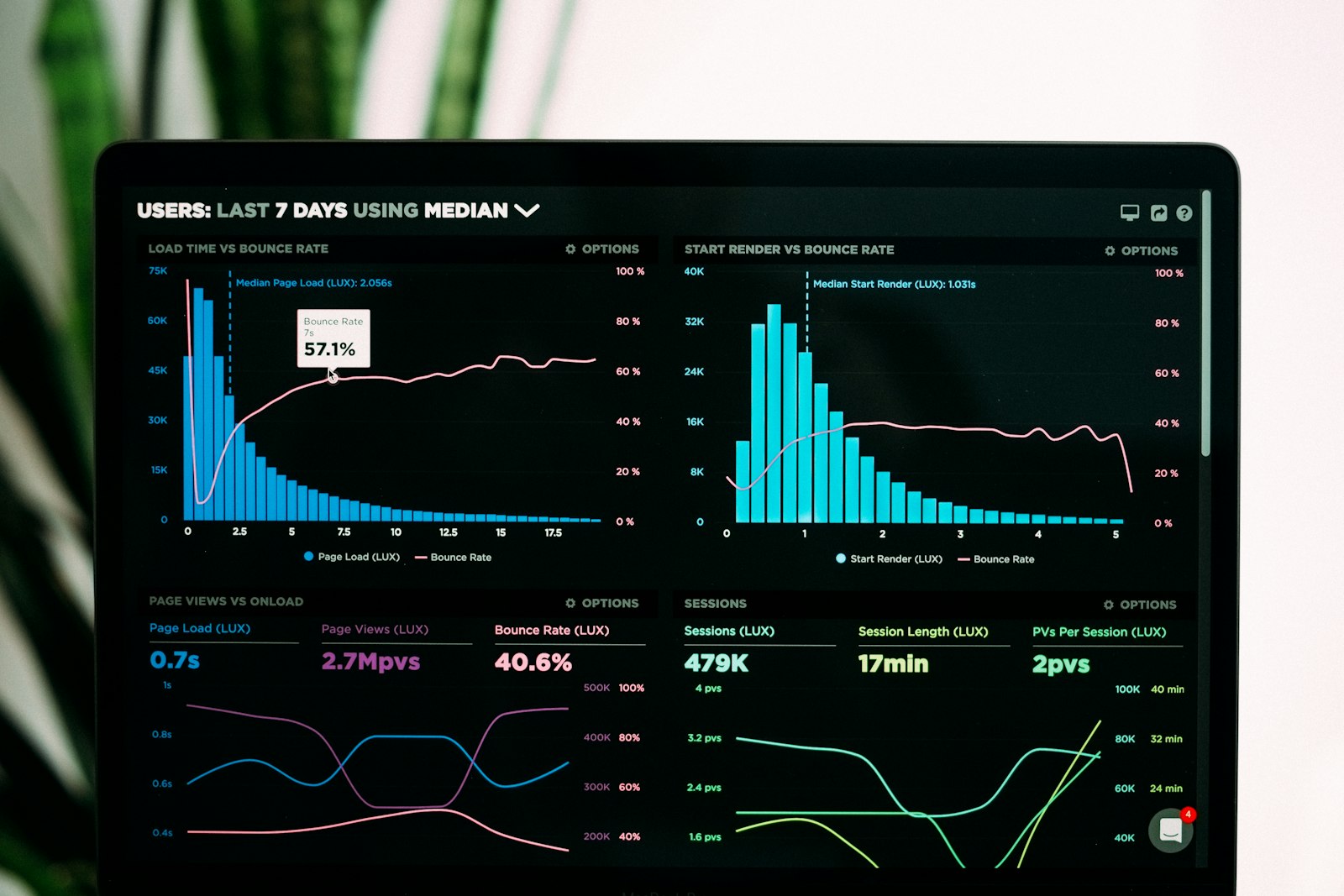
3. Use on-chain data: Check TVL on sites like DefiLlama or the number of active channels on Lightning. Rising TVL or user growth is a bullish signal.
4. Enter on pullbacks: After a bullish event, wait for a 10-20% retracement before buying. This avoids buying the top.
5. Exit on hype: When mainstream media covers an L2 heavily, it’s often time to take partial profits.
Example Trade
- Asset: Stacks (STX)
- Event: Nakamoto upgrade announcement
- Entry: After a 15% pullback from the initial pump
- Target: 30% gain from entry
- Stop-loss: 8% below entry
Risk Management
Trading L2 tokens is higher risk than trading Bitcoin itself. These tokens are often more volatile and less liquid. Here’s how to stay safe:
- Position size: Limit each L2 trade to 2-5% of your portfolio.
- Diversify across L2s: Don’t bet all on one project.
- Use stop-losses: Always set a stop-loss at a level that invalidates your thesis (e.g., below the recent low).
- Avoid leverage: These tokens can swing 30% in a day—leverage amplifies losses.
- Stay updated: L2 tech evolves fast; a failed upgrade can crash a token.
Conclusion
Bitcoin’s Layer-2 ecosystem is still in its early days, but it offers exciting trading opportunities for those willing to do the research. By focusing on adoption metrics, timing entries around events, and managing risk carefully, you can potentially profit from this emerging sector. Remember: not every L2 will succeed, so trade smart, stay disciplined, and keep learning. The future of Bitcoin is layered—and so can be your trading strategy.
Arbitrum DAO Faces Court Freeze on $71M ETH: A Complete Guide
What happens when a decentralized autonomous organization (DAO) freezes stolen funds, only to have a U.S. court order those same assets frozen for a completely different reason? This complex scenario is now unfolding with Arbitrum DAO, which faces a legal restraint on 30,766 ETH (worth nearly $71.1 million) that its security council had already frozen following the Kelp DAO exploit. The funds are now caught between a community recovery plan and terror victims’ legal claims linking the stolen assets to North Korea. For crypto users, this case reveals critical lessons about DAO governance, legal jurisdiction over on-chain assets, and how real-world courts can intersect with blockchain decisions. This guide explains the dispute without legal jargon, shows why it matters for DeFi participants, and helps you understand the evolving relationship between crypto governance and U.S. law.
Read time: 10-12 minutes
Understanding DAO Governance and Legal Jurisdiction for Beginners
A DAO (Decentralized Autonomous Organization) is a community-run organization where decisions are made through voting by token holders, not by a central authority. Think of it like a neighborhood association where everyone with a membership token gets to vote on how to spend shared funds or handle community issues—except this neighborhood exists entirely on blockchain code.
Why was this system created? DAOs solve the problem of centralized control in crypto projects. Instead of a single company or founder deciding what happens with project funds, the community votes. This was supposed to make decisions more democratic and transparent.
The real-world example is Arbitrum DAO, which controls billions in assets and makes governance decisions through proposals voted on by ARB token holders. In this case, the DAO opened a vote to decide whether frozen hack funds should be returned to victims. But here’s where the legal world intervenes: a U.S. court order can override DAO votes when the funds are linked to state-sponsored terrorism, because U.S. law allows victims of terrorism to seize assets connected to terror-sponsoring nations like North Korea.
What this means for you: When you participate in DAO governance, you’re voting within a system that operates under blockchain rules. But those assets still exist in the real world, where courts, laws, and international sanctions can apply. Understanding this jurisdictional gap is crucial for anyone involved in DeFi.
The Technical Details: How Arbitrum’s Security Council Froze the Funds
The technical process behind this freeze reveals how blockchain security mechanisms work in practice:
1. Exploit Detection: On April 18, attackers compromised Kelp DAO’s LayerZero-based bridge, draining 116,500 rsETH in a $292 million exploit. LayerZero’s investigation identified the breach: compromised RPC nodes and a “1-of-1 verifier” setup that allowed a forged cross-chain message to pass validation.
2. On-Chain Tracking: Security analysts traced the attacker’s movements through Arbitrum, where they converted assets into Tron-based USDT. This pattern—moving funds through multiple blockchains and converting to different tokens—is intended to fragment the transaction trail and make recovery harder.
3. Security Council Action: On April 20, Arbitrum’s Security Council (a group of trusted entities with emergency powers) identified attacker-linked addresses and moved 30,766 ETH into a controlled wallet. This freeze didn’t disrupt normal user activity or applications on Arbitrum.
4. Law Enforcement Coordination: Arbitrum confirmed the freeze followed input from law enforcement regarding the exploiter’s identity—later linked to North Korea’s Lazarus Group.
Why this structure matters: The Security Council’s ability to freeze funds is a powerful tool for protecting users, but it also creates centralization risk. These “emergency brakes” exist in many DAOs, but their use can conflict with the core ethos of decentralization. The technical tracking demonstrates how blockchain’s transparency (all transactions are visible) can actually help law enforcement, even though attackers try to obfuscate their trails.
Current Market Context: Why This Legal Battle Matters Now
As of May 2025, this case represents a significant intersection of three major trends: rising North Korean-linked crypto thefts, expanding U.S. legal claims against state-sponsored hacking, and the growing maturity of DAO governance facing real-world legal pushback.
The numbers are striking. Estimates cited by Yahoo Finance placed North Korean-linked crypto thefts near $600 million in the first quarter of 2025 alone, with the Kelp DAO incident accounting for a significant share. The Lazarus Group, identified as North Korea’s primary hacking unit, has become increasingly sophisticated in targeting DeFi protocols.
The legal action comes from victims holding over $877 million in unpaid terrorism-related judgments against North Korea, including the killing of Reverend Kim Dong-shik by North Korean agents. The plaintiffs argue that since the frozen ETH was stolen by the Lazarus Group on behalf of North Korea, those assets can be seized to satisfy existing court judgments.
Why timing is critical: The Arbitrum DAO governance vote opened on April 30, with over 99% support for transferring the frozen funds to a recovery initiative. But the court-ordered restraint, served on May 1 through Arbitrum’s governance forum, now blocks any movement. This creates a direct conflict: the DAO community wants to return funds to exploit victims, while U.S. law wants those same funds used to compensate terror victims.
Competitive Landscape: How Arbitrum’s Governance Compares
Different blockchain communities handle frozen funds and legal disputes differently:
| Feature | Arbitrum DAO | Bitcoin/Non-DAO Chains | Centralized Exchanges (CEXs) |
|---|---|---|---|
| Governance Model | Token-holder voting via proposals | No formal governance; relies on user consensus | Company decision-making |
| Fund Freeze Mechanism | Security Council with emergency powers | No built-in freeze capability | Company can freeze accounts at will |
| Legal Compliance | Must comply with court orders but lacks legal entity structure | Generally immune to individual court orders unless nodes comply | Must comply with all applicable laws |
| Victim Compensation | Community votes on returns; recovery initiatives | Almost impossible; funds are permanently lost unless returned voluntarily | Can freeze and return funds to victims |
| Legal Exposure | High; DAO members and council may face personal liability | Low; no entity to sue | High; legally registered entity can be sued |
Why this matters for users: Choosing between DeFi platforms and centralized exchanges involves trade-offs. DAOs offer more user control but less legal clarity. CEXs offer legal protections for users but require trusting a central authority. This case shows that even “decentralized” DAOs are not immune from legal action when funds cross into jurisdictions with active court systems.
Practical Applications: What This Means for Crypto Users
- Understanding Your Legal Risk: If you participate in DAO governance, you may have personal legal exposure. This case shows that DAO members voting on fund movements could potentially face legal consequences in U.S. courts.
- Evaluating Security Protocols: The Arbitrum Security Council’s ability to freeze funds is a feature, not a bug—but it’s not absolute. Courts can override these actions. Understanding which protocols have emergency powers (and under what conditions) helps you assess risk.
- Recovery Expectations: When a hack occurs, don’t assume funds will be returned. Even when protocols freeze assets, legal claims from third parties (like terrorism victims) can prevent recovery.
- Diversification Strategy: Holding assets across different chains and protocols reduces the risk that a single legal or governance decision affects all your funds.
- Due Diligence: Before investing in a DeFi protocol, research its governance structure, security council composition, and legal jurisdiction. Projects registered or operating in the U.S. face different legal exposure than those based elsewhere.
Risk Analysis: Expert Perspective
Primary Risks:
1. Legal Uncertainty for DAO Participants: The core question—”Can DAO members be held personally liable for governance votes?”—remains unanswered. This case could set a precedent. If courts can order DAOs to freeze or release funds, who faces consequences for non-compliance?
2. Contradictory Claims on Funds: Two groups with legitimate claims—Kelp DAO exploit victims and U.S. terrorism victims—are fighting over the same $71 million. One side will likely lose out entirely.
3. Reputational Damage: If Arbitrum DAO complies with the court order rather than its community vote, it could undermine trust in its governance process. If it ignores the court order, it faces legal contempt.
Mitigation Strategies:
- Legal Entity Formation: Some DAOs are forming legal entities (like foundations in Panama or the Cayman Islands) to shield individual members from liability. This case may accelerate that trend.
- Indemnification Clauses: Aave Labs’ proposal includes indemnification for Arbitrum Foundation and Security Council members—but such protections’ effectiveness under court order is untested.
- Geographic Jurisdiction: DAOs that limit operations to jurisdictions with crypto-friendly laws may face fewer legal challenges.
Expert Consensus: Legal experts interviewed in related coverage agree that this case is unprecedented and could reshape DAO governance. The outcome depends on whether U.S. courts consider DAO tokens as “property” subject to seizure, and whether DAO members are considered “owners” or merely “participants.”
Beginner’s Corner: Quick Start Guide to Understanding DAO Legal Risk
1. Research the DAO’s Legal Structure: Visit the project’s documentation to see if it has a legal entity (foundation, association, etc.) and where it’s registered. Projects with clear legal structures offer more protection for participants.
2. Understand the Security Council: Most DAOs have emergency powers held by a small group. Check who holds these powers and under what conditions they can freeze funds. This information is usually in governance documentation.
3. Read Proposals Carefully: When voting on governance proposals, read the full text—including indemnification clauses and legal disclaimers. These can affect your personal liability.
4. Monitor Legal Developments: Follow news sources that cover crypto regulation and litigation. Major cases like this Arbitrum dispute will influence future DAO operations.
5. Consult Professional Advice: If you hold significant assets in DAO-governed protocols or serve on a security council, consider consulting a lawyer familiar with crypto regulation.
Common Mistake to Avoid: Assuming that “decentralized” means “no legal exposure.” Courts in the U.S. and other jurisdictions are increasingly asserting jurisdiction over on-chain activities, especially when they involve U.S. residents or assets.
Future Outlook: What’s Next for DAO Governance
The immediate path forward involves legal proceedings before the U.S. District Court for the Southern District of New York. Key developments to watch:
1. Court Ruling on Asset Ownership: The court must determine whether the frozen ETH constitutes property in which North Korea holds an interest. The plaintiffs cite the Foreign Sovereign Immunities Act and Terrorism Risk Insurance Act, which permit seizing assets of state sponsors of terrorism.
2. DAO Governance Test: The Arbitrum DAO vote (over 99% support for recovery) creates a clear community mandate. How the DAO navigates the legal restraint while respecting its governance process will set precedents.
3. Indemnification Battle: Aave Labs’ indemnification clause for the Arbitrum Foundation and Security Council members may be tested if legal action targets individuals.
4. Regulatory Attention: Regulators including the SEC (mentioned in source keywords) may take interest in how DAOs handle frozen assets and legal compliance, potentially leading to new guidance.
5. Industry Response: Other DeFi protocols may preemptively form legal entities or add legal compliance clauses to their governance frameworks to avoid similar conflicts.
The timeline is uncertain. Legal proceedings could take months or years, during which the 30,766 ETH remains frozen. The outcome will likely influence how dozens of other DAOs structure their governance and legal compliance going forward.
Key Takeaways
- Arbitrum DAO faces a U.S. court freeze on $71M in ETH that its Security Council had already frozen following the Kelp DAO exploit, creating a conflict between DAO governance and legal jurisdiction.
- The frozen funds are caught between two competing claims: Kelvin DAO exploit victims want the assets returned, while U.S. terrorism victims want the funds seized to satisfy $877 million in judgments against North Korea.
- This case tests whether DAO governance can operate independently of court orders when assets are linked to state-sponsored terrorism, with potential precedents for the entire DeFi industry.
- Understanding the legal exposure of participating in DAOs is crucial for crypto users, as courts increasingly assert jurisdiction over blockchain-based assets and governance decisions.