
How to Secure Your Crypto Wallet: A Step-by-Step Guide
Introduction
In the world of cryptocurrency, security is paramount. With billions of dollars lost annually to hacks, phishing scams, and user errors, knowing how to properly secure your crypto wallet is not optional—it’s essential. Whether you’re a beginner or a seasoned trader, this step-by-step guide will walk you through the best practices to protect your digital assets from theft, loss, and unauthorized access.
Key Concepts
- Private Keys vs. Seed Phrases: Your private key is like a password that proves ownership of your funds. A seed phrase (usually 12 or 24 words) is a backup that can restore your wallet. Never share either with anyone.
- Hot Wallets vs. Cold Wallets: Hot wallets are connected to the internet (e.g., mobile apps, browser extensions) and are convenient but more vulnerable. Cold wallets (hardware wallets, paper wallets) are offline and much more secure for long-term storage.
- Two-Factor Authentication (2FA): Adds an extra layer of security by requiring a second verification method (like Google Authenticator or a hardware key) beyond your password.
- Phishing Attacks: Fake websites, emails, or messages that trick you into revealing your private keys or seed phrase. Always double-check URLs and never click suspicious links.
Pro Tips
- Use a hardware wallet for large holdings. Devices like Ledger or Trezor keep your private keys offline.
- Enable 2FA on every exchange and wallet. Prefer authenticator apps over SMS-based 2FA.
- Write down your seed phrase on paper and store it in a safe place (e.g., a fireproof safe). Never store it digitally.
- Keep your software updated. Wallet apps and browser extensions often release security patches.
- Use a dedicated device or browser profile for crypto transactions to minimize exposure to malware.
💡 Pro Tip
Looking for altcoin opportunities and smooth trading? Try KuCoin.
FAQ Section
1. What is the safest type of crypto wallet?
Hardware wallets (cold wallets) are considered the safest because they store your private keys offline, making them immune to online hacks.
2. Can I recover my wallet if I lose my phone?
Yes, if you have your seed phrase. Simply download the same wallet app on a new device and enter your seed phrase to restore access.
3. Is it safe to keep crypto on an exchange?
Exchanges are convenient for trading, but they are more vulnerable to hacks. For long-term storage, transfer your funds to a private wallet, preferably a hardware wallet.
4. What should I do if I think my wallet is compromised?
Immediately transfer your funds to a new wallet with a new seed phrase. Revoke any token approvals and change passwords on all related accounts.
5. How often should I update my wallet software?
As soon as updates are released. Enable automatic updates if possible, and always download updates from the official source.
Conclusion
Securing your crypto wallet is a continuous process, not a one-time setup. By following the steps in this guide—using cold storage, enabling 2FA, safeguarding your seed phrase, and staying vigilant against phishing—you can dramatically reduce the risk of losing your assets. Remember: in crypto, you are your own bank. Take that responsibility seriously.
For more details on this, check out our guide on The Bollinger Band Squeeze: Your Signal for the Next Big Move.
You might also be interested in reading about DePIN Explained: Earning Passive Income with Infrastructure.
US Treasury Bills on Blockchain: The Risk-Free Rate On-Chain
Introduction
US Treasury Bills (T-Bills) are short-term debt obligations issued by the U.S. Department of the Treasury, widely regarded as the closest proxy to a ‘risk-free’ asset in global finance. Traditionally, these instruments are traded over-the-counter (OTC) or through brokerage accounts, with settlement cycles of T+1 or T+2 and limited accessibility for retail investors. Tokenization brings T-Bills on-chain, enabling fractional ownership, 24/7 liquidity, and transparent, programmable settlement. Off-chain T-Bills require intermediaries, minimum investment sizes (often $1,000 or more), and are subject to market hours. On-chain T-Bills are represented as ERC-20 or similar tokens, each backed 1:1 by an underlying T-Bill held in a Special Purpose Vehicle (SPV). This allows investors to buy, sell, or use T-Bill tokens as collateral in DeFi protocols at any time, with near-instant settlement.
How It Works
The tokenization of US Treasury Bills follows a structured process that bridges traditional custody with blockchain transparency:
- Tokenization: A regulated issuer (e.g., Ondo Finance, Backed Finance) creates a token representing a fractional interest in a pool of T-Bills. Each token is typically pegged to $1 or a fixed notional value.
- Special Purpose Vehicle (SPV): The issuer establishes an SPV that holds the actual T-Bills in a segregated custody account with a qualified custodian (e.g., a bank or broker-dealer). The SPV ensures legal separation between the issuer’s assets and the token holders’ assets.
- Oracle Integration: A trusted oracle (e.g., Chainlink, Pyth) feeds the net asset value (NAV) of the T-Bill portfolio on-chain. This price is updated periodically (e.g., daily) to reflect accrued interest and market value.
- Blockchain Minting/Burning: When an investor deposits fiat or stablecoins, the issuer mints new tokens and credits them to the investor’s wallet. Upon redemption, tokens are burned, and the equivalent fiat is returned. Smart contracts automate the minting/burning process based on oracle-verified NAV.
- Secondary Market: Tokenized T-Bills can be traded on decentralized exchanges (DEXs) or centralized platforms, providing 24/7 liquidity. Some protocols also allow using these tokens as collateral for lending or yield farming.
Investment Analysis
Pros
- Fractional Ownership: Low minimum investment (e.g., $1 tokenized) opens T-Bill exposure to retail investors globally.
- 24/7 Liquidity: On-chain trading eliminates market hours, allowing instant swaps and portfolio rebalancing.
- Transparency: All transactions are recorded on a public ledger, with NAV updates verifiable via oracles.
- Programmability: Tokens can be integrated into DeFi protocols for lending, borrowing, or as collateral, generating additional yield.
- Regulatory Clarity: T-Bills are exempt from SEC registration under certain exemptions (e.g., Regulation D), and issuers often comply with KYC/AML requirements.
Cons
- Counterparty Risk: Investors rely on the issuer and custodian to hold the underlying T-Bills. If the issuer becomes insolvent, token holders may face delays in redemption.
- Smart Contract Risk: Bugs or exploits in the token contract or oracle can lead to loss of funds.
- Regulatory Uncertainty: While T-Bills themselves are low-risk, the tokenization framework may face evolving regulations from the SEC, CFTC, or state regulators.
- Oracle Dependency: If the oracle fails or provides stale data, the token price may deviate from NAV, causing arbitrage or liquidation risks.
- Limited Yield: T-Bill yields are currently modest (4-5% APY), which may be lower than some DeFi yields, though with significantly lower risk.
Risks
- Regulatory Risk: Future rules could classify tokenized T-Bills as securities, requiring registration or limiting secondary trading.
- Liquidity Risk: In stressed markets, the secondary market for tokenized T-Bills may dry up, forcing holders to rely on the issuer’s redemption process (which may have delays).
- Custodial Risk: The SPV’s custodian must be trusted; any failure (e.g., bankruptcy) could affect the underlying assets.
- Smart Contract Risk: Code vulnerabilities can lead to theft or permanent loss of tokens.
For a broader market view, check out our analysis on Etherscan Guide: Track Whales & Verify Transactions.
Investors often compare this to Cold Storage vs Hot Wallets: Which Should You Choose? A Complete Guide for Crypto Security.
Tool Recommendation
Looking for altcoin opportunities and smooth trading? Try KuCoin. KuCoin offers a wide range of tokenized assets, including RWA tokens, and provides a user-friendly interface for both spot and margin trading. Whether you’re a beginner or an experienced trader, KuCoin’s advanced tools and liquidity make it a solid choice for accessing on-chain T-Bill products and other DeFi instruments.
FAQ Section
What is the yield on tokenized US Treasury Bills?
The yield on tokenized T-Bills typically mirrors the yield of the underlying Treasury Bills, minus management fees charged by the issuer (usually 0.15% to 0.50% annually). As of early 2025, yields range from 4.0% to 5.0% APY, depending on the duration of the T-Bills held in the pool.
Are tokenized T-Bills considered securities?
Yes, in most jurisdictions, tokenized T-Bills are classified as securities because they represent an investment in a common enterprise with an expectation of profit derived from the efforts of others. Issuers often rely on exemptions like Regulation D (accredited investors) or Regulation S (non-US investors) to avoid full SEC registration. Investors should verify the regulatory status in their jurisdiction.
How do I redeem tokenized T-Bills for fiat?
Redemption processes vary by issuer. Typically, you send the tokens back to the issuer’s smart contract or a designated redemption address. The issuer then burns the tokens and sends the equivalent fiat (or stablecoins) to your bank account or wallet. Redemption may take 1-5 business days, depending on the issuer’s liquidity and banking relationships.
Conclusion
Tokenized US Treasury Bills represent a significant bridge between TradFi and DeFi, offering a low-risk, yield-bearing asset that is accessible 24/7 and programmable for DeFi use. While the asset class carries counterparty, regulatory, and smart contract risks, the underlying T-Bills remain one of the safest investments globally. For institutional and accredited investors, tokenized T-Bills provide a compliant way to earn yield on idle cash while maintaining liquidity. For retail investors, fractional ownership lowers the barrier to entry. As the RWA ecosystem matures, on-chain T-Bills are likely to become a core component of diversified crypto portfolios. However, due diligence on the issuer, custodian, and smart contract audits is essential before investing.
Animoca Brands Chairman Declares Metaverse Over, Predicts 100 Billion AI Agents
May 22, 2026 — Animoca Brands chairman Yat Siu announced at Consensus Miami 2026 that the metaverse, as originally envisioned during the pandemic, is dead as a consumer destination. Siu instead predicted 50 to 100 billion AI agents will become blockchain’s primary users, vastly outnumbering human cryptocurrency participants.
Immediate Details & Direct Quotes
Want to trade this news? Bitget offers professional charting tools and deep liquidity.
Siu told the Consensus Miami 2026 conference on Thursday that the blockchain-based metaverse was never truly designed for human consumers. “Where we’re landing is that the metaverse, the blockchain-based one, was really the proof of concept for agents,” he said. “In other words, it was never really destined for humans as a prime consumer.”
The remarks represent a significant pivot for Animoca Brands, which was among the most vocal proponents of the pandemic-era vision where users would spend increasing amounts of their social and economic lives in immersive virtual environments. Siu attributed the earlier misconception to COVID-19 lockdown conditions, when many assumed remote digital life would become permanent.
“Everyone thought, ‘Oh, we’re going to be at home, and we’re never going to travel as much anymore,'” Siu recalled. “Which, of course, turned out to be quite the opposite.”
As part of the strategic shift, Animoca announced a $10 million investment initiative for developers building AI agent applications through its Animoca Minds platform, framing autonomous agents as the firm’s next major investment category following the metaverse era.
Market Context & Reaction
Siu’s new thesis centers on blockchain technology becoming the financial infrastructure for machine-to-machine transactions. “Blockchain technology is the ideal financial system for machines,” he said. “We, the humans, were basically the guinea pigs.”
The argument addresses a persistent challenge limiting crypto adoption. According to industry data cited by Siu, approximately 700 to 800 million people globally own some form of cryptocurrency, yet fewer than 70 million actively use blockchain applications. The technology remains too complex for mainstream consumers—a barrier AI agents don’t face.
Agents interact directly through code, require no traditional banking infrastructure, and can transact autonomously on-chain. Siu estimates 50 to 100 billion AI agents could eventually operate on the internet. Based on current global population math, that translates to 10 to 20 agents per human, producing between 70 and 140 billion agents worldwide.
“I think the point is that it’s going to be more agents than humans,” Siu stated.
Background & Historical Context
Animoca Brands built its reputation as a leading metaverse advocate during the pandemic. The Hong Kong-based software and venture capital firm invested heavily in blockchain gaming, digital land, and virtual world infrastructure, positioning itself at the center of the Web3 metaverse movement.
The company’s portfolio includes investments in The Sandbox, Decentraland, and other virtual world projects that attracted billions in speculation during 2021 and early 2022. The metaverse concept drove significant capital inflows, with major brands and celebrities purchasing virtual real estate and launching digital experiences.
However, user engagement metrics never matched the hype. Most virtual worlds saw declining active users after lockdowns ended, as consumers returned to physical travel and in-person social activities. The disconnect between speculation and actual usage has forced metaverse-focused companies to reassess their strategies.
What This Means
In the short term, Animoca’s pivot signals a potential industry-wide shift away from consumer metaverse narratives toward AI agent infrastructure. The $10 million Animoca Minds investment initiative will likely accelerate development of autonomous agent applications on blockchain networks.
Long-term implications suggest blockchain networks may prioritize machine-to-machine transactions over human user interfaces. This could fundamentally change how crypto projects design their products, shifting focus from user experience improvements toward agent-compatible protocols and smart contract standards.
For investors and developers, the announcement suggests opportunities may lie in building agent infrastructure, including identity systems, payment channels, and autonomous transaction protocols, rather than consumer-facing metaverse applications.
—
The Rise of AI Agents in Crypto: A Complete Guide
Introduction
Artificial Intelligence (AI) agents are rapidly transforming the cryptocurrency landscape, automating trading, portfolio management, and even governance. These autonomous programs analyze vast amounts of data, execute trades, and interact with blockchain protocols without human intervention. As the crypto market matures, AI agents are becoming essential tools for both retail and institutional investors seeking efficiency, speed, and data-driven decision-making. This guide explores the key concepts, practical tips, and tools you need to understand and leverage AI agents in crypto.
Key Concepts
- Autonomous Trading Bots: AI agents that execute trades based on predefined strategies, market sentiment analysis, or machine learning models. They can operate 24/7 and react to market changes in milliseconds.
- DeFi Integration: AI agents can interact with decentralized finance protocols to automate yield farming, liquidity provision, and arbitrage opportunities, optimizing returns while minimizing risk.
- On-Chain Analytics: Agents analyze blockchain data (e.g., transaction volumes, wallet activity, smart contract interactions) to identify trends, detect anomalies, and predict price movements.
- Governance Automation: In DAOs, AI agents can vote on proposals based on predefined criteria, ensuring consistent participation and reducing manual oversight.
- Risk Management: AI agents can monitor portfolio exposure, set stop-losses, and rebalance assets automatically to protect against market volatility.
Pro Tips
- Start with a clear strategy: Define your goals (e.g., arbitrage, long-term holding, yield farming) before deploying an AI agent. Backtest your strategy using historical data.
- Monitor performance regularly: Even autonomous agents need oversight. Set up alerts for unusual behavior or significant drawdowns.
- Optimize for low fees: High transaction costs can erode profits, especially for high-frequency strategies. Choose exchanges with competitive fee structures.
- Use multiple data sources: Combine on-chain data, social media sentiment, and market indicators to improve your agent’s accuracy.
- Security first: Only grant minimal permissions to your AI agent. Use hardware wallets and avoid sharing private keys.
FAQ Section
What are AI agents in crypto?
AI agents are autonomous software programs that use machine learning and data analysis to perform tasks like trading, portfolio management, and governance in the cryptocurrency space.
Are AI agents safe to use?
Safety depends on the implementation. Use reputable platforms, limit permissions, and regularly audit your agent’s activity. Never share private keys.
Can AI agents guarantee profits?
No. While AI agents can improve efficiency and reduce emotional bias, they are not foolproof and can still incur losses, especially in volatile markets.
Do I need coding skills to use an AI agent?
Many platforms offer no-code interfaces for deploying AI agents. However, custom strategies may require basic programming knowledge.
What is the best exchange for AI agent trading?
Exchanges with low fees, high liquidity, and robust APIs are ideal. MEXC is a popular choice due to its competitive fee structure and support for automated trading.
Conclusion
AI agents are revolutionizing the crypto industry by automating complex tasks, improving efficiency, and enabling data-driven strategies. Whether you are a seasoned trader or a newcomer, integrating AI agents into your workflow can provide a significant edge. Start with a clear plan, prioritize security, and always keep an eye on costs. For more details on this, check out our guide on Israeli Regulators Approve Shekel-Pegged Stablecoin. You might also be interested in reading about Stablecoin Yield Strategies: Low Risk Farming – A Comprehensive Guide.

Bridging Worlds: How Real World Asset Tokenization is Changing Crypto Trading
Imagine being able to trade a fraction of a Manhattan skyscraper, a barrel of premium crude oil, or even a rare vintage car – all from your phone, 24/7, with the speed and transparency of blockchain. This isn’t science fiction; it’s the reality of Real World Asset (RWA) tokenization. For traders, this represents one of the most exciting and foundational shifts in the market today. It’s not just another DeFi trend; it’s a bridge between the trillion-dollar traditional finance world and the digital frontier.
How it Works
At its core, RWA tokenization is the process of converting the ownership rights of a physical or traditional financial asset into a digital token on a blockchain. Think of it like a digital deed. Instead of buying a whole bond or a piece of real estate, you can buy a token that represents a share of that asset. This token lives on a public ledger, making it transparent, easily divisible, and tradeable.
The Setup: Why Traders Should Pay Attention
For the crypto trader, RWA tokens offer unique opportunities that differ from trading volatile cryptocurrencies like Bitcoin or memecoins. Here’s the setup:
1. Yield from Stability: Many RWA tokens are designed to generate yield from real-world income, such as rent from properties or interest from loans. This provides a stable, predictable return stream that can act as a hedge during volatile crypto market cycles.

2. Diversification: By trading RWAs, you gain exposure to asset classes that historically have low correlation with crypto. This can smooth out your overall portfolio performance.
3. Arbitrage Opportunities: As this sector is still nascent, price inefficiencies often exist between the tokenized asset and its underlying real-world value. Savvy traders can capitalize on these spreads.
4. On-Chain Transparency: You can verify the underlying asset and its performance through on-chain data and governance, reducing the opacity often found in traditional finance.
Risk Management
While exciting, RWA trading isn’t without its risks, and managing them is crucial:
- Counterparty Risk: The value of the token is only as good as the entity managing the underlying asset. Always research the issuer, their legal structure, and their track record.
- Oracle Risk: RWAs rely on oracles to bring off-chain data (like property appraisals or interest rates) onto the blockchain. A compromised or inaccurate oracle can break the peg.
- Liquidity Risk: Some RWA tokens may have low trading volume, making it difficult to exit a position quickly without slippage. Stick to tokens on established platforms with decent liquidity.
- Regulatory Risk: The legal classification of tokenized assets is still evolving globally. A sudden regulatory change could impact the token’s tradability or value.
Pro Tip: Start small. Allocate only a small percentage of your trading capital (e.g., 5-10%) to RWAs while you learn the ropes. Focus on tokens that have undergone third-party audits and have a clear legal framework for the underlying asset.
Conclusion
Real World Asset tokenization is more than a narrative; it’s the next logical step in the maturation of crypto markets. For the beginner and intermediate trader, it offers a unique path to combine the efficiency of DeFi with the stability of traditional finance. By understanding the setup and respecting the risks, you can position yourself at the forefront of this transformative trend. The bridge between the real world and the digital world is open – are you ready to cross?
How Stablecoin Compliance Works: A Beginner’s Guide to Coinbax’s Programmable Escrow
Did you know that stablecoins now settle over $1 trillion in transactions monthly? As banks rush to use stablecoins for payments, they face a critical challenge: how to maintain regulatory compliance when funds move directly between crypto wallets. This is exactly what startup Coinbax aims to solve. The company recently won the $20,000 grand prize at Consensus Miami’s PitchFest for its programmable escrow system that adds compliance controls to onchain payments. For crypto users and financial institutions alike, understanding how compliance can work on blockchain rails is essential for the future of digital payments. This guide explains Coinbax’s innovation in plain language, shows how banks are adopting stablecoins safely, and clarifies common misconceptions about onchain compliance.
Read time: 10-12 minutes
Understanding Stablecoin Compliance for Beginners
Stablecoin compliance refers to the processes and technologies that ensure cryptocurrency transactions involving stablecoins meet legal and regulatory requirements. Think of it like a digital security checkpoint at an airport—every passenger (transaction) must show valid ID, pass through screening, and get clearance before boarding (settling on the blockchain).
Why was this created? Traditional bank transfers already have built-in compliance checks because banks act as intermediaries who verify identities, screen for sanctions, and assess transaction risk. However, when stablecoins move directly between wallets on a blockchain, these checks don’t happen automatically. This creates a problem for banks that want to use stablecoins for faster, cheaper payments but need to satisfy their compliance departments.
A real-world example: Imagine Bank A wants to send $1 million in USDC (a popular stablecoin) to Bank B. Without Coinbax’s system, the transaction goes directly from one wallet to another with no built-in compliance checks. With Coinbax’s programmable escrow, the funds are held temporarily while third-party services verify identities, check sanctions lists, and assess risk—only then does the payment settle onchain.
The Technical Details: How Coinbax’s Programmable Escrow Actually Works
Coinbax uses smart contracts—self-executing code on a blockchain—to create a trust layer for stablecoin payments. Here’s how the system operates:
1. Escrow Creation: When a bank initiates a stablecoin payment, the funds are first moved into a smart contract that acts as a digital escrow account. The smart contract holds the funds temporarily and won’t release them until conditions are met.
2. Compliance Verification: Third-party services are called by the smart contract to perform three key checks:
– Identity verification: Confirming the sender and receiver are who they claim to be
– Sanctions screening: Checking against global sanctions lists (like OFAC)
– Transaction risk assessment: Evaluating whether the payment amount or pattern looks suspicious
3. Conditional Settlement: Only after all compliance checks pass do the smart contracts automatically release the funds to the intended recipient. If any check fails, the transaction is blocked and funds return to the sender.
4. Blockchain Recording: The entire compliance process is recorded on the blockchain, creating an immutable audit trail that regulators can review.
Why this structure matters for you: This system allows banks to benefit from stablecoin’s speed and low cost while maintaining the same compliance standards they use for traditional wire transfers. For users, it means faster international payments without sacrificing security.
Visual Cue: A flow diagram showing the transaction path from Bank A → Escrow Smart Contract → Compliance Checks → Conditional Settlement → Bank B would help visualize this process.
Current Market Context: Why This Matters Now
Stablecoins are experiencing explosive growth. According to CoinGecko, the total stablecoin market cap exceeded $200 billion in late 2025, with daily transaction volumes regularly surpassing $100 billion. Major financial institutions are taking notice.
Coinbax’s founder, Peter Glyman, a former executive at Jack Henry (a major banking technology provider), launched the startup in October 2025. Within just two months, the company closed a seed round and went live on Base mainnet—Coinbase’s Layer 2 blockchain built on Ethereum. The company is already running pilot programs with banks, custody firms, and wallet providers.
The timing is significant for several reasons:
- Regulatory clarity: The EU’s Markets in Crypto-Assets (MiCA) regulation, which took full effect in 2025, provides a clear framework for stablecoin issuance and compliance
- Institutional adoption: Bridge and Deus X Capital executives recently stated at Consensus 2026 that large corporations are actively exploring stablecoins for cross-border treasury payments
- AI integration: Stablecoin rails are enabling AI agents to make autonomous micropayments, creating new use cases that require robust compliance controls
Competitive Landscape: How Coinbax Compares
Several companies are working on stablecoin compliance solutions, each with different approaches:
| Feature | Coinbax | Traditional Banking Rails | Decentralized Compliance Protocols |
|---|---|---|---|
| Transaction Speed | Near-instant (seconds) | 1-3 business days | Near-instant |
| Compliance Location | Onchain (smart contract) | Offchain (bank systems) | Onchain (automated) |
| Cost per Transaction | <$0.01 | $15-$50+ | <$0.01 |
| Regulatory Oversight | Full (bank-grade checks) | Full (existing systems) | Variable |
| User Control | Bank-managed wallets | Bank-managed accounts | Self-custody wallets |
| Key Innovation | Programmable escrow | Mature infrastructure | Automated rule execution |
Why this matters for users: Coinbax distinguishes itself by bridging the gap between traditional banking compliance and decentralized blockchain technology. Unlike fully decentralized solutions that may struggle with regulatory requirements, or legacy banking systems that are slow and expensive, Coinbax offers a middle path that satisfies both regulators and customers seeking speed.
Practical Applications: Real-World Use Cases
How does programmable escrow for stablecoin compliance actually benefit users?
- Cross-Border Payments: A business sending payroll to international contractors can settle in minutes instead of days, with all compliance checks handled automatically onchain. This benefits companies with global workforces.
- Interbank Settlements: Banks can transfer funds between each other using stablecoins while maintaining the same sanctions screening and identity verification required by regulators. This benefits financial institutions seeking operational efficiency.
- Treasury Management: Large corporations managing cash across multiple jurisdictions can use stablecoins for intra-company transfers without navigating different banking systems. This benefits corporate treasurers.
- Custody Services: Crypto custody firms can move client funds between hot and cold wallets with compliance controls built into the transaction flow. This benefits institutional investors.
- Wallet-to-Wallet Payments: As Glyman envisions, wallet addresses could eventually be associated with bank accounts, allowing seamless payments between bank customers and self-custody wallet users with compliance built in.
Risk Analysis: Expert Perspective
Primary Risks:
1. Smart Contract Vulnerabilities: Like all blockchain-based systems, Coinbax relies on smart contracts that could contain bugs or be exploited by hackers. A single vulnerability could lead to fund loss.
2. Regulatory Uncertainty: While MiCA provides guidance, global stablecoin regulation remains fragmented. What’s compliant in the EU may not satisfy US or Asian regulators.
3. Third-Party Dependency: Coinbax relies on external compliance service providers for identity checks and sanctions screening. If these services fail or provide inaccurate data, transactions could be incorrectly blocked.
4. Adoption Hurdles: Banks are famously slow to adopt new technology, especially when it involves moving funds. Gaining widespread institutional trust takes time.
Mitigation Strategies:
- Regular smart contract audits by independent security firms
- Multi-jurisdictional compliance frameworks that adapt to local regulations
- Redundant compliance service providers to ensure uptime
- Phased rollout with pilot programs before full-scale deployment
Expert Consensus: Industry experts agree that onchain compliance is the next frontier for stablecoin adoption. As one panelist at Consensus Miami noted, “Privacy and accountability can coexist onchain.” The challenge is implementation, not concept.
Beginner’s Corner: Quick Start Guide
If you’re a crypto user interested in how stablecoin compliance affects you, here are steps to understand:
1. Learn what stablecoins are: Start with USDC or USDT—these are the most widely used stablecoins that banks are integrating.
2. Understand smart contracts: These are automated programs on blockchains that execute when conditions are met. Coinbax uses them for escrow.
3. Check your wallet’s compliance: Some wallets now integrate compliance checks automatically. See if yours does.
4. Monitor regulatory developments: Follow MiCA implementation in the EU and potential US stablecoin legislation.
5. Watch for bank announcements: Major banks using stablecoins is a leading indicator of mainstream adoption.
Common mistakes to avoid:
- Assuming all stablecoins are created equal (each has different compliance standards)
- Ignoring tax implications (stablecoin transactions may trigger taxable events)
- Using non-compliant wallets for large transactions (risk of frozen funds)
Future Outlook: What’s Next
Coinbax’s roadmap points toward broader institutional integration. The company is already live on Base mainnet and running pilot programs—expected to expand to Ethereum mainnet and other Layer 2 solutions in the coming months.
Several trends will shape the future of stablecoin compliance:
- AI agent payments: As AI systems begin making autonomous payments, compliant onchain rails become essential
- Regulatory convergence: Global regulators are moving toward harmonized stablecoin standards, which will simplify compliance for companies like Coinbax
- Bank adoption acceleration: As more banks run successful pilot programs, expect rapid scaling of onchain compliance solutions
The vision Glyman described—where wallet addresses are associated with every bank account and compliance happens automatically onchain—could become reality within 3-5 years.
Key Takeaways
- Coinbax’s programmable escrow system solves the core compliance challenge that prevents banks from fully adopting stablecoins for payments
- Smart contracts handle identity checks, sanctions screening, and risk assessment automatically before funds settle onchain
- The system is already live on Base mainnet with pilot programs involving banks, custody firms, and wallet providers
- Onchain compliance represents the bridge between traditional finance and decentralized payments, enabling faster, cheaper transactions without sacrificing regulatory oversight
Stablecoin Yield Strategies: Low Risk Farming – A Comprehensive Guide
In the volatile world of cryptocurrency, stablecoins offer a safe harbor. But did you know you can earn consistent returns on your stablecoins without taking on excessive risk? This guide explores low-risk farming strategies that allow you to generate yield while preserving capital. Whether you’re a conservative investor or a DeFi newcomer, these methods can help you put your stablecoins to work.
Key Concepts
- Stablecoins: Cryptocurrencies pegged to a stable asset, like the US dollar (e.g., USDT, USDC, DAI). They minimize price volatility.
- Yield Farming: The practice of lending or staking crypto assets to earn rewards, often in the form of additional tokens or interest.
- Low-Risk Strategies: Approaches that prioritize capital preservation over high returns. Examples include lending on established platforms, providing liquidity to stablecoin pairs, and using insured protocols.
- APY (Annual Percentage Yield): The real rate of return, accounting for compounding interest. Lower APY often correlates with lower risk.
- Impermanent Loss: A risk in liquidity pools where the value of deposited assets changes relative to holding them. Stablecoin pairs minimize this risk.
Pro Tips
- Start with reputable, audited protocols like Aave, Compound, or Curve Finance.
- Diversify across multiple platforms to reduce platform-specific risk (e.g., smart contract bugs).
- Always check the insurance coverage of a protocol (e.g., Nexus Mutual) before depositing large sums.
- Monitor gas fees on Ethereum; consider using Layer 2 solutions like Arbitrum or Optimism for cheaper transactions.
- Reinvest your rewards periodically to compound your earnings, but factor in transaction costs.
FAQ Section
What is the safest way to earn yield on stablecoins?
The safest methods include lending on top-tier platforms like Aave or Compound, or providing liquidity to stablecoin-only pools on Curve. These protocols have been battle-tested and often have insurance options. Yields typically range from 2% to 8% APY.
Can I lose money with low-risk stablecoin farming?
While the risk is low, it is not zero. Risks include smart contract bugs, platform insolvency (e.g., a hack), or de-pegging of the stablecoin itself. Choosing established protocols and diversifying can mitigate these risks.
How do I start stablecoin yield farming?
First, acquire stablecoins (e.g., USDC) on a centralized exchange like Binance. Then, transfer them to a self-custodial wallet (e.g., MetaMask). Connect to a DeFi protocol, deposit your stablecoins, and start earning. Always start with a small test amount.
What are the best platforms for low-risk stablecoin yields?
Top platforms include Aave, Compound, Curve Finance (for stablecoin pools), and Yearn Finance (which automates strategies). For centralized options, consider Binance Earn or Coinbase Earn.
Conclusion
Low-risk stablecoin farming is an excellent way to generate passive income without exposing yourself to the wild price swings of the crypto market. By sticking to established protocols, diversifying your deposits, and staying informed about platform risks, you can earn consistent yields while keeping your capital safe. Start small, practice on platforms like Binance, and gradually scale up as you gain confidence.
For more details on this, check out our guide on Tax Loss Harvesting in Crypto: A Guide for Traders.
You might also be interested in reading about Identity on Chain: KYC and Compliance in DeFi.
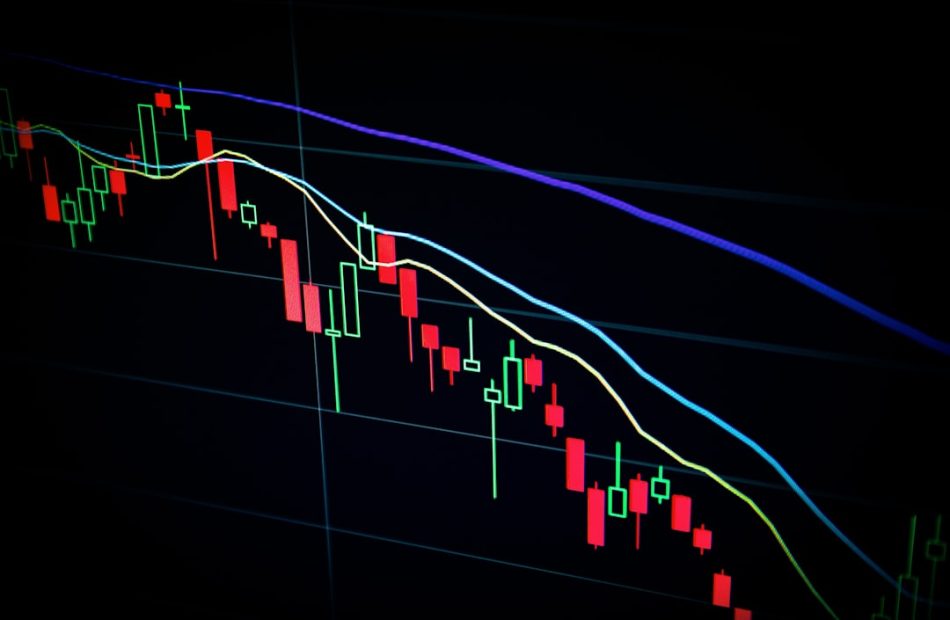
Mastering Supply and Demand Zones: The Trader’s Edge
Ever watched a price rocket up or crash down and wished you’d seen it coming? That’s where supply and demand zones come in. Unlike basic support and resistance, these zones reveal the hidden battle between buyers and sellers. They’re the secret weapon of professional traders, and today, you’re going to learn how to spot them like a pro.
How It Works
Supply and demand zones are areas on your chart where price has made a strong move away, leaving behind an imbalance. A demand zone is where buying pressure was so intense that price shot up—think of it as a floor where smart money stepped in. A supply zone is the opposite: a ceiling where sellers overwhelmed buyers, causing a sharp drop.
These zones are different from simple lines. They’re zones (not single price levels) because the market respects an area, not a precise number. The key is to look for strong, impulsive moves—long green or red candles—followed by a retracement. That retracement is your zone.
The Setup
Here’s a step-by-step to find and trade demand zones:
1. Identify a strong move up: Look for a large, impulsive candle that breaks through previous highs with volume.

2. Find the base: Before that move, find the consolidation area (a few candles ranging sideways). That’s your demand zone.
3. Wait for a retest: Price often comes back to test that zone. That’s your entry.
4. Enter long: Place a buy order when price touches the zone and shows a bullish reversal pattern (like a hammer or engulfing candle).
5. Set a stop loss: Place it just below the zone.
6. Take profit: Aim for the next supply zone above, or use a 1:2 risk-to-reward ratio.
For supply zones, reverse the logic: look for a strong move down, find the base before it, wait for a retest, and sell short.
Risk Management
No strategy works without protecting your capital. Here’s how to stay safe:
- Always use a stop loss: Place it 5–10 pips below/above the zone. If price breaks the zone, you’re out.
- Position size: Never risk more than 1–2% of your account on a single trade.
- Watch for fakeouts: Sometimes price pierces the zone and reverses. Wait for confirmation (a close outside the zone or a reversal candle) before entering.
- Combine with other tools: Use volume or RSI to confirm the zone’s strength. High volume adds conviction.
Conclusion
Supply and demand zones give you a window into where the big players are active. They’re not perfect—no tool is—but they’ll sharpen your entries and boost your confidence. Start by marking them on a daily chart, then move to lower timeframes. Practice on a demo account first. Remember, trading is a skill, not a lottery. Stay patient, stay disciplined, and those zones will become your edge.
Oracles in RWA: Chainlink CCIP & Tokenized Assets Guide
Real World Assets (RWAs) represent a transformative asset class that bridges traditional finance (TradFi) and decentralized finance (DeFi). By tokenizing tangible or intangible assets—such as real estate, bonds, commodities, and credit—RWAs enable fractional ownership, 24/7 liquidity, and unprecedented transparency. The core challenge lies in moving off-chain data (e.g., property valuations, interest rates, corporate actions) onto a blockchain in a secure, verifiable manner. This is where oracles, particularly Chainlink’s Cross-Chain Interoperability Protocol (CCIP), become indispensable.
How Oracles Power RWA Tokenization
The technical process of bringing an RWA on-chain involves several steps:
- Asset Origination: The asset (e.g., a commercial real estate property) is legally structured, often through a Special Purpose Vehicle (SPV) that holds the title.
- Tokenization: The SPV issues digital tokens representing fractional ownership. These tokens are minted on a blockchain (e.g., Ethereum, Polygon).
- Oracle Integration: Chainlink CCIP acts as the secure middleware that feeds verified off-chain data—such as property appraisals, rental income, or bond coupon payments—onto the blockchain. CCIP also enables cross-chain communication, allowing RWA tokens to move seamlessly between different blockchains.
- Smart Contract Execution: The on-chain smart contract uses oracle data to automate distributions (e.g., dividends, interest payments) and maintain accurate collateralization ratios.
Without oracles, a blockchain cannot natively access external data, making RWAs impossible to manage in a trust-minimized way. Chainlink CCIP provides tamper-proof data feeds and cross-chain messaging, ensuring that tokenized assets remain synchronized with their real-world counterparts.
Investment Analysis: Pros, Cons, and Risks
RWAs offer compelling advantages for both retail and institutional investors:
- Pros: Fractional ownership lowers barriers to entry; 24/7 liquidity via DeFi protocols; transparency through on-chain audit trails; diversification into stable, income-generating assets.
- Cons: Regulatory uncertainty across jurisdictions; reliance on oracle accuracy (oracle risk); smart contract vulnerabilities; lower liquidity compared to native crypto assets.
- Risks: Regulatory changes could affect token legality; smart contract bugs may lead to loss of funds; oracle manipulation or downtime can cause incorrect data feeds; market adoption remains nascent.
For a broader market view, check out our analysis on Mastering Supply and Demand Zones: The Trader’s Guide to High-Probability Entries. Investors often compare this to Memecoin Price Action Explained: A Beginner’s Guide to DOGE & SHIB Trading.
Tool Recommendation
For the best charting tools to spot RWA-related trends and token price action, try Bitget. Their advanced interface and real-time data make it easier to track tokenized asset performance alongside traditional markets.
Frequently Asked Questions
Question: How does Chainlink CCIP ensure data accuracy for RWAs?
Answer: Chainlink CCIP uses a decentralized network of independent node operators to fetch and verify off-chain data. It aggregates multiple sources and cryptographically signs the data, ensuring that smart contracts receive tamper-proof, high-quality information. CCIP also supports cross-chain messaging, allowing RWA data to be used across different blockchains without fragmentation.
Question: What are the main regulatory hurdles for tokenized RWAs?
Answer: Tokenized RWAs must comply with securities laws in each jurisdiction. Key hurdles include determining whether a token is a security, adhering to KYC/AML requirements, and ensuring that the SPV structure is legally sound. Regulators like the SEC and ESMA are still developing clear frameworks, which creates uncertainty for issuers and investors.
Question: Can RWAs be traded on decentralized exchanges?
Answer: Yes, many tokenized RWAs are listed on decentralized exchanges (DEXs) that support ERC-20 or similar standards. However, liquidity may be lower than for native crypto assets. Some platforms also require whitelisting or accredited investor verification to comply with regulations.
Conclusion
Oracles like Chainlink CCIP are the backbone of the RWA ecosystem, enabling secure, transparent, and interoperable tokenization of real-world assets. While regulatory and technical risks remain, the potential for fractional ownership, global liquidity, and yield generation makes RWAs a compelling addition to any diversified portfolio. Investors should conduct thorough due diligence, monitor regulatory developments, and use reliable platforms for trading and analysis.
How Fiat On-Ramps Work: A Beginner’s Guide to Gate’s CIS Expansion
Did you know that the CIS region—spanning parts of Eastern Europe and Central Asia—trades nearly $650 million in crypto every single day? That’s more than many mid-sized stock exchanges. Yet for millions of users in countries like Kazakhstan, Uzbekistan, and Azerbaijan, simply getting their local currency into a crypto exchange has been a frustrating, expensive process. Until now.
Gate, a major global exchange, has just rolled out localized fiat on-ramps for selected CIS countries, allowing users to deposit domestic currencies using local bank transfers, cards, and payment methods—then instantly swap into mainstream crypto like Bitcoin or Ethereum. This guide explains what fiat on-ramps are, why they matter for beginners, and how Gate’s new channel could change the game for millions of new crypto users in the region.
Read time: 10–12 minutes
Understanding Fiat On-Ramps for Beginners
A fiat on-ramp is simply a way to convert government-issued money (like dollars, euros, or tenge) into cryptocurrency through an exchange or platform. Think of it like a currency exchange booth at an airport—except instead of trading dollars for euros, you’re trading dollars for Bitcoin.
Why was this created? In the early days of crypto, buying Bitcoin meant complex bank wires, high fees, and waiting days for funds to clear. On-ramps solve this by creating a direct, easy-to-use pipeline from traditional money to digital assets. For someone in Tashkent or Almaty, being able to use their local debit card without cross-border headaches removes a massive barrier to entry.
The Technical Details: How a Localized Fiat Channel Actually Works
Gate’s new CIS fiat channel works through a structured process that simplifies buying crypto. Here’s the mechanism broken down:
1. Local Payment Selection: The user chooses a domestic payment method—local bank transfer, regional card scheme (e.g., Visa/Mir), or a popular local e-wallet—via Gate’s interface.
2. Real-Time Processing: The transaction is processed through a localized payment gateway integrated with local banks, avoiding international SWIFT wires. This dramatically cuts fees and settlement times.
3. Instant Credit to Gate Account: Once the local payment clears (often in minutes, not days), the equivalent value in USDT or the chosen crypto asset is credited to the user’s Gate wallet.
4. Direct Conversion: The user can then immediately allocate the funds into a curated set of mainstream crypto assets without manual conversion steps.
Flow diagram suggestion: A simple infographic showing: Local Card/Bank > Local Payment Gateway > Gate Account > Crypto Purchase
Why this structure matters: For a beginner, the entire process feels like buying goods online—familiar, fast, and in their own language. The exchange handles all the complex currency conversion and blockchain settlement behind the scenes.
Current Market Context: Why This Matters Now
As of early 2026, the CIS crypto market is booming. The region’s millions of active users generate an estimated $650 million in daily trading volume—a figure rivaling smaller national stock markets. Yet the infrastructure to support this growth has been fragmented.
The key driver? Rising demand for accessible, low-friction funding methods. Many CIS residents still face restrictions on international card payments or high cross-border wire fees. Gate’s move directly addresses this gap.
Why timing is critical: Regulatory frameworks in the region are evolving. Countries like Kazakhstan are actively developing crypto-friendly legislation, while others are cautiously observing. By establishing localized infrastructure now, Gate positions itself as the go-to entry point before competitors lock in.
Data point: According to Chainalysis, the CIS region (excluding Russia) saw a year-over-year growth in crypto adoption of over 40% in 2025, driven by remittances and savings alternatives.
Competitive Landscape: How Gate Compares
Gate isn’t the only exchange targeting the CIS region. Here’s how it stacks up against key competitors:
| Feature | Gate (New CIS Channel) | Binance (Global) | Local Exchanges (e.g., Kucoin, WhiteBIT) |
|---|---|---|---|
| Local Payment Methods | Full integration (bank transfers, local cards, e-wallets) | Partial (some cards work, high decline rates) | Strong (deep local bank partnerships) |
| Local Language UI | Full local-language interface, support, docs | Multilingual but generic | Native language, often better support |
| Speed | Near-instant (minutes) | Hours–days (cross-border delays) | Fast (local banking rails) |
| Fees | Low (no SWIFT fees) | Moderate (international processing) | Low–moderate |
| Coin Variety | Curated mainstream set | 350+ coins | Region-specific tokens |
Why this matters for users: For a beginner in Tashkent, the choice is clear. Using Binance might mean a 24-hour wait and a rejected card. Using Gate’s localized channel means buying Bitcoin in 10 minutes using their local bank app.
Practical Applications: Real-World Use Cases
Here’s how Gate’s new on-ramp helps different user segments:
- Remittance Sending: A migrant worker in Russia can instantly convert rubles to USDT and send funds home to family in Uzbekistan without paying 10% transfer fees.
- Savings & Hedging: A professional in Kazakhstan worried about local currency devaluation can buy Bitcoin or Ethereum in minutes as a store of value.
- First Crypto Purchase: A student in Azerbaijan can use their local debit card to buy $50 of ETH for learning and experimenting without barriers.
- Trading & DeFi Access: An active trader in Georgia can fund their account quickly to capitalize on market moves without missing opportunities due to slow bank wires.
- Commerce & Payments: A small business owner can accept crypto payments from global clients, instantly convert to stablecoins via the on-ramp, and then withdraw to their local bank account.
Risk Analysis: Expert Perspective
Primary Risks:
- Regulatory Uncertainty: CIS countries have varying crypto regulations. In some, exchanges face licensing challenges; in others, crypto is effectively banned for payments. Users must verify local legality.
- Currency Volatility: Local currencies in the CIS region can be volatile against USD and crypto. Gains from crypto may be offset by currency depreciation when converting back.
- Technical Risks: Like any centralized exchange, Gate’s platform is a custody risk. Users should consider storing long-term holdings in a personal wallet.
- Counterparty Risk: Your funds are held by Gate until withdrawal. While Gate is a major exchange with a long track record, no exchange is immune to hacks or insolvency.
Mitigation Strategies:
- Use Strong Security: Enable 2FA, whitelist withdrawal addresses, and avoid keeping large balances on the exchange for extended periods.
- Diversify Platforms: Don’t put all your funds into one exchange. Spread across multiple regulated platforms.
- Stay Informed: Follow regulatory updates in your country. Gate’s compliance team likely monitors this, but users should too.
Expert Consensus: For active traders in the CIS region, localized on-ramps are a net positive. They reduce friction, lower costs, and open crypto to millions who were previously excluded. However, beginners should start small and prioritize education over speculation.
Beginner’s Corner: Quick Start Guide
How to buy your first crypto using Gate’s CIS on-ramp:
1. Create a Gate account – Sign up at Gate.io using your email or phone. Complete identity verification (KYC) as required for fiat deposits.
2. Select “Fiat Deposit” – In your wallet or account dashboard, choose the “Deposit” option and select your local currency (e.g., KZT, UZS, AZN).
3. Choose your payment method – Pick from bank transfer, local card, or e-wallet. The interface will show you supported options for your country.
4. Enter the amount – Type how much you want to deposit (minimums may apply). The rate and fees will be displayed clearly.
5. Confirm and pay – Complete the payment through your bank app or by entering card details. The system processes the transaction in real-time.
6. Buy crypto – Once the funds appear in your Gate account (usually within minutes), go to the “Exchange” or “Buy Crypto” section and purchase BTC, ETH, or USDT.
Common mistakes to avoid:
- Not checking if your card issuer allows crypto purchases (call your bank first).
- Sending funds to the wrong wallet address (use the exchange’s deposit address, not a personal wallet).
- Falling for phishing sites pretending to be Gate (always bookmark the official URL).
Future Outlook: What’s Next
Gate has indicated this is just the beginning. The exchange plans to continue integrating additional payment infrastructure across the CIS region, focusing on improving transaction efficiency and stability. Future developments may include:
1. Support for more local currencies (e.g., Kyrgyz som, Turkmen manat)
2. Direct mobile money integration for phone-based wallets popular in the region
3. Lower minimum deposit thresholds to attract absolute beginners
4. Expansion to other emerging markets with similar fiat access challenges (e.g., Africa, Southeast Asia)
The broader trend is clear: global exchanges are realizing that local infrastructure wins. A one-size-fits-all approach fails in diverse markets. By investing in country-level payment rails, Gate is building a durable moat that competitors will struggle to replicate.
Key Takeaways
- Gate’s localized CIS on-ramps let users deposit domestic currencies instantly and buy mainstream crypto without cross-border friction, targeting a market with $650M in daily volume.
- The process uses local bank transfers, cards, and e-wallets to cut fees and settlement times from days to minutes.
- This is a strategic infrastructure play that positions Gate as the go-to entry point for millions of new users in Kazakhstan, Uzbekistan, Azerbaijan, and beyond.
- Beginners should start small, verify local regulations, and prioritize security (2FA, personal wallets for long-term holdings) when using any fiat on-ramp.
- Crypto investments carry significant risk—always conduct your own research and never invest more than you can afford to lose.