
Privacy Coins Under Fire: Navigating Regulatory Risks in Crypto Trading
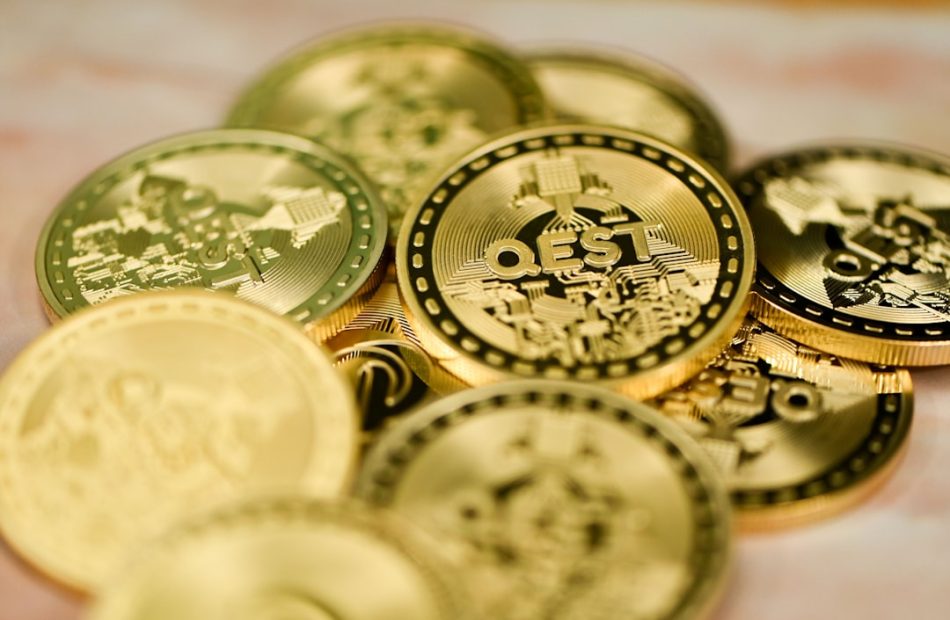
Imagine you’re holding a coin that promises total anonymity. No one can see your transactions, your balance, or your trading history. Sounds like the ultimate crypto dream, right? But here’s the catch — that same feature that makes privacy coins so appealing is exactly what puts them in the crosshairs of regulators worldwide. For traders, understanding these regulatory risks isn’t just about staying legal; it’s about protecting your portfolio from sudden delistings, liquidity crashes, and massive price swings. Let’s break down what you need to know before you trade privacy coins.
How Privacy Coins Work
Privacy coins like Monero (XMR), Zcash (ZEC), and Dash use advanced cryptography to obscure transaction details. Unlike Bitcoin or Ethereum, where every transaction is visible on a public ledger, privacy coins hide sender, receiver, and amount. This is achieved through technologies like ring signatures, stealth addresses, and zero-knowledge proofs. For traders, the appeal is clear: financial privacy. But for governments, this same technology raises red flags about money laundering, tax evasion, and illicit finance.
The Regulatory Landscape: The Setup
Regulators are increasingly targeting privacy coins. The Financial Action Task Force (FATF) has issued guidelines urging countries to regulate virtual asset service providers (VASPs) that handle privacy coins. Major exchanges like Coinbase, Kraken, and Binance have already delisted privacy coins in certain jurisdictions. For example, in 2023, Binance removed Monero and several other privacy coins from its platform in several European countries. The setup is simple: when a major exchange delists a coin, liquidity dries up, and prices often plummet. As a trader, you need to be aware of which coins are on the regulatory radar and which exchanges still support them.
The Strategy Explained
So how do you trade privacy coins without getting caught off guard? Here’s a simple framework:

1. Monitor Regulatory News: Follow announcements from FATF, the SEC, and major exchanges. A single tweet or press release can trigger a 20-30% drop.
2. Check Exchange Support: Before buying, verify that your exchange supports the coin in your country. Use CoinGecko or CoinMarketCap to see which exchanges list it.
3. Use Stablecoins for Entry/Exit: When trading privacy coins, consider using stablecoins (USDT, USDC) to avoid unnecessary exposure to other volatile assets.
4. Set Stop-Losses Tight: Because privacy coins are more susceptible to regulatory shocks, set stop-losses at 5-10% below your entry to limit downside.
5. Diversify Wisely: Don’t put all your capital into privacy coins. Allocate only a small portion (e.g., 5-10% of your portfolio) to this high-risk sector.
Risk Management
Risk management is non-negotiable here. Privacy coins can be delisted with little warning, causing permanent loss of liquidity. Always:
- Use cold storage for long-term holds to avoid exchange insolvency risks.
- Avoid margin trading on these coins — leverage amplifies losses during regulatory sell-offs.
- Stay informed about upcoming hard forks or protocol upgrades that might affect privacy features.
- Have an exit plan: If a major exchange announces a delisting, sell immediately or move coins to a decentralized exchange (DEX) that still supports them.
Conclusion
Privacy coins offer a unique value proposition in the crypto space, but they come with a target on their back. As a trader, your job isn’t to fight regulators — it’s to adapt. By staying informed, managing risk, and using smart entry/exit strategies, you can still participate in this niche market without getting burned. Remember, in crypto, the biggest risk is often the one you didn’t see coming. Stay sharp, trade smart, and keep your portfolio safe.
Tokenized Real Estate: How to Invest with $50
Tokenized real estate is transforming the way everyday investors access property markets. By converting real-world assets (RWAs) into digital tokens on a blockchain, platforms allow you to buy fractional ownership in commercial or residential properties for as little as $50. This guide explains the off-chain vs on-chain difference, the technical process, and the risks and rewards of this emerging asset class.
What Is Tokenized Real Estate?
Tokenized real estate refers to the process of representing legal ownership or economic rights to a physical property through blockchain-based tokens. Each token corresponds to a fraction of the underlying asset, enabling fractional ownership. The key distinction is between off-chain assets (the physical building, legal title, and rental income) and on-chain tokens (digital representations that trade on decentralized exchanges or specialized platforms). Smart contracts, oracles, and special purpose vehicles (SPVs) bridge these two worlds.
How It Works: The Technical Process
The tokenization of real estate follows a structured workflow:
- Asset Selection & Legal Structuring: A property is identified, and an SPV (Special Purpose Vehicle) is created to hold the legal title. This SPV issues tokens representing shares in the entity.
- Tokenization: The SPV’s shares are minted as digital tokens on a blockchain (e.g., Ethereum, Polygon, or a regulated network). Each token typically represents a fixed percentage of ownership or a claim on rental income.
- Oracle Integration: Real-world data—such as property valuations, rental payments, and occupancy rates—is fed on-chain via oracles (e.g., Chainlink) to ensure transparency and accurate token pricing.
- Secondary Market Trading: Investors can buy and sell tokens on compliant exchanges or decentralized platforms, providing 24/7 liquidity that traditional real estate lacks.
Investment Analysis: Pros, Cons, and Risks
Tokenized real estate offers compelling advantages but also carries unique risks.
Pros
- Low Entry Barrier: Invest with as little as $50, democratizing access to institutional-grade properties.
- Liquidity: Tokens can be traded on secondary markets, unlike traditional property that may take months to sell.
- Transparency: All transactions and ownership records are immutable on the blockchain.
- Diversification: Spread small amounts across multiple properties, geographies, and asset types.
Cons
- Regulatory Uncertainty: Securities laws vary by jurisdiction; tokens may be classified as securities, requiring compliance.
- Smart Contract Risk: Bugs or exploits in the token contract could lead to loss of funds.
- Illiquidity of Underlying Asset: While tokens trade, the physical property remains illiquid; token price may deviate from net asset value.
- Management Fees: Platforms charge fees for property management, token issuance, and trading.
For a broader market view, check out our analysis on Trading Breakouts vs Fakeouts: How to Spot the Difference and Avoid the Trap. Investors often compare this to Private Credit on Blockchain: Earning High Yields.
Tool Recommendation
If you are looking for altcoin opportunities and smooth trading, try KuCoin. KuCoin offers a wide range of tokenized real estate tokens and other RWA projects, with competitive fees and a user-friendly interface. Start trading on KuCoin here.
Frequently Asked Questions
Is tokenized real estate legal?
Yes, but it depends on the jurisdiction. Most regulated platforms use SPVs and comply with securities laws (e.g., SEC Regulation D or Regulation A+ in the U.S.). Always verify the platform’s legal structure and licensing.
What happens if the property loses value?
Token holders bear the same economic risk as traditional property owners. If the property’s market value declines, the token price will likely follow. However, diversification across multiple tokens can mitigate this risk.
Can I sell my tokens anytime?
Most platforms offer secondary trading, but liquidity depends on demand. Some tokens may have lock-up periods or limited buyers. Check the platform’s liquidity provisions before investing.
Conclusion
Tokenized real estate represents a paradigm shift in property investment, lowering barriers and increasing liquidity. While regulatory and technical risks remain, the asset class is gaining traction with institutional players like BlackRock and data from RWA.xyz showing billions in tokenized assets. For investors with $50, it offers a practical entry point into real estate—but due diligence on platform legality, token structure, and fees is essential.
The Rise of AI Agents in Crypto: A Complete Guide
Artificial intelligence and cryptocurrency are converging in powerful ways, with AI agents emerging as one of the most transformative trends in the blockchain space. These autonomous programs can trade, analyze data, manage portfolios, and even interact with smart contracts—all without human intervention. In this complete guide, we’ll explore what AI agents are, how they work in crypto, and what opportunities they present for traders and investors.
Key Concepts
- What Are AI Agents? AI agents are software programs that use machine learning and natural language processing to perform tasks autonomously. In crypto, they can execute trades, monitor market conditions, and interact with decentralized applications (dApps).
- How AI Agents Work in Crypto: These agents connect to blockchain networks via APIs, analyze on-chain data, and make decisions based on predefined strategies or real-time learning. They can also use oracles to access off-chain data.
- Use Cases: Automated trading bots, yield farming optimization, portfolio rebalancing, NFT valuation, and even AI-powered DAO governance.
- Risks: Smart contract bugs, market manipulation, over-reliance on black-box models, and regulatory uncertainty.
Pro Tips
- Start Small: Test AI agents with minimal capital to understand their behavior before scaling up.
- Audit the Code: Always review or use audited smart contracts for agent-based strategies.
- Diversify Strategies: Don’t rely on a single agent—use multiple agents with different risk profiles.
- Monitor Continuously: Even autonomous agents need oversight—set alerts for unusual activity.
💡 Pro Tip
Looking for altcoin opportunities and smooth trading? Try KuCoin.
FAQ Section
What is an AI agent in crypto?
An AI agent is an autonomous program that uses artificial intelligence to interact with blockchain networks, execute trades, manage assets, or perform other tasks without human input.
Are AI agents safe to use?
They can be safe if built on audited smart contracts and used with proper risk management. However, they carry risks like any automated system, including technical failures and market volatility.
Can AI agents replace human traders?
Not entirely. AI agents excel at speed and data processing, but human judgment is still crucial for strategy design, risk assessment, and adapting to unexpected market events.
How do I start using an AI agent?
You can use platforms like KuCoin that offer trading bots, or deploy custom agents via Web3 frameworks. For more details on this, check out our guide on What the Senate Ban on Prediction Market Betting Means for Crypto Users.
Conclusion
AI agents are reshaping the crypto landscape by bringing automation, efficiency, and intelligence to trading and DeFi. While they offer exciting opportunities, they also require careful due diligence and ongoing monitoring. As the technology matures, AI agents will likely become a standard tool for both retail and institutional crypto participants. You might also be interested in reading about Understanding Gas Fees: How to Save Money on Ethereum.
Iowa Signs Crypto ATM Licensing and Oversight Bill Into Law
May 8, 2026 — Iowa has signed a new law requiring crypto ATM operators to obtain money transmission licenses and comply with expanded state oversight. Governor Kim Reynolds signed SF2296 on May 6, 2026, giving state authorities broader enforcement powers to combat consumer fraud tied to digital financial kiosks.
Immediate Details & Direct Quotes
Low fees are crucial when trading breaking news. We recommend MEXC for tight spreads and fast execution.
The legislation mandates that operators must hold a money transmission license before owning, operating, marketing, or facilitating crypto ATMs across Iowa. The law updates fee disclosure rules, requires location reporting, and classifies violations as unlawful practices under Iowa’s consumer protection statutes.
Iowa Attorney General Brenna Bird stated: “Finally, we continue to fight to protect Iowans from the scammers who prey on them through crypto ATMs.”
Kiosk businesses must now provide the Iowa Division of Banking with each site they operate. Any site changes must be reported within 30 calendar days, and the division will publish each list online for public access.
The 2026 measure follows SF449, which Governor Reynolds signed in May 2025 and took effect July 1, 2025. That earlier law targeted crypto ATM scams through transaction limits, refund requirements, fee caps, fraud warnings, customer support rules, and detailed receipt requirements.
Market Context & Reaction
Enforcement authority rests with the Iowa Attorney General when there is reasonable belief a violation occurred. The office may seek injunctions, compel compliance, and pursue civil penalties of up to $10,000 per violation involving digital financial asset kiosks.
Fee provisions changed under the new rules. Businesses must disclose the dollar amount of all charges collected in a digital financial asset transaction. The statute also replaces certain exchange-price references with the prevailing market value of the asset at the transaction time.
Bird added: “Thank you to the legislature for passing these bills with huge bipartisan support and to Governor Reynolds for signing them into law.”
Under SF449, kiosk users cannot transfer or receive more than $1,000 per calendar day through a machine. New consumers are limited to $10,000 in aggregate transactions during their first 30 days with a specific operator. The law requires operators to issue refunds when users are fraudulently induced into transactions, if victims report fraud within 90 days and provide required documentation.
Background & Historical Context
Violations are now treated as unlawful practices under Iowa consumer protection provisions. The measure permits penalties of up to $100,000 for violating injunctions tied to digital financial asset kiosk enforcement actions. The law took effect upon enactment and applies to civil actions commenced on or after that date.
The legislation arrives as multiple states increase scrutiny of crypto ATM activity tied to fraud complaints and financial exploitation cases. During the 2025 House debate, Representative Shannon Lundgren stated an Iowa Attorney General investigation found Iowans had lost about $20 million to crypto ATM scams over the prior three years.
Iowa’s updated framework increases state supervision of kiosk businesses while applying licensing and reporting standards similar to other money transmission services.
What This Means
Crypto ATM operators in Iowa now face mandatory licensing and stricter reporting requirements. Operators must register kiosk locations and comply with fee disclosure rules immediately.
The enforcement framework gives state authorities tools to pursue violations through injunctions and civil penalties. Users benefit from transaction caps, refund protections, and fraud reporting windows.
This regulation signals increased state-level oversight of crypto kiosks nationwide. Other states may follow Iowa’s approach to licensing and consumer protection measures.
—

Airdrop Farming: How to Harvest Free Tokens Without Getting Rekt
Imagine waking up to a notification that a project you barely remember has just deposited $5,000 worth of tokens into your wallet. That’s the dream of airdrop farming. But the reality? Most beginners chase every free token they see, get burned by gas fees, or fall for scams. Today, I’m going to show you a simple, repeatable strategy to farm airdrops like a pro—without losing your shirt.
How It Works
Airdrops are free token distributions by new blockchain projects to reward early adopters, testers, or loyal users. The goal is to get you to interact with their protocol before they launch their token. Your job? Become a valuable user without overpaying for the privilege.
The key principle: Quality over quantity. Focus on projects with real funding, a clear roadmap, and a large community. Check platforms like DefiLlama, CoinMarketCap, or Twitter for hints of upcoming airdrops. Look for words like “retroactive” or “season”—those are gold.
The Setup
Step 1: Wallet Prep
Create a fresh wallet (MetaMask or Phantom) just for farming. Never use your main wallet. Label it clearly.
Looking for altcoin opportunities and smooth trading? Try KuCoin.
Step 2: Fund with Small Amounts
Deposit only what you can afford to lose—usually $50–$200 in ETH, BNB, or SOL. Gas fees can eat you alive on Ethereum, so consider Layer 2s like Arbitrum or Optimism.

Step 3: Identify Promising Projects
Look for:
- Active testnets (e.g., zkSync, Scroll)
- Protocols with a token but no airdrop yet (e.g., LayerZero, StarkNet)
- DeFi apps that reward liquidity providers (e.g., Pendle, Maverick)
Step 4: Execute the Interactions
Most airdrops reward:
- Transactions: At least 3–5 swaps or bridges
- Liquidity: Providing a small amount (e.g., $10–$50) for a week
- NFTs: Minting free or cheap NFTs on testnets
- Governance: Voting on proposals (if available)
Step 5: Track and Repeat
Use a spreadsheet or tool like DeBank to monitor your interactions. Repeat for multiple projects, but never spread too thin—focus on 3–5 high-conviction plays.
Risk Management
Airdrop farming is not risk-free. Here’s how to stay safe:
1. Never connect your main wallet to unknown dApps. Use a dedicated wallet with minimal funds.
2. Watch out for phishing links. Only interact through official project websites or verified Twitter accounts. Bookmark them.
3. Gas fees can exceed rewards. Calculate if the potential airdrop value justifies the cost. On Ethereum, skip projects that require $100+ in gas for a $50 expected return.
4. Don’t chase hype. If everyone is talking about a project, the airdrop may already be priced in. Look for undiscovered gems.
5. Be patient. Airdrops can take months. Don’t sell early or abandon the wallet. Some of the biggest payouts (like Uniswap or Arbitrum) came to users who held on.
Conclusion
Airdrop farming is one of the few ways to earn truly free crypto—if you do it right. Start small, use a separate wallet, focus on quality projects, and manage your gas costs. Remember: the farmers who harvest the most are the ones who plant the seeds early and tend them patiently. So go ahead, set up that wallet, and start interacting. Your future self might just thank you with a deposit you never saw coming.
Bitcoin Layer 2s: Stacks, Lightning, and Runes Guide
Bitcoin, the world’s first cryptocurrency, has long been criticized for its limited scalability and lack of smart contract functionality. However, the rise of Bitcoin Layer 2 solutions—such as Stacks, the Lightning Network, and the emerging Runes protocol—is transforming the network into a more versatile and efficient ecosystem. This comprehensive guide explores these technologies, their use cases, and how they are shaping the future of decentralized finance (DeFi) on Bitcoin.
Key Concepts
1. The Lightning Network
The Lightning Network is a second-layer protocol built on top of Bitcoin that enables instant, low-cost payments by creating payment channels between users. Transactions are settled off-chain, with only the final balances recorded on the Bitcoin mainnet. This makes it ideal for microtransactions, everyday payments, and reducing network congestion.
2. Stacks (STX)
Stacks is a Layer 2 blockchain that brings smart contracts and decentralized applications (dApps) to Bitcoin. It uses a unique consensus mechanism called Proof of Transfer (PoX), which anchors transactions to the Bitcoin blockchain. Stacks enables developers to build DeFi apps, NFTs, and other programmable assets while leveraging Bitcoin’s security.
3. Runes Protocol
Runes is a newer protocol that allows for the creation and transfer of fungible tokens directly on the Bitcoin blockchain. Unlike Ordinals (which focus on NFTs), Runes aims to provide a simple, efficient standard for issuing tokens like stablecoins or governance tokens, all while using Bitcoin’s security model.
Pro Tips
- Start small with Lightning: Use wallets like Phoenix or Breez to test microtransactions before scaling up.
- Stack STX for DeFi: If you want to earn yields or participate in Bitcoin DeFi, consider stacking STX tokens through platforms like StackingDAO.
- Monitor Runes development: Since Runes is still experimental, only invest what you can afford to lose and follow official documentation.
- Diversify across L2s: Each solution has unique strengths—Lightning for payments, Stacks for smart contracts, and Runes for tokenization.
FAQ Section
Q: Are Bitcoin Layer 2s safe?
Yes, they inherit Bitcoin’s security to varying degrees. Lightning uses cryptographic channels, Stacks anchors to Bitcoin via PoX, and Runes uses Bitcoin’s UTXO model. However, always use reputable wallets and platforms.
Q: Can I use Bitcoin Layer 2s for trading?
Absolutely. Lightning enables fast settlements for exchanges, Stacks supports DeFi trading, and Runes tokens can be swapped on decentralized exchanges. For more details on this, check out our guide on Privacy Coins: The Regulatory Tightrope Every Trader Should Understand.
Q: What’s the difference between Runes and Ordinals?
Ordinals are for non-fungible tokens (NFTs) on Bitcoin, while Runes is designed for fungible tokens (like USDC or governance tokens). Both use Bitcoin’s security but serve different purposes.
Conclusion
Bitcoin Layer 2 solutions are unlocking new possibilities for the world’s most secure blockchain. Whether you’re looking for instant payments via Lightning, smart contract functionality through Stacks, or tokenization with Runes, these technologies are making Bitcoin more scalable and programmable than ever. As the ecosystem matures, staying informed and experimenting with these tools can give you a competitive edge in the evolving crypto landscape. You might also be interested in reading about Trading Breakouts vs Fakeouts: How to Spot the Difference and Avoid the Trap.
Carbon Credits: How Tokenization Is Fixing the Market
Carbon credits have long been a cornerstone of global climate finance, but the market has been plagued by opacity, double-counting, and illiquidity. Tokenization—the process of representing real-world assets (RWAs) on a blockchain—is now emerging as a transformative solution. By bridging the gap between off-chain environmental projects and on-chain transparency, tokenized carbon credits promise to restore trust, unlock liquidity, and democratize access to carbon markets. This guide explores how tokenization works, its investment implications, and where the opportunity lies for both institutional and retail participants.
What Are Carbon Credits? Off-Chain vs. On-Chain
Carbon credits are tradable certificates representing the reduction or removal of one metric ton of carbon dioxide (or equivalent greenhouse gases) from the atmosphere. Off-chain, these credits are issued by registries such as Verra or Gold Standard, verified by third-party auditors, and traded over-the-counter (OTC) in fragmented markets. On-chain tokenization transforms these credits into digital tokens that can be traded 24/7 on decentralized exchanges, with immutable provenance recorded on a blockchain. The key difference: off-chain credits suffer from manual verification delays and limited price discovery, while on-chain tokens enable instant settlement, fractional ownership, and real-time auditability.
How Tokenization Works: The Technical Process
The tokenization of carbon credits involves a structured process that ensures legal and technical integrity:
- Origination: A carbon project (e.g., reforestation, renewable energy) generates verified emission reductions certified by a registry like Verra.
- SPV Creation: A Special Purpose Vehicle (SPV) legally holds the underlying carbon credits, isolating them from the project developer’s balance sheet.
- Tokenization: The SPV issues digital tokens (e.g., ERC-20 or similar) on a blockchain, each representing a specific carbon credit or fractional share.
- Oracle Integration: Oracles feed real-time data—such as credit retirement status, registry updates, and market prices—onto the blockchain to maintain accuracy.
- Secondary Trading: Tokens are listed on decentralized or centralized exchanges, enabling peer-to-peer trading with lower fees and faster settlement than traditional OTC markets.
Investment Analysis: Pros, Cons, and Risks
Tokenized carbon credits present a unique asset class with distinct advantages and challenges. For a broader market view, check out our analysis on What the Senate Ban on Prediction Market Betting Means for Crypto Users.
Pros
- Liquidity: 24/7 trading on global exchanges reduces the holding period compared to OTC markets, where credits can sit for months.
- Transparency: Blockchain records provide an immutable audit trail, mitigating double-counting and fraud—a persistent issue in voluntary carbon markets.
- Fractional Ownership: Retail investors can buy a fraction of a credit, lowering the barrier to entry from thousands of dollars to a few dollars.
- Programmable Compliance: Smart contracts can automate retirement (permanent removal from circulation) and ensure credits are not reused.
Cons
- Regulatory Uncertainty: Jurisdictions like the EU and US are still defining how tokenized carbon credits fit under securities or commodities laws.
- Smart Contract Risk: Bugs or exploits in token contracts could lead to loss of funds or unauthorized credit retirement.
- Verification Dependency: The quality of the underlying credit still depends on off-chain auditors; tokenization does not automatically improve project integrity.
Risks
- Market Volatility: Carbon credit prices can swing based on policy changes (e.g., the EU’s Carbon Border Adjustment Mechanism) or shifts in corporate net-zero pledges.
- Counterparty Risk: If the SPV or project developer defaults, token holders may have limited recourse.
- Liquidity Fragmentation: Multiple tokenized carbon standards (e.g., Toucan, KlimaDAO) may create confusion and reduce depth in any single pool.
Investors often compare this to Understanding Gas Fees: How to Save Money on Ethereum, as both involve navigating blockchain-specific costs and efficiencies.
Tool Recommendation
For traders and analysts seeking to monitor tokenized carbon credit price action and on-chain volume, robust charting tools are essential. For the best charting tools to spot this pattern, try Bitget. Their platform offers real-time order books, technical indicators, and historical data for carbon credit tokens listed on major exchanges.
FAQ Section
How do tokenized carbon credits differ from traditional carbon credits?
Traditional carbon credits are traded OTC with manual verification, limited liquidity, and high minimum purchases. Tokenized credits are represented as digital tokens on a blockchain, enabling 24/7 trading, fractional ownership, and transparent audit trails via smart contracts.
What are the main risks of investing in tokenized carbon credits?
Key risks include regulatory uncertainty (e.g., classification as securities), smart contract vulnerabilities, reliance on off-chain verification quality, and market volatility driven by policy changes or corporate demand shifts.
Can retail investors buy tokenized carbon credits?
Yes. Tokenization lowers the barrier to entry by allowing fractional ownership—investors can buy a portion of a single credit for a few dollars. These tokens are available on decentralized exchanges and some centralized platforms, though liquidity varies by project.
Conclusion
Tokenization is not a panacea for all carbon market flaws, but it addresses critical pain points: opacity, illiquidity, and high entry barriers. By combining blockchain’s transparency with legal structures like SPVs, the market is moving toward a more efficient and trustworthy ecosystem. For investors, the opportunity lies in early-stage adoption, but due diligence on project quality, regulatory developments, and smart contract security remains paramount. As the RWA sector matures, tokenized carbon credits could become a staple in both ESG-focused portfolios and DeFi yield strategies.
Why Revenge Trading Is Your Worst Enemy (And How to Stop)
You just took a loss. It stings. Your first instinct is to jump back in and win it all back—right now. That feeling is the siren call of revenge trading, and it’s one of the fastest ways to blow up your account. Let’s break down what it is, why it’s so dangerous, and how you can escape its grip.
What Is Revenge Trading?
Revenge trading is when you enter a trade not because of a solid setup, but because you’re angry, frustrated, or desperate after a loss. You want to “get even” with the market. The problem? The market doesn’t care about your feelings. It will punish you again—harder.
Why It’s So Tempting
Losses trigger an emotional response. Your brain releases stress hormones, and your ego screams, “You were right!” So you override your rules, increase your position size, and chase a trade that isn’t there. This is classic cognitive bias in action—specifically the “sunk cost fallacy” and “loss aversion.”
How to Spot Revenge Trading
Look for these red flags in your own behavior:

- You enter a trade immediately after a loss, without waiting for a setup.
- You double or triple your normal position size.
- You ignore your stop-loss or move it wider.
- You feel a knot in your stomach or a rush of anger.
The Simple Setup to Stop It
Here’s a concrete strategy to break the cycle:
1. The 15-Minute Rule: After any loss, step away from your screen for at least 15 minutes. Go walk, drink water, or breathe. This resets your emotional state.
2. The Trade Journal Pause: Before your next trade, write down one sentence: “Why am I taking this trade?” If the answer isn’t a clear, pre-defined setup, don’t enter.
3. Risk a Maximum of 1%: Never risk more than 1% of your account on a single trade, especially after a loss. This caps the damage and keeps you alive.
Risk Management: Your Shield
Risk management isn’t just about stop-losses—it’s about managing your mind. Set a daily loss limit (e.g., 3% of your account). If you hit it, you’re done for the day. No exceptions. This protects you from revenge trading because you physically can’t trade anymore.
Also, use position sizing that makes every loss feel small. If losing a trade makes you anxious, your position is too big. Scale down until you can take a loss without flinching.
The Bottom Line
Revenge trading is a psychological trap, not a strategy. The market will always be there tomorrow. By taking a break, journaling your emotions, and enforcing strict risk limits, you turn a losing habit into a disciplined edge. Remember: the best revenge is a healthy, growing account.
Bitcoin Layer 2s: Stacks, Lightning, and Runes Guide – Scaling Bitcoin for DeFi and Payments
Introduction
Bitcoin, the world’s first and most secure cryptocurrency, has long faced scalability challenges. While its base layer is unmatched in security and decentralization, it processes only a handful of transactions per second. Enter Bitcoin Layer 2 solutions – protocols built on top of Bitcoin that extend its capabilities without compromising its core principles. This guide explores three key Layer 2 innovations: Stacks (for smart contracts and DeFi), Lightning Network (for instant, low-cost payments), and Runes (for efficient token issuance). Whether you’re a developer, investor, or curious user, understanding these layers is essential to navigating the next phase of Bitcoin’s evolution.
Key Concepts
1. Stacks (STX) – Smart Contracts for Bitcoin
Stacks is a Layer 1 blockchain that connects to Bitcoin via a unique mechanism called Proof of Transfer (PoX). It enables smart contracts and decentralized applications (dApps) while anchoring its security to Bitcoin’s hash power. Key features include:
- Clarity Smart Contracts: A predictable, decidable language that prevents reentrancy attacks.
- Bitcoin-Backed Assets: sBTC, a 1:1 Bitcoin peg, allows Bitcoin to be used in DeFi on Stacks.
- Nakamoto Upgrade: Faster block times (5 seconds) and improved finality.
2. Lightning Network – Instant, Scalable Payments
The Lightning Network is a second-layer payment protocol that operates on top of Bitcoin. It creates a network of payment channels, enabling near-instant transactions with minimal fees. Core concepts:
- Payment Channels: Two parties lock funds in a multi-signature address and transact off-chain.
- HTLCs (Hashed Time-Locked Contracts): Enable trustless routing across multiple channels.
- Wumbo Channels: Larger channel capacities for high-volume use cases.
3. Runes – Efficient Token Protocol
Runes is a new token standard on Bitcoin that allows users to create and transfer fungible tokens directly on the Bitcoin blockchain. Unlike BRC-20 (which uses Ordinals), Runes is designed for efficiency and simplicity:
- UTXO-Based: Tokens are stored in Bitcoin’s UTXO model, reducing blockchain bloat.
- No Native Token: No need for a separate token to pay fees – uses Bitcoin for gas.
- Mint and Transfer: Simple operations that leverage Bitcoin’s security.
Pro Tips
- Start Small with Lightning: Use wallets like Phoenix or Breez to test small payments before committing large amounts.
- Stack STX for Rewards: Stacking STX tokens earns Bitcoin rewards via PoX – a great way to earn passive income.
- Monitor Runes Projects: Runes are new; stick to audited projects and avoid FOMO on unverified mints.
- Use a Hardware Wallet: For long-term holdings of sBTC or STX, store them on a Ledger or Trezor.
FAQ Section
Q: Are Bitcoin Layer 2s safe?
A: Yes, but each has different security models. Lightning relies on channel monitoring, Stacks uses Bitcoin finality, and Runes inherits Bitcoin’s security. Always use reputable wallets and services.
Q: Can I use Bitcoin directly on Stacks?
A: Yes, via sBTC – a 1:1 Bitcoin-backed asset that can be used in DeFi protocols on Stacks.
Q: What is the difference between Runes and BRC-20?
A: Runes is UTXO-based and more efficient than BRC-20 (which uses Ordinals inscriptions). Runes reduces blockchain bloat and is simpler to implement.
Q: Do I need to run a node to use Lightning?
A: No. Non-custodial wallets like Phoenix or Breez handle channel management automatically. For advanced users, running a node (e.g., LND) offers more control.
Q: How do I earn rewards on Stacks?
A: By stacking STX tokens. You delegate STX to a stacking pool or run your own node to earn Bitcoin rewards.
Conclusion
Bitcoin Layer 2s are unlocking new possibilities for the world’s most secure blockchain. Stacks brings smart contracts and DeFi, Lightning enables instant global payments, and Runes offers efficient tokenization. Each solution addresses a specific limitation while preserving Bitcoin’s core values. As these technologies mature, they will drive the next wave of Bitcoin adoption – from microtransactions to decentralized finance. For more details on this, check out our guide on Restaking Explained: EigenLayer and Beyond | Complete Guide 2024. You might also be interested in reading about The VWAP Day Trading Strategy: Your Guide to Trading with the ‘Smart Money’.
Onchain Privacy and Accountability: How They Can Coexist, Explained
Can crypto transactions be both private and compliant? That question has divided the blockchain world for years. But according to experts at Consensus Miami 2026, the answer is a clear “yes.” Panelists from Moody’s Ratings and ChangeNOW argued that hybrid blockchain architecture and address-level monitoring can solve the privacy-accountability tension without sacrificing either goal. For crypto users navigating increasingly complex regulations, understanding this balance is crucial. This guide breaks down how onchain privacy and accountability can work together, the technology making it possible, and what it means for your transactions in 2025.
Read time: 9-11 minutes
Understanding Onchain Privacy and Accountability for Beginners
Onchain privacy refers to a user’s ability to transact on a public blockchain without exposing their real-world identity, while accountability means that transactions can still be traced and audited when necessary. Think of it like a post office box versus a home address. A PO box lets you receive mail without revealing where you live (privacy), but postal inspectors can still trace illegal packages through their tracking numbers if needed (accountability). Public blockchains like Bitcoin and Ethereum make every transaction visible to anyone, but that transparency historically came at the cost of user privacy—anyone could link your wallet address to your identity if you weren’t careful.
Why did this tension arise? Crypto’s original promise was the ability to transact without trusted intermediaries or personal identification. But as institutions entered the space, regulators demanded the same anti-money laundering (AML) and know-your-customer (KYC) standards found in traditional finance. The core question became: can you have Bitcoin’s pseudonymity while also satisfying compliance requirements?
A real-world example: ChangeNOW, a non-custodial exchange, lets users swap cryptocurrencies without mandatory KYC. But when law enforcement asks about suspicious funds, the company can trace which wallet addresses moved the money without revealing who owns those addresses. This is the coexistence model in action.
The Technical Details: How an Onchain Intelligence Layer Works
Panelists at Consensus Miami described an emerging “intelligence layer” that splits accountability work across different parts of the blockchain ecosystem. Here’s how it functions:
1. Hybrid Blockchain Architecture: Networks are divided into two types. Private permissioned blockchains handle sensitive institutional transactions with verified participants. Public permissionless chains like Bitcoin or Ethereum provide liquidity and open access. The two connect through bridges or sidechains.
2. Wallet-Address-Level Monitoring: Instead of identifying real-world identities (names, addresses, social security numbers), compliance tools track wallet addresses. This creates a pseudonymous trail that can be monitored for suspicious patterns without automatically doxxing users.
3. Blockchain Forensics Integration: Platforms use tools from firms like Chainalysis or CipherTrace to screen transactions against known illicit addresses (sanctions lists, darknet markets, hack proceeds) in real time.
4. Selective Disclosure: When authorities provide valid legal requests, platforms can share transaction data associated with specific addresses—but only the addresses, not the person behind them.
Why this structure matters for you: It means you can potentially use non-custodial services without uploading your passport, while still allowing legitimate law enforcement to pursue criminals. Your privacy isn’t absolute—but it’s much stronger than handing over your ID for every swap.
Current Market Context: Why This Matters Now
The push for onchain privacy with accountability comes at a critical moment for crypto adoption. According to Rajeev Bamra, global head of strategy for digital economy at Moody’s Ratings, institutional digital finance has grown by “over 100 or 150%” in the past 18 months. However, at roughly $35 billion, it remains a tiny fraction of the $200 trillion-plus in traditional clearing flows handled annually by conventional finance.
This gap explains why institutions demand accountability. Without it, they can’t enter the space at scale. The panel highlighted two key regulatory frameworks driving change:
- Europe’s Markets in Crypto-Assets Regulation (MiCA): Requires clear rules around asset quality, segregation, and liability for stablecoin issuers and crypto service providers.
- The U.S. GENIUS Act: A proposed framework asking similar fundamental questions about custody, capital requirements, and consumer protection.
Bamra noted that while these frameworks share “regulatory convergence in intention,” they diverge sharply in execution. This fragmentation creates complexity for platforms trying to serve global users while maintaining privacy.
Competitive Landscape: How Different Approaches Compare
| Feature | Traditional Finance (KYC/AML) | ChangeNOW Model | Fully Anonymous Chains (Monero) |
|---|---|---|---|
| User Identity Required | Yes (name, address, ID) | No (wallet address only) | No |
| Transaction Traceability | Full (bank records) | Address-level mapping | Extremely difficult |
| Compliance Readiness | High (regulated banks) | Medium (works with AML providers) | Low (often blocked by exchanges) |
| Privacy Level | Minimal | Strong pseudonymity | Near-total |
| Institutional Adoption | Established | Emerging | Very limited |
| Regulatory Risk for Users | Low (compliant) | Moderate | High (many exchanges won’t list) |
Why this matters: The ChangeNOW approach occupies a middle ground that may appeal to users who want more privacy than Coinbase offers but don’t need the full anonymity of privacy coins like Monero, which many regulated platforms now avoid.
Practical Applications: Real-World Use Cases
How does onchain privacy with accountability work in practice?
- Registration-Free Swaps: Platforms like ChangeNOW let you exchange cryptocurrencies without creating an account or uploading ID. Your transaction is screened against illicit addresses, but your identity stays private.
- Institutional Custody for High-Net-Worth Individuals: Private permissioned networks allow wealthy investors to hold digital assets with institutional-grade oversight while keeping their personal details off public blockchains.
- Regulatory Reporting for Exchanges: When authorities request data, exchanges can provide wallet-level transaction records without revealing customer identities—fulfilling compliance obligations while respecting privacy.
- Cross-Border Payments for Businesses: Companies can send large value transfers through hybrid networks that verify counterparties on private chains while settling final transactions on public chains for liquidity.
- DeFi Lending with Credit Scoring: Imagine a DeFi protocol that assesses your creditworthiness based on your wallet’s history without requiring you to reveal your name or address.
Risk Analysis: Expert Perspective
Primary Risks:
1. Privacy Erosion: Address-level monitoring could eventually be combined with other data sources (IP addresses, exchange records) to de-anonymize users. The line between “address mapping” and “identity mapping” is thin.
2. Regulatory Creep: What starts as selective disclosure could expand into mandatory identity requirements, especially if regulators push for travel rule compliance on all transactions.
3. Technical Complexity: Hybrid architectures require careful engineering. Bridge vulnerabilities have led to hundreds of millions in losses (e.g., the $600 million Ronin bridge hack).
Mitigation Strategies:
- Use Multiple Wallets: Separate funds across different wallets for different purposes (trading, savings, privacy-sensitive transactions) to reduce correlation risks.
- Choose Platforms Transparent About Compliance: Look for services that clearly explain what data they share with authorities and under what circumstances.
- Monitor Regulatory Developments: Frameworks like MiCA and the GENIUS Act are still evolving. Understanding your jurisdiction’s rules helps you make informed choices.
Expert Consensus: Pauline Shangett, chief strategy officer at ChangeNOW, framed the debate as a liability issue: “The agents who should be held liable for the regulatory frameworks are agents who are dealing with emission and not transmission.” In other words, responsibility should fall on issuers and platforms, not users who are simply moving funds.
Beginner’s Corner: Quick Start Guide
If you want to preserve privacy while staying compliant, here’s how to start:
1. Understand Wallet Basics: Learn the difference between custodial wallets (exchange-controlled) and non-custodial wallets (you control the keys). Non-custodial wallets offer more privacy.
2. Choose a Non-KYC Exchange for Small Swaps: Platforms like ChangeNOW let you swap small amounts without ID. For larger amounts, you may need KYC.
3. Use a Privacy-Focused Wallet: Consider wallets like Wasabi (Bitcoin) or Railgun (Ethereum) that implement coinjoins or zero-knowledge proofs for enhanced privacy.
4. Layer 2 Solutions: Moving funds to Layer 2 networks (Lightning Network, Arbitrum) can reduce onchain footprint and improve privacy.
5. Avoid Mixers Without Research: Traditional mixing services have been shut down or compromised. If you use one, understand the legal risks in your jurisdiction.
Common Mistake to Avoid: Assuming that address-level monitoring means no one can ever identify you. If you fund your wallet from a centralized exchange with KYC, your identity is already linked to that address.
Future Outlook: What’s Next
The road ahead for onchain privacy and accountability includes:
1. Regulatory Convergence: While fragmentation exists today, expect gradual harmonization as major economies (EU, US, UK, Japan) align basic compliance standards.
2. Zero-Knowledge Proofs (ZKPs): Technologies like zk-SNARKs can prove a transaction is valid without revealing transaction details. This could allow full compliance without any privacy sacrifice.
3. Institutional Lobbying: As the $35 billion institutional market grows, expect stronger industry efforts to shape regulations that favor hybrid privacy solutions over blanket KYC mandates.
4. Self-Sovereign Identity (SSI): Users may soon hold their own credentials (verified by attestors) and selectively disclose them to platforms without uploading IDs to centralized databases.
The panel’s core message is that privacy and accountability aren’t mutually exclusive—they’re design choices. The winning platforms will be those that balance both effectively, giving users control over their data while satisfying legitimate compliance needs.
Key Takeaways
- Onchain privacy and institutional accountability can coexist through hybrid blockchain architecture and address-level monitoring that doesn’t require revealing real-world identities by default.
- Address-level monitoring maps wallet addresses, not people, allowing compliance with law enforcement requests without doxxing users.
- Regulatory convergence is happening in intention but not yet in execution, creating complexity for global platforms.
- Users can take practical steps today to preserve privacy, including using non-KYC services for small transactions and separating wallets by purpose.
,
“datePublished”: “2026-05-08T00:01:42.053-04:00”,
“dateModified”: “2026-05-08T00:01:42.053-04:00”,
“mainEntity”: {
“@type”: “Thing”,
“name”: “Onchain Privacy and Accountability”
}
}