
Understanding Gas Fees: How to Save Money on Ethereum
Ethereum gas fees can be a major pain point for traders and DeFi users, especially during network congestion. This guide explains what gas fees are, why they fluctuate, and most importantly, how you can reduce them to keep more of your profits.
Key Concepts
- Gas: A unit measuring computational effort required for transactions or smart contract execution.
- Gas Limit: The maximum gas you’re willing to spend on a transaction.
- Gas Price: The amount you pay per unit of gas, usually in gwei (1 gwei = 0.000000001 ETH).
- Base Fee: The minimum fee required for a transaction to be included in a block (burned after EIP-1559).
- Priority Fee (Tip): An optional extra fee to incentivize validators to include your transaction faster.
Pro Tips
- Time Your Transactions: Use tools like Etherscan Gas Tracker to monitor low-activity periods (e.g., weekends, early mornings UTC).
- Use Layer 2 Solutions: Arbitrum, Optimism, and zkSync offer significantly lower fees than Ethereum mainnet.
- Set Custom Gas Limits: Avoid overpaying by setting a realistic gas limit (e.g., 21,000 for simple ETH transfers).
- Leverage Gas Tokens: Tokens like CHI or GST2 can be minted when fees are low and burned to reduce costs during high fees.
- Batch Transactions: Combine multiple actions (e.g., approvals + swaps) into one transaction using smart contract wallets.
FAQ Section
Why are Ethereum gas fees so high?
High demand for block space, network congestion, and complex smart contract interactions drive up fees. EIP-1559 introduced a base fee mechanism to improve predictability, but spikes still occur during NFT mints or DeFi events.
Can I cancel a pending transaction with high gas?
Yes. You can send a new transaction with the same nonce but a higher gas price to replace it, or use a tool like MetaMask’s speed-up/cancel feature.
What is the cheapest time to use Ethereum?
Typically between 12:00 AM and 6:00 AM UTC on weekends, when network activity is lowest. Use gas tracking sites to confirm real-time conditions.
Are Layer 2 fees always lower?
Generally yes, but L2 fees can also spike during peak usage. Always compare current fees on L2 vs L1 before transacting.
For more details on this, check out our guide on Brazil Central Bank Bans Crypto Settlement in Regulated Cross-Border Payments.
You might also be interested in reading about Ethereum Foundation ETH Sales Explained: What a $23 Million OTC Deal Means for Investors.
Conclusion
Understanding gas fees is essential for anyone using Ethereum. By timing transactions, leveraging Layer 2 solutions, and using smart strategies like batching and gas tokens, you can significantly reduce costs. Stay informed and always check current network conditions before hitting send.

Ethereum vs Solana Ratio Trading: The Smart Way to Play the Rivalry
The crypto market isn’t just about buying Bitcoin and hoping for the best. One of the most powerful tools in a trader’s arsenal is ratio trading – especially between two dominant Layer-1 blockchains: Ethereum and Solana. While both are giants, they move differently, and that difference creates opportunity.
How It Works
Ratio trading doesn’t focus on the price of ETH or SOL in dollars. Instead, you trade the relative strength between them. You create a pair: ETH/SOL. When this ratio goes up, Ethereum is outperforming Solana. When it goes down, Solana is outperforming Ethereum.
The goal is simple: buy low, sell high – but on the ratio chart, not the dollar chart. You don’t care if both coins go up or down; you only care which one moves more.
The Setup
Here’s how to set up a ratio trade:
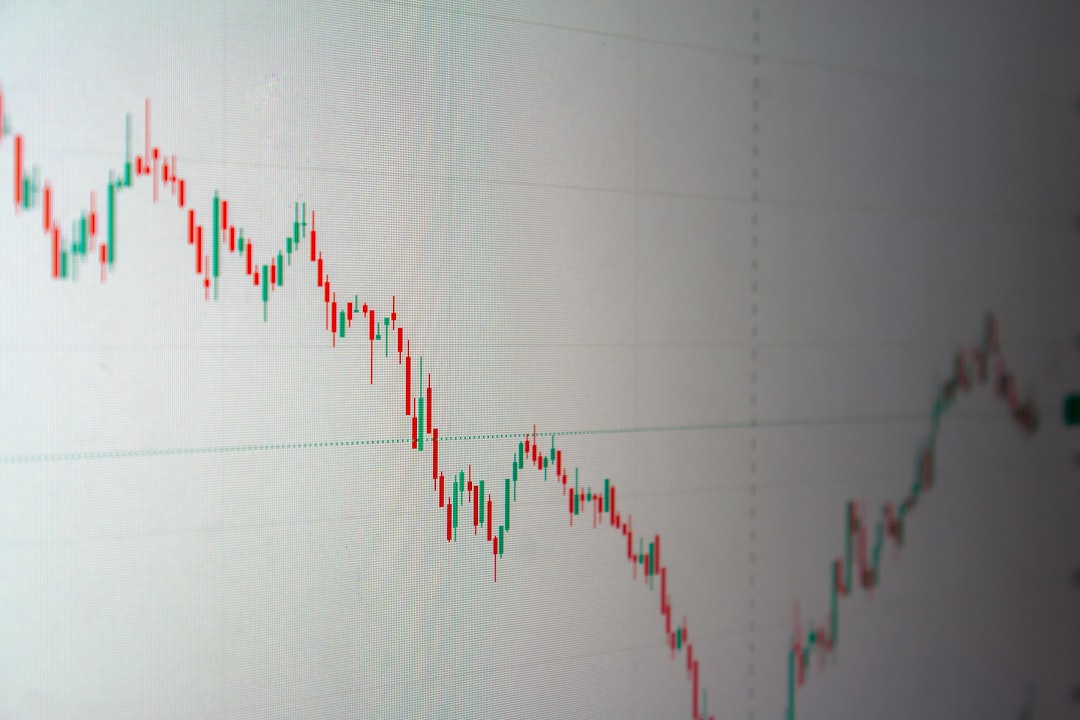
1. Find the ratio chart – On TradingView, type `ETH/SOL` or `ETHUSDT.SOLUSDT` (depending on your exchange).
2. Identify a range – Look for clear support and resistance levels on the ratio chart. These are zones where the ratio has reversed before.
3. Enter at extremes – When the ratio hits support, you buy ETH and short SOL (or buy the ratio). When it hits resistance, you short ETH and buy SOL (or sell the ratio).
4. Use a stop loss – Place it just below support (if buying) or just above resistance (if selling).
For example, in mid-2023, the ETH/SOL ratio was near 0.05 – a historical support level. Traders who bought that ratio and held through Solana’s recovery saw a massive move.
Risk Management
Ratio trading is not risk-free. Here are key rules:
- Position size: Never risk more than 1-2% of your account on a single ratio trade.
- Stop losses: Always set them. The ratio can break out of a range violently.
- Correlation risk: Both coins can crash together. If the entire market drops, your ratio trade might not save you – you need a hedge or a stop.
- Funding rates: If trading perpetual futures, watch out for funding costs. They can eat into profits over time.
Conclusion
Ethereum vs Solana ratio trading is a smart way to profit from the ongoing battle between two ecosystems without betting on the broader market direction. It’s a strategy that rewards patience, discipline, and a good eye for support/resistance levels. Start by paper trading the ratio on TradingView, then move to small real positions. Over time, you’ll develop a feel for when one chain is about to outshine the other.
Using Etherscan: Tracking Whales and Verifying Transactions – A Complete Guide
Introduction
Etherscan is the leading blockchain explorer for Ethereum, providing transparency into every transaction, wallet, and smart contract on the network. Whether you’re a seasoned trader or a curious newcomer, mastering Etherscan allows you to track whale movements, verify transaction details, and make informed decisions. This guide will walk you through the essential features, pro tips, and tools to get the most out of Etherscan.
Key Concepts
- Transaction Hash (TxHash): A unique identifier for every transaction. Use it to look up details like sender, receiver, value, gas fees, and status.
- Wallet Address: A public key (e.g., 0x…) that represents a user or contract. You can view all incoming/outgoing transactions and token balances.
- Whale Tracking: Monitoring large wallets (often holding >1% of a token’s supply) to anticipate market moves. Use Etherscan’s “Token Holdings” or “Top Holders” feature.
- Gas Tracker: Shows current gas prices (low, average, high) to help you set appropriate gas fees for your transactions.
- Contract Verification: Check if a smart contract’s source code is verified, reducing the risk of interacting with malicious contracts.
- Internal Transactions: Transactions triggered by smart contracts (e.g., when swapping on Uniswap). These are not visible on the main transaction list by default.
Pro Tips
- Set up Watch Lists: Create a free Etherscan account and add whale addresses to your watch list. You’ll receive email alerts for large transactions.
- Use the Token Tracker: For any ERC-20 token, go to its token page to see top holders, transfers, and price charts. This is a goldmine for spotting accumulation or distribution.
- Check Contract Interactions: Before approving a token spend, use Etherscan’s “Read Contract” and “Write Contract” tabs to understand what the contract does.
- Filter by Value: On a whale’s transaction history, use the filter to show only transactions above a certain ETH or USD value to avoid noise.
- Leverage the API: Developers can use Etherscan’s free API to programmatically fetch transaction data, gas prices, and more.
FAQ Section
1. Is Etherscan free to use?
Yes, Etherscan is completely free for basic browsing. Advanced features like API access or email alerts may require a free account or a paid plan for higher rate limits.
2. How do I find a whale’s wallet address?
You can find whale addresses by looking at top holders on a token’s page, following known influencers, or using third-party whale tracking tools like Whale Alert or Dune Analytics.
3. What does “unverified” contract mean?
An unverified contract means the source code has not been published on Etherscan. This is a red flag – always verify a contract’s code before interacting with it, especially if it involves large sums.
4. Can I see pending transactions on Etherscan?
Yes, the “Pending Transactions” page shows all unconfirmed transactions. You can also use the Mempool Explorer to see transactions waiting to be mined.
5. How do I track a specific token’s whale movements?
Go to the token’s page on Etherscan, click on “Holders,” and sort by balance. You can then click on any large holder to view their transaction history and set up alerts.
Conclusion
Etherscan is an indispensable tool for anyone serious about Ethereum. By learning to track whales, verify transactions, and read contract data, you can significantly reduce risk and spot opportunities before the crowd. Start exploring today – the blockchain is transparent, and the data is waiting for you.
For more details on this, check out our guide on Beyond the Hype: How to Value GameFi Projects Like a Pro.
You might also be interested in reading about Private Credit on Blockchain: Earning High Yields.
Gold-Backed Cryptos vs Physical Gold: Pros and Cons
Gold has been a store of value for millennia, but the rise of blockchain technology has introduced a new contender: gold-backed cryptocurrencies. These digital tokens represent ownership of physical gold stored in vaults, combining the stability of the precious metal with the efficiency of decentralized finance. This guide compares gold-backed cryptos and physical gold, examining their mechanics, advantages, risks, and how they fit into the broader Real World Assets (RWA) ecosystem.
How Gold-Backed Cryptos Work
Gold-backed tokens bridge the off-chain and on-chain worlds through a structured process:
- Tokenization: A custodian (e.g., a vault operator) holds physical gold bars. A smart contract issues a corresponding number of tokens on a blockchain (e.g., Ethereum or BNB Chain).
- SPV (Special Purpose Vehicle): A legal entity is created to own the gold, isolating it from the issuer’s bankruptcy risk. The SPV ensures token holders have a legal claim to the underlying asset.
- Oracles: Price oracles (e.g., Chainlink) feed real-time gold spot prices to the blockchain, enabling accurate token pricing and redemption.
- Blockchain: The tokens are traded 24/7 on decentralized exchanges (DEXs) and centralized exchanges (CEXs), offering instant settlement and fractional ownership.
Investment Analysis: Pros and Cons
Pros of Gold-Backed Cryptos
- Fractional Ownership: Buy as little as $1 worth of gold, lowering the barrier to entry compared to physical bars or coins.
- 24/7 Liquidity: Trade anytime on global crypto markets, unlike physical gold which requires business hours and shipping.
- Transparency: Blockchain records every transaction, and many issuers provide third-party audits of vault holdings (e.g., Paxos, Tether Gold).
- DeFi Integration: Use gold tokens as collateral for loans, yield farming, or as a stable store of value in volatile markets.
Cons of Gold-Backed Cryptos
- Counterparty Risk: You rely on the custodian and SPV to hold the gold honestly. If the issuer goes bankrupt or commits fraud, tokens may become worthless.
- Smart Contract Risk: Bugs in the token contract or oracle manipulation can lead to loss of funds.
- Regulatory Uncertainty: Gold tokens may be classified as securities or commodities depending on jurisdiction, affecting tax treatment and compliance.
- Storage Fees: Most issuers charge annual custody fees (0.1%–1%) that eat into returns over time.
Pros of Physical Gold
- Tangible Asset: You hold the metal directly, with no counterparty risk. It cannot be hacked or frozen.
- Historical Store of Value: Proven track record over centuries as a hedge against inflation and economic crises.
- Privacy: No blockchain trail; ownership is anonymous if purchased with cash.
Cons of Physical Gold
- Storage & Insurance Costs: Safe deposit boxes, home safes, or vault storage incur ongoing expenses.
- Illiquidity: Selling physical gold requires finding a buyer, verifying purity, and handling logistics. It is not available for instant trade.
- High Spreads: Bid-ask spreads on physical gold can be 3–5% or more, compared to <0.5% for tokenized versions on exchanges.
For a broader market view, check out our analysis on $292M Kelp DAO Hack Exposes Critical DeFi Security Gaps. Investors often compare this to The Rise of AI Agents in Crypto: A Complete Guide.
Tool Recommendation
To trade gold-backed tokens efficiently, choose an exchange with low fees and high liquidity. Low fees are crucial for this strategy. We recommend MEXC. Sign up here to access a wide range of RWA tokens, including PAXG and XAUT, with competitive maker-taker fees and 24/7 support.
FAQ
Question: Are gold-backed cryptos as safe as physical gold?
Answer: Not entirely. While they offer convenience and transparency, they introduce counterparty and smart contract risks that physical gold does not have. Always verify the issuer’s audit history and legal structure.
Question: Can I redeem my gold-backed token for physical gold?
Answer: Yes, most reputable issuers (e.g., Paxos for PAXG, Tether for XAUT) allow redemption of a minimum amount (e.g., 1 oz) for physical delivery, though fees and processing times apply.
Question: How are gold-backed tokens taxed?
Answer: Tax treatment varies by jurisdiction. In the US, they are often treated as property (like physical gold) subject to capital gains tax. Consult a tax professional for your specific situation.
Conclusion
Gold-backed cryptos offer a modern, liquid, and accessible way to invest in gold, but they come with risks that physical gold avoids. For traders and DeFi enthusiasts, tokenized gold provides unparalleled flexibility. For long-term, risk-averse investors, physical gold remains the gold standard. The choice depends on your tolerance for technology risk and need for liquidity.
Bitcoin ETF Inflows Explained: Why $1.7 Billion Matters for Crypto Investors
Did you know that institutional investors poured nearly $1.7 billion into Bitcoin ETFs in just five trading days? This recent surge marks the longest streak of positive inflows since July 2025, signaling a significant shift in how large-scale investors view cryptocurrency. For everyday crypto users, understanding this trend helps you decode market sentiment and spot potential price movements before they happen. Bitcoin ETFs—exchange-traded funds that track Bitcoin’s price—have become a key gateway for traditional investors to enter the crypto market without directly buying digital coins. This guide explains what’s driving the current inflow streak, how Bitcoin ETFs actually work, and what this means for your portfolio. You’ll learn why institutional demand matters and how to interpret these signals as a retail investor.
Read time: 10-12 minutes
Understanding Bitcoin ETFs for Beginners
A Bitcoin ETF (Exchange-Traded Fund) is a financial product that lets you invest in Bitcoin without actually owning the cryptocurrency itself. Think of it like buying shares of a gold ETF instead of storing physical gold bars in your safe. When you purchase shares of a Bitcoin ETF, you’re buying exposure to Bitcoin’s price movements through a regulated fund that holds actual Bitcoin on your behalf.
Why were Bitcoin ETFs created? They solve a major problem for traditional investors: security and complexity. Before Bitcoin ETFs existed, buying Bitcoin required setting up a crypto exchange account, managing private keys, and understanding blockchain technology—barriers that kept many institutional investors away. Bitcoin ETFs wrap cryptocurrency in a familiar, regulated package that trades on traditional stock exchanges just like Apple or Amazon shares.
A real-world example: BlackRock’s IBIT fund, which led the recent $1.69 billion inflow streak with $134.6 million in a single day. When investors buy IBIT shares, BlackRock purchases actual Bitcoin to back those shares. This creates a direct link between ETF demand and Bitcoin’s market price.
The Technical Details: How Bitcoin ETFs Actually Work
Bitcoin ETFs operate through a straightforward but carefully regulated process. Here’s the mechanism:
1. Creation and Redemption Mechanism: Authorized participants (large financial institutions) create new ETF shares by delivering actual Bitcoin to the fund. Conversely, they can redeem shares by returning them to the fund in exchange for Bitcoin.
2. Custody and Security: The ETF sponsor partners with regulated custodians—like Coinbase Custody—to store the underlying Bitcoin in cold storage (offline wallets). This eliminates the risk of hackers stealing your personal crypto.
3. Price Tracking: The ETF’s share price closely follows Bitcoin’s spot price, minus management fees (typically 0.25% to 1.5% annually). Arbitrage by authorized participants keeps the share price aligned with Bitcoin’s actual value.
4. Regulatory Compliance: U.S. spot Bitcoin ETFs must comply with SEC regulations, including regular audits, disclosure requirements, and investor protection measures. This regulatory oversight is what makes them attractive to pension funds and insurance companies.
Why this structure matters for you: The creation mechanism means that sustained ETF buying creates genuine demand for Bitcoin itself, not just paper trading. When BlackRock’s IBIT sees $134 million in inflows, that means $134 million worth of Bitcoin must be purchased from the open market—a direct price support.
Current Market Context: Why This Matters Now
The recent $1.69 billion five-day inflow streak represents the strongest institutional buying since July 2025. According to SoSoValue data, this extends the positive flow run to five consecutive sessions, with the group heading toward a sixth straight week of net inflows.
Bitcoin’s price has responded accordingly, climbing back above $81,000 after recovering from February lows near $62,000. As of this writing, Bitcoin trades in the $81,000 to $82,000 range, with technical analysts pointing to a bullish channel that has held since late March.
What’s driving this renewed institutional appetite? Several factors are converging:
- Geopolitical easing: Reports that Iran is reviewing a U.S.-backed ceasefire proposal, delivered through Pakistani intermediaries, have improved risk appetite across financial markets. The proposal includes terms for restoring trade routes near the Strait of Hormuz, though discussions on Iran’s nuclear program remain separate.
- Oil market volatility: WTI crude futures dropping toward $93 per barrel and Brent crude falling near $100 have supported demand for alternative risk assets, including cryptocurrencies.
- Technical momentum: Bitcoin’s recovery from $62,000 lows has established a clear upward channel, with the next resistance area around $84,000 to $85,000 and strong support at $80,000.
Why timing matters: This inflow streak coincides with Bitcoin testing resistance near four-month highs ($82,751). Market analysts suggest that sustained institutional buying could provide the momentum needed to break through to new levels.
Competitive Landscape: How Bitcoin ETFs Compare
While BlackRock’s IBIT dominates the flow data, several other Bitcoin ETFs compete for investor dollars. Here’s how they compare:
| Feature | BlackRock IBIT | Fidelity FBTC | Other Funds (ARKB, BITB, etc.) |
|---|---|---|---|
| Inflow Leader | Yes—$134.6M in latest session | Experienced withdrawals recently | Mixed flows, smaller individual volumes |
| Management Fee | 0.25% (reduced from 0.30% for first $5B) | 0.25% | 0.20% to 0.75% |
| Assets Under Management | Largest in category | Second largest | Smaller but growing |
| Custodian | Coinbase Custody | Fidelity Digital Assets | Various regulated custodians |
| Key Advantage | Brand trust, liquidity, marketing power | Vertical integration (Fidelity ecosystem) | Lower fees, niche appeal |
Why this matters for users: The dominance of BlackRock and Fidelity shows that traditional finance giants are winning the Bitcoin ETF race. For investors, this means choosing between:
- Brand trust (BlackRock manages $10 trillion in assets)
- Vertical integration (Fidelity handles everything from custody to trading)
- Lower fees (smaller funds compete on cost)
Practical Applications: Real-World Use Cases
Why should the average crypto investor care about ETF flows?
- Market Sentiment Indicator: Sustained ETF inflows signal institutional confidence. When large funds buy Bitcoin through ETFs, it often precedes broader market rallies. Track this alongside on-chain metrics for a complete picture.
- Portfolio Diversification: Bitcoin ETFs allow you to gain Bitcoin exposure within traditional retirement accounts (IRAs, 401(k)s) without the security hassles of self-custody. This makes Bitcoin accessible for conservative investors.
- Price Support Signal: Remember the creation mechanism—ETF inflows translate to real Bitcoin purchases. A five-day streak of $1.7 billion means $1.7 billion of Bitcoin was bought on the open market, providing concrete price support.
- Volatility Hedge: Institutional inflows tend to reduce Bitcoin’s volatility over time. As more regulated money enters, the market becomes less susceptible to sudden retail-driven swings.
- Regulatory Validation: Continued inflows suggest regulators are comfortable with the ETF structure. This paves the way for more crypto financial products (Ethereum ETFs, Solana ETFs, etc.).
Risk Analysis: Expert Perspective
Primary Risks to Consider:
1. Inflow Reversal: Inflows can turn to outflows just as quickly. If the streak breaks, the same mechanism that pumps prices can accelerate declines as funds sell Bitcoin to meet redemptions.
2. Geopolitical Sensitivity: As seen with Iran negotiations, ETF flows are highly sensitive to geopolitical news. A breakdown in talks or new tensions could reverse the trend.
3. Concentration Risk: BlackRock’s dominance means one fund’s decisions disproportionately affect the market. A single bad event (custody issue, regulatory action) could have outsized impact.
4. Fee Drag: While fees are low, they’re still fees. Over long periods, ETF investors pay a small but compounding cost compared to holding Bitcoin directly.
Mitigation Strategies:
- Use ETF flows as one data point among many (on-chain volumes, exchange balances, options market data)
- Diversify across multiple ETF providers if you invest in this space
- Consider direct Bitcoin ownership for long-term holders who value self-custody
Expert Consensus: The current inflow streak is a positive signal but should be viewed in context. Institutional demand has returned alongside favorable geopolitical conditions and technical support levels. However, the market remains sensitive to external shocks.
Beginner’s Corner: How to Monitor ETF Flows
Want to track Bitcoin ETF inflows yourself? Here’s a quick guide:
1. Visit SoSoValue or similar data providers to see daily inflow/outflow figures
2. Identify the trend: Is it a single-day spike or a sustained streak? Current five-day streak is significant
3. Compare to price action: Are inflows correlating with price increases? If yes, the trend has momentum
4. Watch for divergence: If Bitcoin price rises but ETF flows turn negative, it’s a potential warning sign
Common Mistakes to Avoid:
- Don’t react to a single day of data—look for patterns over weeks
- Don’t assume inflows always mean immediate price gains—markets can be forward-looking
- Don’t ignore the broader context (geopolitics, macroeconomics, on-chain data)
Where to Learn More: Check CryptoSimplified’s glossary for terms like “ETF,” “custody,” and “institutional investor.”
Future Outlook: What’s Next
The current inflow streak has several potential catalysts on the horizon:
1. Continued Geopolitical Easing: If Iran negotiations progress and oil volatility subsides, risk appetite could improve further, drawing more institutional capital into Bitcoin ETFs.
2. Technical Breakout: With Bitcoin testing resistance near $82,000-$83,000, sustained ETF inflows could provide the momentum for a move toward $84,000-$85,000 and potentially higher.
3. Regulatory Clarity: The SEC’s approval of spot Bitcoin ETFs was a watershed moment. Further positive regulatory developments (Ethereum ETFs, clearer stablecoin rules) could boost the entire crypto ecosystem.
4. Economic Factors: If traditional markets remain volatile (oil, gold, bonds), Bitcoin’s positioning as a “risk-on” asset could attract capital seeking higher returns.
What to Watch: The key question is whether this streak extends to a sixth consecutive week—a milestone not seen since July 2025. If it does, it would signal that institutional demand has genuine staying power.
Key Takeaways
- Bitcoin ETF inflows of $1.7 billion over five days represent the strongest institutional buying since July 2025, led by BlackRock’s IBIT fund.
- ETF purchases directly support Bitcoin’s price through the creation mechanism—every share sold requires actual Bitcoin to be bought.
- Geopolitical easing (Iran ceasefire talks) and oil market volatility have improved risk appetite for crypto among institutional investors.
- Technical indicators remain bullish with Bitcoin trading in an upward channel since March, with $80,000 support and $84,000-$85,000 resistance.
- Monitor ETF flows alongside on-chain data for a complete market picture—sustained inflows signal confidence, but reversals can accelerate declines.
Bitcoin Lenders Urge Institutional Shift Toward TradFi Standards
May 6, 2026 — Institutional bitcoin lenders are pushing for crypto credit markets to adopt traditional finance practices, prioritizing custody transparency and standardized contracts over complex DeFi structures. At Consensus 2026 in Miami, executives from Two Prime, Ledn and Lygos Finance detailed how institutional borrowers now demand clearer risk controls following the 2022 crypto credit collapses that devastated Celsius, Voyager and BlockFi.
Immediate Details & Direct Quotes
Want to trade this news? Bitget offers professional charting tools and deep liquidity.
Alexander Blume, founder and CEO of institutional bitcoin lender Two Prime, described the challenge of pitching complex crypto lending products to institutional clients. “The moment you start trying to explain how any of this stuff works, they’re just like, No… We’ll pay more. Don’t lose my money,” Blume said during the panel discussion.
The sentiment reflects a broader recalibration across crypto credit markets since 2022, when opaque leverage and aggressive rehypothecation—the practice of reusing customer collateral to generate additional yield—triggered widespread defaults. Panelists emphasized that institutional borrowers now scrutinize where bitcoin collateral is stored and whether lenders rehypothecate assets.
Adam Reeds, co-founder and CEO of Ledn, highlighted the critical question for borrowers: “The most important thing to ask… is where is your Bitcoin stored.”
Jay Patel, co-founder and CEO of Lygos Finance, noted that borrowers increasingly need to “underwrite the lender” themselves before accepting loans against their bitcoin holdings. “The biggest point in my mind is definitely the rehypothecation piece,” Patel added.
Market Context & Reaction
The push toward traditional finance-style lending marks a significant shift from the DeFi-native structures that defined crypto credit before 2022. Panelists argued that institutional finance and crypto-native finance remain fundamentally misaligned in their approach to risk management.
While DeFi evolved around permissionless access, composability and capital efficiency, institutions continue to prioritize predictability, legal accountability and operational simplicity. Blume distilled this tension into a single observation: “Our whole financial system is set up to have someone else to blame.”
Blume explained that institutional borrowers often reject crypto-native lending structures not because they oppose bitcoin, but because the operational complexity surrounding many DeFi systems remains difficult to justify to boards, shareholders and risk committees.
The panel’s consensus suggests future growth in bitcoin-backed credit will depend less on decentralization and more on convincing institutional borrowers that crypto lending can offer predictable behavior, legal accountability and identifiable intermediaries similar to the existing financial system.
Background & Historical Context
The 2022 crypto credit crisis fundamentally reshaped institutional attitudes toward digital asset lending. Celsius Network, Voyager Digital and BlockFi all collapsed under the weight of opaque leverage, aggressive rehypothecation and weak risk controls, triggering a wider credit crisis across the industry.
In the years since, many institutional borrowers have moved away from complex DeFi structures in favor of products centered on transparent custody, standardized contracts and clearly identifiable counterparties. The shift has forced bitcoin lenders to reconsider their business models.
The tension between crypto-native and institutional finance was especially visible in the rehypothecation debate, which became one of the defining risks exposed during the 2022 lending collapse. Panelists at Consensus 2026 repeatedly emphasized that institutions demand clear answers about collateral custody before committing capital.
What This Means
The near-term outlook suggests bitcoin lenders must adapt their practices to meet institutional expectations or risk losing access to significant capital flows. Standardized contracts, third-party custody audits and clear rehypothecation policies will likely become table stakes for attracting institutional borrowers.
In the longer term, the crypto credit market may evolve into a hybrid structure that retains bitcoin as collateral while adopting traditional finance operational norms. This could accelerate institutional adoption by reducing the perceived risk and complexity of digital asset lending.
For borrowers, the panel’s guidance is clear: ask where your bitcoin is stored, understand rehypothecation policies and vet lenders as carefully as traditional financial counterparties. The era of trusting opaque DeFi protocols for institutional-grade credit appears to be ending.
—
Real World Assets (RWA) Tokenization: The Bridge Between Crypto and the Real Economy
Imagine being able to trade a fraction of a Manhattan skyscraper or a rare Picasso painting with the same ease as swapping a meme coin. That’s the promise of Real World Assets (RWA) tokenization. In 2025, this sector is exploding, offering traders a unique opportunity to diversify beyond volatile crypto-native assets and tap into stable, tangible value. Let’s break down how you can trade this trend without getting lost in the hype.
How it Works
RWA tokenization is the process of converting ownership rights of a physical asset into a digital token on a blockchain. Think of it like digital shares for real estate, commodities (gold, oil), bonds, or even carbon credits. These tokens represent a legal claim to the underlying asset, making it easy to buy, sell, or trade 24/7. For traders, this means you can gain exposure to traditional markets with the speed and liquidity of crypto.
The Setup
1. Identify the RWA Platform: Look for established protocols like Ondo Finance, Centrifuge, or Maple Finance. These are the primary venues where tokenized assets are issued and traded.
Looking for altcoin opportunities and smooth trading? Try KuCoin.

2. Focus on Stable Yield Assets: Unlike wild altcoins, RWAs often generate yield. For example, tokenized U.S. Treasury bills (like those from Ondo) offer a steady APY. A simple trade idea: buy the token when the yield is attractive relative to DeFi lending rates, and hold until the yield compresses or the token price appreciates.
3. Trade the Narrative: RWA tokens often move on news of new partnerships or regulatory approvals. Watch for announcements like “Protocol X tokenizes $10M in real estate” — this can trigger a short-term price pump.
4. Use Technicals with Caution: Since many RWAs are pegged to underlying assets, their price action is less wild. But you can still use support/resistance levels on tokens like ONDO or CFG. When the token breaks above a key moving average (e.g., 50-day SMA) on high volume, it often signals institutional interest.
Risk Management
- Counterparty Risk: The platform holds the real asset. If the platform gets hacked or goes bankrupt, your token might become worthless. Stick to audited, well-known protocols.
- Regulatory Risk: Governments could change laws around tokenized assets. Diversify across jurisdictions and stay updated on SEC or EU regulations.
- Liquidity Risk: Some RWA tokens have thin order books. Avoid placing large market orders that could slip. Use limit orders and check the depth chart first.
- Peg Risk: If the token is supposed to track a real asset (like gold), verify that the issuer has a transparent redemption process. A broken peg can lead to severe losses.
- Position Sizing: Never allocate more than 10-15% of your portfolio to any single RWA project. Treat it like a stablecoin with extra upside, not a moonshot.
Conclusion
RWA tokenization is not just a fad; it’s the future of finance. By blending the stability of traditional assets with the efficiency of blockchain, it opens up a new frontier for traders. Start small, focus on yield-generating tokens, and always verify the underlying asset. The bridge between crypto and the real economy is here — are you ready to cross it?
Real World Assets (RWA): How Tokenization Changes Investing – The Ultimate 2025 Guide
Introduction
Real World Assets (RWA) are physical or traditional financial assets—such as real estate, commodities, bonds, or art—that are represented as digital tokens on a blockchain. Tokenization breaks these assets into smaller, tradeable units, making them accessible to a global pool of investors. This guide explores how RWA tokenization is reshaping investing by improving liquidity, lowering barriers to entry, and enabling fractional ownership. Whether you’re a retail investor or an institution, understanding RWA is key to navigating the next wave of decentralized finance.
Key Concepts
- Tokenization: The process of converting ownership rights of a real-world asset into a digital token on a blockchain. Each token represents a fractional share of the underlying asset.
- Fractional Ownership: Investors can buy small portions of high-value assets (e.g., a luxury apartment or a gold bar) that were previously out of reach.
- Liquidity: Tokenized assets can be traded 24/7 on secondary markets, unlike traditional real estate or private equity which often have long lock-up periods.
- Smart Contracts: Self-executing contracts on blockchain automate dividend distribution, compliance, and transfer of ownership without intermediaries.
- Regulatory Compliance: Many RWA projects incorporate KYC/AML checks and adhere to securities laws, bridging the gap between DeFi and traditional finance.
Pro Tips
- Verify the underlying asset: Always check that the RWA is backed by a real, audited asset. Look for third-party custodians or legal documentation.
- Understand the legal framework: Different jurisdictions treat tokenized assets differently. Ensure the project complies with local securities regulations.
- Assess liquidity pools: Some RWA tokens may have low trading volume. Check if the project has partnerships with major exchanges or DeFi protocols.
- Diversify across asset types: Don’t put all your capital into one RWA category (e.g., only real estate). Consider tokenized bonds, commodities, and invoices for balanced exposure.
- Use a reliable platform: Choose exchanges and wallets that support RWA tokens and have strong security measures, such as cold storage and insurance.
💡 Pro Tip
Looking for altcoin opportunities and smooth trading? Try KuCoin.
FAQ Section
What are Real World Assets (RWA) in crypto?
RWA are physical or financial assets (like real estate, bonds, or gold) that are tokenized on a blockchain, allowing for fractional ownership and digital trading.
How does tokenization change investing?
Tokenization lowers minimum investment amounts, increases liquidity, reduces intermediaries, and enables global access to assets that were previously illiquid or exclusive.
Are RWA tokens safe?
Safety depends on the project’s transparency, legal compliance, and custody of the underlying asset. Always audit the smart contract and verify the asset’s existence.
Can I trade RWA tokens on major exchanges?
Yes, many RWA tokens are listed on centralized exchanges like KuCoin, Binance, and decentralized platforms. Always check the token’s listing status and trading volume.
What is the difference between RWA and traditional securities?
RWA tokens are digital representations that can be traded 24/7 on blockchain networks, while traditional securities are typically traded during market hours through brokers. RWA also enables fractional ownership more easily.
For more details on this, check out our guide on Using Etherscan: Tracking Whales and Verifying Transactions – The Ultimate Guide.
You might also be interested in reading about Security Tokens vs Utility Tokens: RWA Investment Guide.
Conclusion
Real World Asset tokenization is not just a trend—it’s a fundamental shift in how value is transferred and owned. By breaking down barriers to entry, enhancing liquidity, and automating compliance through smart contracts, RWA opens up investment opportunities to a global audience. As the ecosystem matures, expect more traditional assets to migrate on-chain, creating a hybrid financial system that combines the best of both worlds. Start small, do your due diligence, and explore platforms that prioritize security and transparency. The future of investing is tokenized, and it’s already here.
Why AI Agents Are Becoming More Relevant Than Humans: A Complete Guide to the Agentic Revolution in Crypto
What happens when machines start making more online decisions than people? According to Charles Hoskinson, founder of Cardano and CEO of Input Output Global, that future is closer than you think. By 2035, Hoskinson predicts the majority of internet searches, commerce, and activity will be conducted by AI agents—not humans. For the cryptocurrency world, this shift represents both a massive opportunity and a fundamental challenge to how value moves online. This guide explains the agentic revolution in plain language, breaks down why Big Tech is “terrified,” and shows what it means for your crypto holdings. You’ll learn how AI agents are changing everything from DeFi interactions to advertising models—and why this might be the best thing to ever happen to cryptocurrencies.
Read time: 10-12 minutes
Understanding AI Agents for Beginners
AI agents are autonomous software programs that can perform tasks, make decisions, and execute transactions on behalf of users without direct human supervision. Think of an AI agent as a highly capable personal assistant that never sleeps—one that can browse the web, compare prices, execute trades, and manage your digital assets based on rules you set in advance.
Unlike simple chatbots that respond to commands, AI agents have agency: they can initiate actions, learn from outcomes, and adapt their behavior. Imagine telling your AI agent “find me the best DeFi yield for $10,000 USDC with moderate risk” and having it research protocols, compare APY rates, audit smart contracts, execute the transaction, and report back—all without your constant oversight.
Why was this created? The problem AI agents solve is simple: humans are slow. We sleep, we get distracted, we make emotional decisions, and we have limited attention spans. In a fast-moving crypto market where opportunities appear and disappear in seconds, AI agents can operate 24/7 with perfect discipline.
A real-world example already exists: Coinbase’s x402 protocol enables AI agents to make direct programmatic payments using stablecoins and crypto rails, bypassing traditional banking systems entirely.
The Technical Details: How AI Agents Actually Work in Crypto
Understanding how AI agents interact with blockchain systems requires breaking down a few key components:
1. Autonomous Decision-Making Layer
AI agents use machine learning models (often large language models or specialized trading algorithms) to analyze market conditions, assess risks, and determine optimal actions. This replaces human judgment with data-driven decisions.
2. Wallet Infrastructure
Each AI agent operates with a digital wallet containing crypto funds. These wallets can be programmed with specific rules—like “never spend more than 1 ETH per transaction” or “only interact with audited DeFi protocols.”
3. Smart Contract Interaction
Agents connect directly to smart contracts on blockchains like Ethereum, Cardano, or Solana. They can call functions, supply liquidity, stake tokens, and claim rewards—all through automated code rather than manual clicks.
4. Payment Rails (x402 Protocol)
The Coinbase-backed x402 protocol allows AI agents to make instant, programmatic payments using stablecoins. Instead of going through traditional payment gateways, agents can settle transactions directly on blockchain networks.
5. Verification and Trust Mechanisms
For agents to operate safely, they need on-chain identity verification and reputation systems. This is where Hoskinson’s emphasis on “owning your data and identity” becomes critical—agents can carry verifiable credentials that prove they’re authorized to act on your behalf.
[Flow diagram suggestion: Visual showing Human → AI Agent → Blockchain Network → Smart Contract → Transaction Settlement]
Why this structure matters for you: Understanding how AI agents work helps you prepare for a future where managing crypto assets becomes increasingly automated. The key decision you face is whether to delegate control to agents or maintain direct custody of your funds.
Current Market Context: Why This Matters Now
The agentic revolution isn’t theoretical—it’s already reshaping the crypto landscape. Here’s what’s happening as of mid-2026:
Adoption Metrics: Coinbase CEO Brian Armstrong recently stated that “very soon there will be more AI agents than humans making transactions.” Binance founder Changpeng Zhao went further, predicting agents “will make one million times more payments than humans.”
Institutional Shifts: JPMorgan Chase has moved from blocking crypto-related activity to developing blockchain-based products. This institutional embrace signals that major financial players see the agentic future as inevitable.
Market Impact: The core business models of Google, Amazon, and Facebook rely on human attention—specifically, humans clicking ads and developing brand loyalty. AI agents don’t click ads. They don’t have brand preferences. They evaluate products based on objective criteria. This existential threat to advertising-driven platforms explains why Hoskinson says Big Tech is “terrified.”
Development Activity: The x402 protocol represents a concrete example of crypto-native infrastructure being built specifically for AI agents. As more developers build agent-compatible tools, the ecosystem grows exponentially.
Competitive Landscape: How Major Players Compare
| Feature | Cardano (Hoskinson’s Vision) | Coinbase (x402 Protocol) | Big Tech (Google/Amazon/Facebook) |
|---|---|---|---|
| Primary Focus | Decentralized control, user-owned data | Programmatic payments for AI agents | Protecting advertising revenue models |
| AI Agent Support | Built for self-custody, identity ownership | Payment rails for autonomous transactions | Being disrupted; investing in defensive solutions |
| Key Challenge | Ecosystem fragmentation, UX complexity | Regulatory uncertainty around automated payments | Business model obsolescence (no ad revenue from agents) |
| User Control | High (users own keys, data, identity) | Medium (agents operate within Coinbase ecosystem) | Low (platform-owned data and algorithms) |
| Adoption Stage | Early development, vision phase | Live protocol with real transactions | Reactive investments to protect existing models |
Why this matters for crypto users: Your choice of platform and philosophy will determine whether you maintain control over your digital life or outsource it to intermediaries. Hoskinson’s warning is clear: “You have to own your data, your identity, and your money.”
Practical Applications: Real-World Use Cases
AI agents are already enabling new use cases across the crypto ecosystem:
- Automated DeFi Yield Optimization: Set your agent to continuously monitor lending protocols across multiple chains, moving funds to the highest-yielding opportunities while managing risk parameters.
- Intelligent Trading Execution: Program agents to execute complex trading strategies—like dollar-cost averaging, arbitrage, or portfolio rebalancing—without emotional interference or manual effort.
- Due Diligence Automation: Before investing in a new token or protocol, your AI agent can audit smart contracts, analyze tokenomics, check team backgrounds, and generate risk reports.
- Bill Payment and Subscription Management: Use agents to automatically pay recurring crypto expenses (like ENS domain renewals or NFT storage fees) without manual intervention each month.
- Cross-Chain Asset Management: Agents can manage assets across multiple blockchains, handling bridging, swaps, and rebalancing without requiring you to navigate different interfaces.
Risk Analysis: Expert Perspective
Primary Risks:
1. Loss of Direct Control: The biggest risk Hoskinson identifies is users outsourcing their assets to custodial wallets and permissioned networks. “You come to regret trusting them when your account gets shut down,” he warns.
2. Security Vulnerabilities: AI agents require wallet access and permission to execute transactions. A compromised agent or exploit in the agent infrastructure could drain funds.
3. Ecosystem Fragmentation: With 11 million tokens and dozens of competing blockchain ecosystems, achieving interoperability between agents and protocols remains a significant technical challenge.
4. Regulatory Uncertainty: As AI agents make autonomous financial decisions, questions of liability and compliance become murky. Who’s responsible when an agent makes a bad trade?
Mitigation Strategies:
- Maintain direct custody of your private keys
- Set strict spending limits and approval rules for agents
- Use hardware wallets for long-term holdings
- Keep agents on separate, limited wallets
Expert Consensus: Hoskinson and other industry leaders agree the agentic revolution is coming. The debate isn’t about if but how to manage the transition—with or without surrendering control to centralized intermediaries.
Beginner’s Corner: Quick Start Guide
How to prepare for the AI agent revolution in crypto:
1. Secure your private keys – Use a hardware wallet (Ledger, Trezor) and never share seed phrases. This is your foundation for self-custody.
2. Learn about wallet types – Understand the difference between custodial (exchange) wallets, non-custodial wallets, and smart contract wallets (account abstraction).
3. Research account abstraction – Technologies like ERC-4337 allow for programmable wallets with custom rules, making it easier to delegate specific actions to AI agents.
4. Start small – Create a separate wallet with limited funds to experiment with automated trading or DeFi yield strategies.
5. Study x402 protocol – Follow developments in programmatic payment infrastructure designed specifically for AI agents.
Common mistakes to avoid:
- Giving excessive permissions to any agent or contract
- Using the same wallet for automated agents and long-term holdings
- Ignoring the importance of on-chain identity and credentials
- Assuming “set and forget” works without periodic monitoring
Future Outlook: What’s Next
The next decade will see fundamental changes in how humans and machines interact with the internet and financial systems:
Short-term (2026-2028): Expect rapid growth in agent-compatible DeFi protocols and payment infrastructure. More exchanges and wallets will add native AI agent support. Regulatory frameworks for automated transactions will begin to take shape.
Medium-term (2028-2032): Hoskinson’s prediction suggests agents will surpass humans in search volume. Traditional e-commerce and advertising models will face existential pressure. Crypto-native identity solutions (self-sovereign identity, verifiable credentials) will become essential infrastructure.
Long-term (2032-2035+): By 2035, the majority of internet activity may be agent-driven. Cryptographic ownership and decentralized control will be critical for maintaining human autonomy in an increasingly automated digital world.
What’s confirmed: The shift is already underway with concrete protocols (x402) and institutional adoption (JPMorgan). What’s speculative: The exact timeline and whether decentralized or centralized models will dominate remains uncertain.
Key Takeaways
- AI agents will conduct the majority of online activity by 2035, fundamentally disrupting advertising-driven business models at Google, Amazon, and Facebook.
- This revolution is the “single best thing to ever happen to cryptocurrencies” according to Hoskinson, by simplifying user experience and creating new use cases for automated transactions.
- Maintaining direct control of your data, identity, and assets is crucial as AI agents become more prevalent—don’t outsource custody to intermediaries you may come to regret.
- The x402 protocol and similar infrastructure represents concrete steps toward an agent-compatible crypto ecosystem, with major exchanges and protocols already building for this future.
How to Bridge Assets Across Blockchains Safely: A Complete Guide
Bridging assets across blockchains is a fundamental skill for any crypto user. Whether you’re moving ETH to Arbitrum, USDC to Polygon, or exploring new DeFi opportunities, cross-chain bridges enable interoperability. However, bridges are also prime targets for hacks and user errors. This guide will walk you through the safest methods, key risks, and best practices for bridging assets.
Key Concepts
- Cross-Chain Bridge: A protocol that locks tokens on one chain and mints equivalent tokens on another, enabling asset transfer.
- Wrapped Tokens: Tokens like wBTC or wETH that represent an asset from another blockchain.
- Liquidity Pools: Bridges rely on pooled liquidity to facilitate swaps between chains.
- Trust Assumptions: Some bridges are centralized (custodial), while others use decentralized validators or light clients.
- Slippage & Fees: Always check gas fees, bridge fees, and potential slippage before confirming a transfer.
Pro Tips
- Always start with a small test transaction to verify the bridge works correctly.
- Use bridges with a proven track record and audited smart contracts (e.g., Stargate, Across, Hop).
- Double-check the destination address — sending to the wrong chain can result in permanent loss.
- Monitor official social channels for bridge downtime or security incidents.
- Consider using a hardware wallet for large transfers.
FAQ Section
What is the safest bridge for beginners?
For beginners, centralized bridges like Binance Bridge or official bridges from major projects (e.g., Arbitrum Bridge) are often safer due to their simplicity and support. However, always do your own research.
Can I lose funds when bridging?
Yes. Risks include smart contract exploits, phishing sites, sending to the wrong address, or network congestion causing failed transactions. Always use official links and verify contract addresses.
How long does a bridge transfer take?
It varies. Some bridges complete in minutes (e.g., Across), while others may take 15-30 minutes depending on chain finality and congestion.
Do I need native gas tokens on the destination chain?
Yes. To pay for transaction fees on the destination chain, you’ll need its native token (e.g., ETH for Arbitrum, MATIC for Polygon). Some bridges offer a “gas station” service to cover this.
For more details on this, check out our guide on Beyond the Hype: How to Value GameFi Projects Like a Pro.
You might also be interested in reading about Bitcoin Whales Accumulate as Retail Investors Sell Off.
Conclusion
Bridging assets across blockchains opens up a world of opportunities in DeFi, NFTs, and beyond. By understanding the mechanics, choosing reputable bridges, and following safety best practices, you can minimize risk and move assets with confidence. Always stay vigilant, test with small amounts, and keep your private keys secure. Happy bridging!