
Gold-Backed Cryptos vs Physical Gold: Pros and Cons
Gold has been a store of value for millennia, but the rise of blockchain technology has introduced a new way to own it: gold-backed cryptocurrencies. These digital tokens represent a claim on physical gold stored in vaults, combining the stability of the precious metal with the efficiency of decentralized finance. This guide provides a comprehensive comparison between gold-backed cryptos and physical gold, helping you decide which asset fits your investment strategy.
How Gold-Backed Cryptos Work: The Off-Chain vs On-Chain Bridge
Gold-backed tokens bridge the gap between traditional finance (TradFi) and decentralized finance (DeFi) through a process called tokenization. Here is the technical flow:
- Tokenization: A custodian (e.g., a vault operator) holds physical gold in a secure facility.
- SPV (Special Purpose Vehicle): The gold is often held within a legal SPV to isolate it from the issuer’s bankruptcy risk.
- Oracle: A trusted oracle (like Chainlink) periodically reports the gold’s audit status and price to the blockchain.
- Blockchain: The token (e.g., PAXG, XAUT) is minted on a blockchain like Ethereum, representing a specific weight of gold (usually 1 fine troy ounce).
Physical gold, by contrast, remains entirely off-chain. You must buy bars or coins, store them securely (often paying for vaulting), and verify authenticity through assays or trusted dealers. The key difference is liquidity: gold-backed tokens can be traded 24/7 on crypto exchanges, while physical gold trades during market hours and often incurs higher transaction costs.
Investment Analysis: Pros, Cons, and Risks
Pros of Gold-Backed Cryptos
- Fractional Ownership: Buy as little as $1 worth of gold, lowering the barrier to entry.
- 24/7 Liquidity: Trade tokens anytime on global exchanges, unlike physical gold which requires dealer hours.
- Transparency: Many issuers provide real-time audits via blockchain explorers and third-party attestations. Data from RWA.xyz shows that tokenized gold assets now exceed $1 billion in market cap.
- DeFi Integration: Use gold tokens as collateral for loans or earn yield in liquidity pools.
Cons of Gold-Backed Cryptos
- Counterparty Risk: You rely on the custodian to hold the gold. If the custodian is fraudulent or insolvent, the token may lose value.
- Regulatory Uncertainty: Different jurisdictions treat tokenized commodities differently. The SEC has not yet provided clear guidance on all gold tokens.
- Smart Contract Risk: Bugs in the token contract or oracle manipulation could lead to loss of funds.
- Fees: Issuers charge storage and redemption fees (typically 0.5%–1% annually), which can eat into returns.
Pros of Physical Gold
- Tangible Asset: No counterparty risk—you own the metal directly.
- Universal Acceptance: Physical gold is recognized globally as a store of value, even in crises where digital systems fail.
- No Technology Risk: No reliance on blockchain, internet, or smart contracts.
Cons of Physical Gold
- Storage & Insurance Costs: Safe deposit boxes or vaults cost money, and insurance is often required.
- Illiquidity: Selling physical gold can take time and involves bid-ask spreads of 2%–5%.
- High Entry Barrier: Buying a full ounce of gold (currently ~$2,000) is expensive for small investors.
For a broader market view, check out our analysis on Real World Assets (RWA): How Tokenization Changes Investing | Complete Guide.
Investors often compare this to Chiliz Expands Fan Tokens to Solana and Base Ahead of World Cup.
Tool Recommendation
If you decide to invest in gold-backed cryptocurrencies, you need a reliable exchange with high liquidity and strong security. Binance is a great place to start, offering tokens like PAXG and XAUT with deep order books and competitive fees. Always verify the token’s audit reports before purchasing.
Frequently Asked Questions
Question: Are gold-backed cryptos redeemable for physical gold?
Answer: Yes, most reputable issuers (e.g., Paxos for PAXG, Tether for XAUT) allow redemption of tokens for physical gold, subject to minimum redemption amounts (usually 1 ounce) and fees. Always check the issuer’s terms.
Question: What happens if the custodian goes bankrupt?
Answer: In a properly structured SPV, the gold is legally separated from the custodian’s assets. However, legal battles can delay access. Always choose issuers with a strong track record and independent audits.
Question: How are gold-backed tokens taxed?
Answer: Tax treatment varies by jurisdiction. In the US, the IRS treats gold-backed tokens as collectibles, subject to a higher long-term capital gains rate (28%) than stocks. Consult a tax professional.
Conclusion
Gold-backed cryptos offer a modern, liquid, and accessible way to own gold, but they introduce counterparty and technology risks. Physical gold remains the ultimate safe haven for those who prioritize tangibility and independence from digital systems. Your choice depends on your risk tolerance, investment horizon, and need for liquidity. For most investors, a small allocation to tokenized gold (e.g., 5% of portfolio) can provide diversification without the hassle of physical storage.
Restaking Explained: EigenLayer and Beyond – The Ultimate Guide to Crypto Restaking
Introduction
Restaking is one of the most transformative innovations in the crypto ecosystem, enabling users to reuse staked assets (like ETH) to secure multiple protocols simultaneously. This concept, pioneered by EigenLayer, dramatically increases capital efficiency and unlocks new layers of security for decentralized applications. In this guide, we break down what restaking is, how EigenLayer works, and what the future holds beyond it. Whether you’re a validator, a DeFi enthusiast, or a newcomer, this guide will help you understand the mechanics, risks, and opportunities of restaking.
Key Concepts
- Staking vs. Restaking: Staking locks tokens to secure a single blockchain (e.g., Ethereum). Restaking allows those same staked tokens to also secure other networks or services (called Actively Validated Services or AVSs) without unstaking.
- EigenLayer: A protocol built on Ethereum that acts as a marketplace for restaking. It lets ETH stakers opt-in to validate additional protocols, earning extra rewards while taking on extra slashing risks.
- Liquid Restaking Tokens (LRTs): Tokens like stETH or rETH that represent restaked positions, allowing users to stay liquid while participating in restaking. Examples include Ether.fi, Renzo, and Kelp DAO.
- Slashing Conditions: Restaked assets can be slashed if the validator misbehaves on any of the secured networks. This introduces new risk vectors that must be carefully managed.
- Beyond EigenLayer: Other projects like Babylon (for Bitcoin restaking), Picasso (for cross-chain restaking), and Symbiotic are expanding the concept to multiple blockchains, creating a multi-chain restaking ecosystem.
Pro Tips
- Start small: Restaking is still experimental. Only restake a portion of your portfolio until you understand the slashing risks.
- Diversify AVSs: Don’t put all your restaked ETH into one AVS. Spread across multiple services to reduce correlation risk.
- Monitor slashing history: Check the track record of the AVS operators you delegate to. Some are more reliable than others.
- Use LRTs for flexibility: Liquid restaking tokens let you exit quickly or use your position in DeFi, unlike native restaking which locks your ETH.
- Stay updated: The restaking landscape changes fast. Follow EigenLayer’s blog and community channels for updates on new AVSs and risk parameters.
FAQ Section
What is restaking in simple terms?
Restaking lets you use the same staked tokens to secure multiple networks at once. Think of it as earning multiple rewards from one deposit, but with extra risks.
Is restaking safe?
Restaking introduces slashing risks from multiple protocols. It’s generally considered higher risk than standard staking. Only restake what you can afford to lose, and use reputable AVSs.
How does EigenLayer differ from traditional staking?
Traditional staking secures one chain (e.g., Ethereum). EigenLayer allows your staked ETH to also secure other protocols (AVSs), earning extra yield. It’s like being a validator for multiple chains at once.
Can I restake Bitcoin?
Yes! Projects like Babylon are pioneering Bitcoin restaking, allowing BTC holders to secure PoS chains and earn yields without wrapping their Bitcoin.
What are liquid restaking tokens (LRTs)?
LRTs are tokens that represent your restaked position. They can be traded or used in DeFi, giving you liquidity while your underlying ETH is restaked. Examples include weETH (Ether.fi) and ezETH (Renzo).
What happens if an AVS gets slashed?
If the AVS you are securing experiences a slashing event, a portion of your restaked ETH can be forfeited. The exact amount depends on the slashing conditions set by the AVS.
Conclusion
Restaking, led by EigenLayer, is reshaping how we think about crypto security and capital efficiency. By allowing staked assets to secure multiple networks, it unlocks new yield opportunities and enables a more interconnected blockchain ecosystem. However, with greater rewards come greater risks—especially slashing and smart contract vulnerabilities. As the space evolves beyond EigenLayer to include Bitcoin restaking and cross-chain solutions, staying informed and cautious is key. For more details on this, check out our guide on What Metaplanet’s Massive Bitcoin Purchase Means for Crypto. You might also be interested in reading about How SPVs Protect RWA Investors: A Complete Guide.

Mastering the RSI Divergence Strategy: Your Edge in Crypto Trading
Have you ever watched a price make a higher high while your RSI indicator quietly made a lower high? That’s not a glitch—it’s a divergence, and it’s one of the most powerful signals in crypto trading. In this guide, we’ll break down the RSI Divergence Strategy step by step, so you can spot reversals early and trade with confidence.
How It Works
The Relative Strength Index (RSI) measures the speed and change of price movements. Normally, price and RSI move together. When they disagree, a divergence forms. There are two types:
- Bullish Divergence: Price makes a lower low, but RSI makes a higher low. This suggests selling momentum is weakening, and a reversal to the upside may be coming.
- Bearish Divergence: Price makes a higher high, but RSI makes a lower high. This signals buying momentum is fading, and a drop could follow.
The Setup
To trade this strategy, you’ll need:

1. A reliable charting platform (TradingView is great).
2. RSI indicator set to the default 14 periods.
3. A clear trend—divergences work best in established trends or after strong moves.
Step-by-step Entry:
- Look for a clear swing high or low on the price chart.
- Check the corresponding RSI peak or valley. If they disagree, you have a divergence.
- Wait for confirmation: a break of a trendline, a candlestick pattern (like a pin bar), or RSI crossing back above/below 50.
- Enter the trade in the direction of the anticipated reversal.
Example:
- Price makes a lower low, but RSI makes a higher low (bullish divergence). Wait for price to break above the recent swing high or for RSI to cross above 50. Then go long.
Risk Management
Divergences are not 100% accurate—they can fail, especially in strong trends. Protect your capital:
- Stop Loss: Place it just below the recent swing low (for bullish) or above the recent swing high (for bearish).
- Position Size: Risk no more than 1-2% of your account per trade.
- Take Profit: Use a 2:1 or 3:1 risk-to-reward ratio. Alternatively, trail your stop as the trade moves in your favor.
- Avoid Overtrading: Only take high-quality divergences on higher timeframes (1H, 4H, or daily).
Conclusion
The RSI Divergence Strategy is a timeless tool in any trader’s arsenal. It helps you anticipate reversals before they happen, giving you an edge in the volatile crypto markets. Practice on a demo account first, combine it with other indicators like support/resistance, and always manage your risk. Happy trading!

How to Turn FOMO from a Liability into a Trading Strategy
You know that feeling. You’re scrolling through your feed, and suddenly you see it: a coin pumping 40% in the last hour, everyone is talking about it, and you’re sitting on the sidelines. Your heart races. Your hand hovers over the buy button. That’s FOMO—Fear Of Missing Out. It is the single most expensive emotion in trading. But what if I told you that you could actually use FOMO? Not by chasing pumps, but by understanding the psychology behind it and planning your trades around it.
How it Works
FOMO in trading is a predictable emotional cycle. It starts with a sudden price spike, usually on high volume. New traders see the green candles and immediately jump in, buying at the top. The price often retraces shortly after, trapping these latecomers. The strategy here is to anticipate this behavior. Instead of chasing the move, you wait for the FOMO-driven volume to exhaust itself, and then you look for a re-entry or a short opportunity.
The Setup
Here is a simple FOMO-based setup you can apply today:
1. Identify a sudden breakout: Look for a price move of 5-10% in a very short time frame (15-30 minutes) on high volume.

2. Wait for the first red candle: After the initial pump, the first sign of weakness is a red (bearish) candle that closes below the previous candle’s close.
3. Enter on the retrace: Instead of buying the top, place a limit order near the 0.382 or 0.5 Fibonacci retracement level of that initial pump. This is where late FOMO buyers often panic sell.
4. Set a target: Aim for a 1:1 risk-to-reward ratio. If you risk 2%, target a 2% gain. The goal is not to catch the entire move, but to profit from the emotional whiplash.
Risk Management
This strategy only works if you control your own FOMO. Here are three rules:
- Never chase a move that is already 10%+ from the day’s open. The risk of a sharp reversal is too high.
- Use a stop loss. Place it just below the low of the initial pump. If the price breaks that level, the FOMO narrative is dead, and you need to exit.
- Position size appropriately. Because this is a high-frequency, quick-profit strategy, keep your position size small (1-2% of your portfolio per trade). One bad trade should never wipe out five good ones.
Conclusion
FOMO doesn’t have to be your enemy. By recognizing it as a predictable market force, you can flip the script. The key is patience. Let other traders act on impulse, and you act on a plan. The market will always offer another opportunity. Your job is to be ready for it—not to chase the last one. Stay disciplined, stay calm, and let the FOMO work for you.
Chiliz Expands Fan Tokens to Solana and Base Ahead of World Cup
April 28, 2026 — Chiliz is expanding its roster of over 70 fan tokens to Solana and the Coinbase-developed Ethereum layer-2 network Base, the company announced Tuesday. The sports-focused blockchain aims to boost trading volume ahead of this summer’s FIFA World Cup, transitioning from its own layer-1 network launched in 2023 to what it calls “omnichain distribution.”
Immediate Details & Direct Quotes
Want to trade this news? Bitget offers professional charting tools and deep liquidity.
Chiliz revealed the expansion via an announcement on X, explaining that the move leverages an Omnichain Fungible Token (OFT) standard. “By using an Omnichain Fungible Token (OFT) standard, fan tokens will exist on each supported chain with a unified supply, eliminating the need for wrapped tokens or fragmented liquidity pools,” Chiliz said in the statement.
Fan tokens represent digital membership within a community, such as a sports team’s fan base. Chiliz has developed over 70 such tokens, including partnerships with European soccer giants like Paris Saint-Germain, Barcelona, Manchester City and Juventus. These teams use the tokens to engage fans outside the stadium by offering exclusive rewards and voting rights on minor decisions, such as the color of players’ warm-up kits.
Chiliz already offers tokens representing the Argentina and Portugal national teams, with additional tokens expected to launch in June, according to the announcement.
Market Context & Reaction
Chiliz rolled out its proprietary layer-1 network in 2023 to host fan token trading, but the company is now pivoting to a multi-chain strategy. By expanding to Solana and Base, Chiliz seeks to give its tokens a “major trading volume boost” ahead of this summer’s FIFA World Cup, a period typically associated with heightened fan engagement and token activity.
The shift to omnichain distribution addresses liquidity fragmentation, a common issue in multi-chain token deployments. Chiliz’s OFT standard ensures unified supply across all supported chains, potentially increasing accessibility for traders on Solana and Base ecosystems. Market reaction details beyond the company’s statements were not immediately available.
Background & Historical Context
Chiliz has been a pioneer in the sports blockchain space, developing fan tokens that allow supporters to interact with their favorite teams through token-gated experiences. The company’s existing partnerships with top European football clubs have established it as a leader in the SportFi sector.
The company’s original layer-1 network, launched in 2023, was designed to host fan token trading exclusively. However, the new omnichain approach represents a strategic shift toward broader distribution and liquidity. The timing coincides with the upcoming FIFA World Cup, which typically drives significant interest in team-related digital assets.
What This Means
Fan token holders can expect improved liquidity and trading accessibility as Chiliz tokens become available on Solana and Base. The unified supply mechanism under the OFT standard should reduce fragmentation issues common in cross-chain token deployments.
Short-term, the expansion could drive increased trading volume ahead of the World Cup, particularly for tokens representing national teams like Argentina and Portugal. Long-term, the omnichain strategy may position Chiliz to onboard additional sports partners and expand its token ecosystem beyond football.
Traders should monitor upcoming token launches in June and the potential for increased volatility during the World Cup period. As always, conduct your own research before investing in fan tokens or any cryptocurrency.
—
Meme Coin Supercycles Strategy: Ride the Waves Without Getting Wrecked
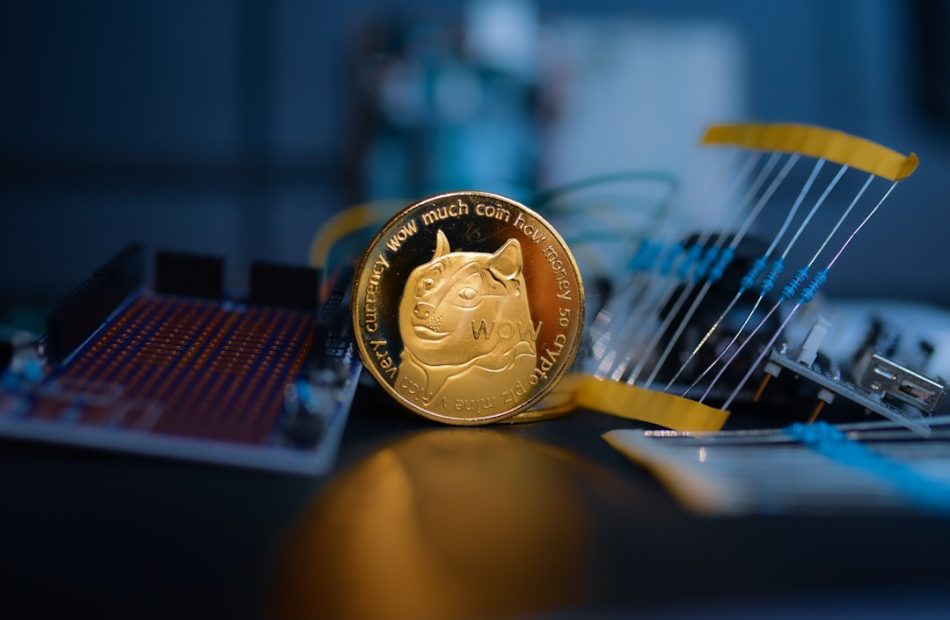
Let’s face it—meme coins are the wild west of crypto. One day a dog coin moons 1000%, the next it’s down 90%. But beneath the chaos, a pattern is emerging: the supercycle. This isn’t just about buying the hype; it’s about understanding the rhythm of meme coin markets to capture massive gains while managing risk like a pro. In this guide, I’ll break down the Meme Coin Supercycles Strategy—a framework designed for beginner to intermediate traders who want to participate in the fun without losing their shirts.
How It Works
A meme coin supercycle is a prolonged period of explosive growth, followed by a sharp correction, then a consolidation phase, and finally another leg up. Unlike traditional altcoins, meme coins are driven by community sentiment, viral narratives, and liquidity injections from retail and whales. The supercycle strategy capitalizes on these phases by entering during the accumulation zone and exiting before the inevitable crash.
The Setup
1. Identify the Narrative: Look for coins with strong community buzz (e.g., on Twitter, Telegram, or TikTok) and a clear meme theme. Avoid coins with no social proof.

2. Technical Triggers: Use a 1-hour chart with RSI (Relative Strength Index) below 30 for oversold entries, and volume spikes as confirmation. The ideal entry is when price breaks above the 20 EMA (Exponential Moving Average) with increasing volume.
3. Position Sizing: Never allocate more than 2% of your portfolio to any single meme coin trade. This keeps you safe if a coin dumps.
4. Exit Strategy: Sell 50% of your position at a 3x gain, then set a trailing stop loss at 15% for the remainder. This locks in profits while letting the supercycle run.
Risk Management
This is non-negotiable. Meme coins can drop 50% in minutes. Use these rules:
- Stop Loss: Always set a hard stop at 20% below entry. If the coin breaks support, get out.
- Take Profit: Scale out in thirds—first at 100%, second at 200%, and let the last ride with a tight trailing stop.
- Avoid FOMO: If a coin is already up 500% on the day, skip it. The supercycle entry window has passed.
- Diversify Across Narratives: Don’t bet on one meme. Spread risk across 3-4 coins in different themes (e.g., animal, political, or AI memes).
Conclusion
The Meme Coin Supercycles Strategy isn’t about getting rich overnight—it’s about stacking small, calculated wins over multiple cycles. By sticking to the setup, managing risk ruthlessly, and staying disciplined, you can profit from the chaos without being a victim of it. Remember: in meme coins, the house always wins if you don’t have a plan. So make your plan, trade it, and don’t look back. Happy trading!

The Base Chain Ecosystem Rotation: How to Surf the Waves of Layer-2 Tokens
Imagine you’re at the beach, watching the tide come in. First, the water rushes into the main channel—that’s the big, established coins like Bitcoin and Ethereum. Then, as the tide rises, it begins to fill the smaller pools and inlets. That’s exactly what happens in crypto ecosystem rotations, and right now, one of the most exciting “pools” to watch is the Base Chain.
Base, Coinbase’s Layer-2 network built on Optimism’s OP Stack, has exploded in popularity thanks to low fees, fast transactions, and a thriving DeFi and NFT scene. But here’s the key insight: money doesn’t flow into Base evenly. It rotates through different sectors of the ecosystem in predictable waves. Understanding this rotation can help you spot opportunities before the crowd.
How It Works
Ecosystem rotations happen when capital moves from one category of tokens to another within the same chain. On Base, the rotation typically follows this pattern:
1. Blue-chip Base tokens (like AERO, the native DEX token) catch the first wave of new liquidity.
2. DeFi protocols (lending, borrowing, yield aggregators) get a boost as traders look for yield.

3. Meme coins and community tokens (think DOG, BRETT, or TOSHI) surge as retail FOMO kicks in.
4. NFT and gaming projects see a delayed pump as speculative energy spreads.
The cycle then repeats. The trick is to anticipate when capital is about to leave one sector and enter the next.
The Setup
Here’s a simple, beginner-friendly strategy to trade Base Chain rotations:
Step 1: Track the “Prime Mover” – Watch the price action of AERO (Aerodrome Finance). AERO is the largest DEX on Base and often acts as the liquidity barometer. When AERO breaks out on high volume, it’s a signal that new money is entering the Base ecosystem.
Step 2: Identify the Rotation Phase – Use a tool like Dune Analytics or DexScreener to monitor trading volumes across different Base sectors. Look for:
- A surge in DeFi token volumes (like MOONWELL, COMP, or BALD).
- Followed by a rise in meme coin chatter on social media (X, Telegram).
- Finally, check if NFT floor prices on Magic Eden (Base) are increasing.
Step 3: Enter Early, Exit Before the Crowd – Once you see the rotation pattern starting:
- Buy the sector that is just starting to show volume (e.g., DeFi tokens when AERO is still pumping).
- Sell when the next sector (e.g., meme coins) becomes the dominant narrative.
Example Trade: If AERO rallies 20% in a day, immediately look at DeFi tokens like Moonwell (WELL) or Compound (COMP) on Base. Enter with a small position. When you see meme coin hashtags trending, take profit on your DeFi position and consider a small short-term play on the meme coin of the moment.
Risk Management
Rotations can be fast and violent. Here’s how to stay safe:
- Position size: Never risk more than 2% of your portfolio on a single rotation trade.
- Stop-loss: Set a tight stop-loss (5-10%) below your entry. If the rotation doesn’t happen, get out quickly.
- Take profit: Aim for 15-25% gains per rotation leg. Don’t get greedy—the rotation can reverse just as fast.
- Diversify: Don’t bet on just one token. Spread across 2-3 tokens in the sector you’re targeting.
- Stay informed: Follow Base Chain-focused accounts on X (e.g., @BuildOnBase, @AerodromeFi) for real-time sentiment shifts.
Conclusion
Ecosystem rotations on Base Chain are like riding a wave—you need to paddle hard at the right moment, then ride the momentum without wiping out. By tracking the prime mover (AERO), identifying rotation phases, and managing risk with discipline, you can capture profits from the natural flow of capital across this vibrant Layer-2 ecosystem.
Remember: the goal is not to catch every single pump, but to consistently surf the rotation waves with patience and strategy. Start small, observe the patterns, and soon you’ll be reading the Base Chain tides like a pro.
How SPVs Protect RWA Investors: A Complete Guide
Real World Assets (RWAs) — such as real estate, bonds, commodities, and credit — are being tokenized on blockchain networks, enabling fractional ownership, 24/7 liquidity, and unprecedented transparency. However, bridging the gap between traditional finance (TradFi) and decentralized finance (DeFi) introduces legal and structural risks. This is where Special Purpose Vehicles (SPVs) play a critical role in protecting investors.
What Are Special Purpose Vehicles (SPVs) in RWA Tokenization?
An SPV is a legally separate entity created to hold the underlying off-chain asset (e.g., a building or a bond) while the token represents a beneficial interest in that SPV. This structure ensures that the token holder’s claim is legally enforceable, even if the asset originator faces bankruptcy. The off-chain asset remains in the SPV, while on-chain tokens represent ownership or debt rights.
How SPVs Protect RWA Investors
1. Legal Segregation and Bankruptcy Remoteness
By isolating the asset in an SPV, the asset is ring-fenced from the originator’s creditors. If the originator goes bankrupt, the SPV’s assets are not part of the bankruptcy estate. This is a core principle of asset-backed securities in TradFi, now applied to tokenized RWAs.
2. Transparent Ownership and Audit Trails
Tokenized SPVs use smart contracts to record ownership on-chain. This provides an immutable audit trail, reducing fraud and enabling real-time verification of who owns what. Reports from RWA.xyz show that over $12 billion in tokenized assets now use SPV structures.
3. Regulatory Compliance
SPVs are typically domiciled in regulated jurisdictions (e.g., Luxembourg, Delaware) and comply with securities laws. This ensures that token offerings are either registered or qualify for exemptions (e.g., Regulation D in the U.S.). Investors benefit from legal recourse if the issuer violates terms.
4. Fractional Ownership Without Legal Complexity
Without an SPV, each token holder would need to be a direct co-owner of the asset, creating legal and administrative nightmares. The SPV holds the asset, and tokens simply represent shares or debt in that SPV — making fractional ownership practical and legally sound.
Investment Analysis: Pros, Cons, and Risks
Pros
- Legal Protection: Bankruptcy remoteness shields investors from originator insolvency.
- Liquidity: Tokens can trade on secondary markets (e.g., MEXC) 24/7, unlike traditional private placements.
- Transparency: On-chain records and regular audits reduce information asymmetry.
Cons
- Regulatory Fragmentation: SPV rules vary by country, creating compliance costs.
- Smart Contract Risk: Bugs in token contracts could lead to loss of funds.
- Oracle Dependency: Price feeds and asset valuations rely on oracles, which can be manipulated.
Risks to Consider
- Regulation: Securities laws may change, affecting token transferability.
- Counterparty Risk: The SPV manager or custodian could act maliciously.
- Market Risk: Underlying asset value can decline, impacting token price.
For a broader market view, check out our analysis on Ethereum’s Hegota Upgrade Explained: A Complete Guide to the 2026 Roadmap. Investors often compare this to The VWAP Day Trading Strategy: Your Guide to Trading with the ‘Smart Money’.
Tool Recommendation: Where to Trade Tokenized RWAs
If you’re looking to trade tokenized RWA tokens that use SPV structures, MEXC offers a robust platform with high liquidity and a wide selection of compliant tokens. Start trading on MEXC today and access a growing ecosystem of real-world asset tokens.
Frequently Asked Questions
1. What happens if the SPV manager goes bankrupt?
The SPV is legally separate, so its assets are not part of the manager’s bankruptcy estate. Token holders retain their claim on the SPV’s assets, and a new manager can be appointed.
2. Are SPV tokens considered securities?
In most jurisdictions, yes — because the token represents an investment in a common enterprise with an expectation of profit. Issuers must comply with securities laws or qualify for exemptions.
3. How do I verify that an RWA token is backed by a real SPV?
Look for public legal opinions, audited SPV documents, and on-chain attestations. Reputable projects publish their SPV formation documents and custodian agreements on their websites.
Conclusion
SPVs are the backbone of secure RWA tokenization, providing legal protection, transparency, and regulatory compliance. While risks like smart contract bugs and regulatory changes remain, the SPV structure significantly reduces the chance of catastrophic loss. For investors seeking exposure to tokenized real-world assets, understanding SPVs is essential. Platforms like MEXC make it easy to trade these tokens with confidence.
What is Impermanent Loss? Liquidity Providing Explained
Impermanent loss is a key risk for liquidity providers in automated market maker (AMM) protocols. It occurs when the price of tokens in a liquidity pool changes compared to when you deposited them, leading to a temporary loss in value. Understanding this concept is essential for anyone looking to earn passive income through decentralized finance (DeFi).
Key Concepts
- Liquidity Pools: Pools of tokens locked in smart contracts that facilitate trading on decentralized exchanges like Uniswap or PancakeSwap.
- Automated Market Makers (AMMs): Algorithms that set token prices based on the ratio of assets in a pool, rather than using an order book.
- Impermanent Loss: The difference in value between holding tokens in a liquidity pool versus simply holding them in your wallet, caused by price divergence.
- Constant Product Formula: The most common AMM formula (x * y = k), where x and y are token reserves and k is a constant. Price changes force rebalancing of the pool, leading to impermanent loss.
- Volatility: Higher price volatility between paired tokens increases the potential for impermanent loss.
Pro Tips
- Choose stablecoin pairs (e.g., USDC/DAI) to minimize impermanent loss, as their prices remain relatively constant.
- Provide liquidity to pools with high trading fees to offset potential losses.
- Monitor price divergence regularly and consider withdrawing if the loss becomes significant.
- Use impermanent loss calculators available on DeFi analytics sites to estimate risks before depositing.
For more details on this, check out our guide on Security Tokens: Utility vs Security Tokens Explained.
You might also be interested in reading about The Golden Cross: Your First Step to Riding Major Crypto Trends.
FAQ Section
What causes impermanent loss?
Impermanent loss happens when the price ratio of tokens in a liquidity pool changes. The AMM algorithm rebalances the pool, causing you to end up with more of the depreciated token and less of the appreciated one.
Is impermanent loss permanent?
No, it is called ‘impermanent’ because it can reverse if token prices return to their original ratio. However, if you withdraw while prices are still diverged, the loss becomes permanent.
How can I avoid impermanent loss?
Use stablecoin pairs, provide liquidity to pools with low volatility, or consider single-sided liquidity protocols. Also, choose pools with high trading fees to compensate for potential losses.
Does impermanent loss affect all liquidity providers?
Yes, any liquidity provider in an AMM pool is exposed to impermanent loss, but the magnitude depends on the price volatility of the paired tokens.
Conclusion
Impermanent loss is an inherent risk of liquidity providing in DeFi, but it can be managed with careful pair selection, monitoring, and strategy. By understanding how AMMs work and using tools to estimate losses, you can make informed decisions and potentially earn attractive yields. Always start small, practice on platforms like Binance, and diversify your liquidity positions to mitigate risks.
Israeli Regulators Approve Shekel-Pegged Stablecoin
April 28, 2026 — Israel’s Capital Market, Insurance and Savings Authority has officially approved the launch of BILS, a shekel-pegged stablecoin issued by local exchange Bits of Gold, marking a significant regulatory milestone for the country’s digital asset ecosystem.
Immediate Details & Direct Quotes
Low fees are crucial when trading breaking news. We recommend MEXC for tight spreads and fast execution.
The regulatory greenlight follows a two-year pilot program conducted on the Solana blockchain, during which the stablecoin underwent testing and evaluation by Israeli authorities. According to the announcement, BILS reserve assets will be held in Israel in “designated and separate accounts,” ensuring transparency and security for token holders.
“The approval of the BILS stablecoin came after a two-year pilot program on the Solana blockchain,” the regulator confirmed in a Monday notice. The project forms part of a broader effort by the Israel Tax Authority and the country’s Finance ministry to establish a regulatory framework for the crypto industry, including permitting certain stablecoin-related activities.
Bits of Gold founder and CEO Youval Rouach emphasized the strategic importance of the development, stating: “BILS creates a direct bridge between the Israeli shekel and the global digital assets economy, enabling real-time payments, on-chain trading and programmable financial applications based on a regulated local currency.”
Market Context & Reaction
As of Monday, the global stablecoin market capitalization exceeded $320 billion, with US dollar-pegged tokens like Tether’s USDt dominating the space. The launch of BILS positions it as one of the first Israeli shekel-pegged stablecoins, entering the market at a time when the shekel is trading at a 30-year high against the US dollar, with 1 ILS valued at approximately 0.34 USD at publication time.
The stablecoin’s approval comes amid ongoing regulatory debates in other major markets. In the United States, lawmakers continue to grapple with provisions within a digital asset market structure bill, addressing stablecoin yield, tokenized equities, and ethics concerns related to potential conflicts of interest. That legislation has remained stalled in the US Senate since July 2025, awaiting markup by the chamber’s banking committee before a potential vote.
Background & Historical Context
The BILS approval represents the culmination of a regulatory process that began with the two-year pilot on Solana, designed to test the stablecoin’s functionality and compliance with Israeli financial regulations. The initiative aligns with the Israel Tax Authority and Finance ministry’s broader push to create clear guidelines for cryptocurrency operations within the country.
By receiving regulatory approval, Bits of Gold joins a growing list of exchanges worldwide seeking to launch fiat-pegged stablecoins under official supervision. The move reflects a global trend toward regulated stablecoin offerings, as governments increasingly recognize the need for oversight in the rapidly expanding digital payments sector.
What This Means
The launch of BILS could facilitate smoother integration between Israel’s traditional financial system and the global cryptocurrency market, potentially enabling faster cross-border transactions and more efficient on-chain trading for Israeli users. The stablecoin’s regulated status may also attract institutional investors seeking compliant digital asset exposure.
Looking ahead, market participants will be watching for adoption metrics and potential partnerships that could expand BILS’s use cases. The success of this regulatory framework could serve as a model for other jurisdictions considering stablecoin oversight, while also influencing how Israeli authorities approach future crypto-related innovations.
—