
Less Than 2% of DeFi Funds Are Insured as Hacks Surpass $7.7 Billion
May 16, 2026 — Despite billions of dollars flowing through decentralized finance, less than 2% of total value locked is insured, leaving the vast majority of users exposed to mounting security exploits, a new analysis reveals. The gap between risk and coverage has widened as attackers have shifted from smart contract bugs to harder-to-price offchain failures, with protocols losing $7.7 billion to hacks over the past six years. In April 2026 alone, over $600 million was drained in security incidents, led by the Drift and Kelp DAO exploits.
Immediate Details & Direct Quotes
Looking for altcoin opportunities and smooth trading? Try KuCoin.
The DeFi insurance sector, which debuted with massive ambitions during the 2020 crypto boom, has largely failed to keep pace with evolving threats. Data from DeFiLlama shows that just 28 insurance protocols exist today, but Nexus Mutual accounts for nearly the entire sector’s $123.5 million in total value locked — a mere 0.14% of DeFi’s broader $83 billion market.
“Less than 2% of DeFi’s TVL is covered or insured, and we see that as one of the largest barriers to real DeFi adoption,” said Hugh Karp, founder of Nexus Mutual, in an interview.
Early insurance products focused on smart contract bugs, which were easier to audit and price. However, attackers have adapted. Recent exploits increasingly stem from compromised private keys, phishing scams, and social engineering — risks that are far more difficult for insurers to assess.
“Many of the largest hacks have originated offchain from operational security failures,” Karp said, adding that the premiums required for such policies become “prohibitively expensive” in the absence of clear security standards.
Market Context & Reaction
The Kelp DAO exploit illustrates the challenge. Cybercriminals manipulated a bridge mechanism to access real assets, then used them as collateral on Aave. According to Karp, “The core failure of bridge risk isn’t something that would have been covered” under typical policies.
Even when coverage applies, it can be indirect. Losses may only qualify if they trigger downstream effects, such as bad debt in lending markets caused by frozen oracles.
Why aren’t users demanding better protection? Many DeFi participants prioritize yield over security. Paying 2%–3% in insurance premiums can significantly cut into profits, especially in strategies built on narrow margins.
“Most DeFi users are yield-driven and do not want to give up several percentage points of return for cover,” said Dan She, senior audit partner at CertiK.
Background & Historical Context
The DeFi insurance sector grew rapidly during the early days of “DeFi Summer,” rising from roughly $3 million in early 2020 to $1.89 billion by November 2021. Nexus Mutual, Cover Protocol, InsurAce, Tidal Finance, and Bridge Mutual were leaders during that period.
However, the sector collapsed under the same risks it was built to cover. Cover Protocol was hacked and then collapsed, while Armor.fi, Bridge Mutual, and Tidal either flatlined or vanished between 2021 and 2024 due to unsustainable tokenomics and conflicts of interest.
Gaspard Peduzzi, founder of Spectra Finance, argued that the model itself is flawed. “You were just stacking counterparty risk on top of the counterparty risk,” he said.
Matthew Pinnock, COO at Altura, pointed to another weakness: capital backing insurance pools is often exposed to the same vulnerabilities as the protocols they cover. “When exploits hit, the capital backing the cover was often exposed to the same risks as the underlying protocol, so it evaporated precisely when it was needed most,” he said.
What This Means
The result is a system where losses still land somewhere — often on users least equipped to absorb them. According to Karp, following a major exploit, protocol safety modules absorb initial losses, treasuries take the next hit, and if those fall short, regular depositors face reductions in their holdings.
“In practice, when there’s no cover, the cost falls disproportionately on the least sophisticated participants,” Karp said.
The industry is beginning to rethink its approach. Some experts call for embedding insurance directly into DeFi products rather than selling it separately. Others advocate for narrower coverage focused on specific risks. A third camp suggests integrating traditional insurance outside the blockchain realm entirely.
For now, DeFi’s insurance market remains small — not because the need is absent, but because the risks are complex, evolving, and increasingly difficult to price. As hacks continue and losses mount, pressure is building to close that gap, or risk slowing the sector’s growth.
—
The MACD Histogram Strategy: Spotting Momentum Shifts Before the Crowd
Let’s be real: most traders stare at their charts waiting for some magical signal. But what if I told you that one of the most reliable momentum tools is hiding in plain sight? The MACD Histogram isn’t just a fancy line — it shows you when the engine of a trend is revving up or stalling out. In this guide, I’ll show you a simple, repeatable MACD Histogram strategy that helps you catch swing moves early and avoid fakeouts.
How It Works
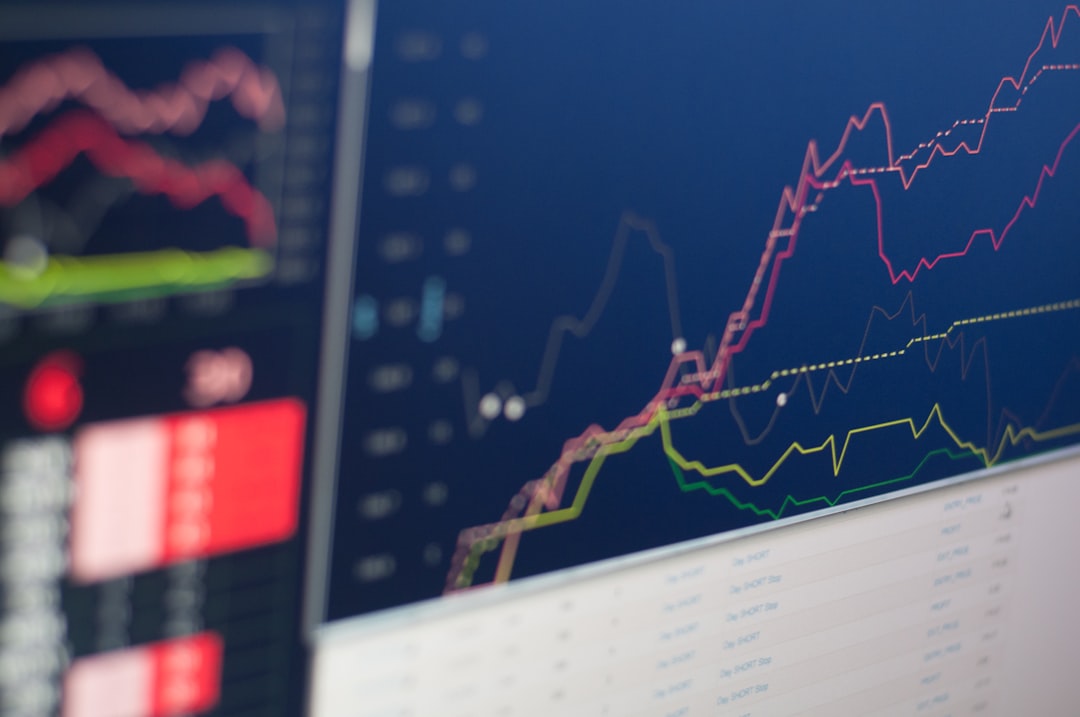
The MACD (Moving Average Convergence Divergence) indicator has three components: the MACD line, the signal line, and the histogram. The histogram is simply the difference between the MACD line and the signal line. When the histogram bars are growing taller, momentum is accelerating. When they shrink, momentum is fading. The key insight? Histogram divergence — when price makes a new high or low but the histogram fails to confirm — often precedes a reversal.
The Setup
Here’s the step-by-step plan:
1. Choose your timeframe. For swing trading, use the 4-hour or daily chart. For day trading, use the 15-minute or 1-hour chart.
2. Set the MACD to default parameters (12, 26, 9).
3. Look for a bullish divergence: Price makes a lower low, but the histogram makes a higher low (the bars are less negative). This signals weakening bearish momentum.
4. Look for a bearish divergence: Price makes a higher high, but the histogram makes a lower high (bars are less positive). This signals weakening bullish momentum.
5. Wait for confirmation. Enter only when the histogram crosses above or below the zero line after the divergence. This is your trigger.
Example Trade (Bullish)
- You see price making a lower low on the daily chart.
- The MACD histogram makes a higher low (bullish divergence).
- You wait. The histogram bars start shrinking and then flip from red to green (cross above zero).
- Entry: Buy at the close of the green bar.
- Stop loss: Below the recent swing low.
- Target: Use the previous resistance level or a 2:1 risk-reward ratio.
Risk Management
No strategy works 100% of the time. Here’s how to protect your capital:
- Position size: Never risk more than 1-2% of your account on a single trade.
- Stop loss: Always set a stop loss. For this strategy, place it 1-2 ATR (Average True Range) below the divergence low (for longs) or above the divergence high (for shorts).
- Trail your stop: Once the trade moves in your favor by 1.5x your risk, move your stop to breakeven.
- Avoid trading during major news events — the histogram can whip around unpredictably.
Conclusion
The MACD Histogram Strategy is a powerful way to detect momentum shifts before they become obvious. It’s not a crystal ball, but it gives you an edge by showing you when the big players are quietly accumulating or distributing. Practice on a demo account first, keep your risk tight, and let the histogram guide you. Remember: patience is your superpower. Wait for the divergence, wait for the zero-line cross, and then execute with confidence. Happy trading!
How to Secure Your Crypto Wallet: A Step-by-Step Guide
Introduction
In the world of cryptocurrency, security is paramount. With billions of dollars lost to hacks, scams, and user errors each year, knowing how to properly secure your crypto wallet is essential for any investor or trader. Whether you’re a beginner or a seasoned pro, this step-by-step guide will walk you through the best practices to protect your digital assets from theft, loss, and unauthorized access.
Key Concepts
- Private Keys: The most critical piece of your wallet. Never share them. Whoever holds the private keys controls the funds.
- Seed Phrase (Recovery Phrase): A 12-24 word backup that can restore your wallet. Store it offline in a secure location.
- Hot Wallet vs. Cold Wallet: Hot wallets are connected to the internet (convenient but riskier). Cold wallets are offline (more secure for long-term storage).
- Multi-Factor Authentication (MFA): Adds an extra layer of security beyond just a password.
- Phishing Attacks: Fake websites or emails designed to steal your credentials. Always double-check URLs.
Pro Tips
- Use a Hardware Wallet for Large Holdings: Devices like Ledger or Trezor keep your private keys offline.
- Enable 2FA on All Exchange Accounts: Use an authenticator app (like Google Authenticator) instead of SMS when possible.
- Keep Software Updated: Regularly update your wallet software, browser, and antivirus to patch vulnerabilities.
- Beware of Public Wi-Fi: Never access your wallet on unsecured networks. Use a VPN if necessary.
- Test Small Transactions First: Before moving large amounts, send a small test transaction to confirm the address.
FAQ Section
What is the safest type of crypto wallet?
Hardware wallets (cold storage) are generally considered the safest because they keep your private keys offline, away from potential online threats.
Can I recover my wallet if I lose my phone?
Yes, if you have your seed phrase (recovery phrase) stored securely. You can restore your wallet on any compatible device using that phrase.
Is it safe to store crypto on an exchange?
Exchanges are convenient for trading but are more vulnerable to hacks. For long-term storage, it’s safer to move your funds to a private wallet you control.
What should I do if I think my wallet is compromised?
Immediately transfer your funds to a new wallet with a fresh seed phrase. Also, revoke any smart contract approvals if you used DeFi platforms.
Conclusion
Securing your crypto wallet is not a one-time task but an ongoing practice. By following the steps outlined in this guide—using hardware wallets, enabling 2FA, safeguarding your seed phrase, and staying vigilant against phishing—you can significantly reduce the risk of losing your digital assets. Remember, in crypto, you are your own bank. Take responsibility for your security.
For more details on this, check out our guide on Trump Media Reports $406M Q1 Loss on Bitcoin, CRO Holdings Write-Downs.
You might also be interested in reading about Iranian Crypto Exchange Nobitex Sees Massive Outflows Amid Airstrikes.
RWA vs Pure DeFi Yields: Which Is Safer?
Real World Assets (RWAs) are tangible or intangible assets—such as real estate, bonds, commodities, and credit—that are tokenized on a blockchain. This process bridges the gap between Traditional Finance (TradFi) and Decentralized Finance (DeFi), enabling fractional ownership, 24/7 liquidity, and transparent on-chain record-keeping. In contrast, pure DeFi yields are generated entirely on-chain through protocols like lending pools, liquidity mining, or automated market makers, often without direct reference to off‑chain value. The core difference is simple: RWAs bring off‑chain value on‑chain, while pure DeFi yields rely on on‑chain activity alone.
How RWA Tokenization Works
The technical process of bringing an RWA on‑chain involves several steps:
- Asset Selection & Valuation: A real‑world asset (e.g., a commercial property) is appraised by a third‑party auditor.
- Special Purpose Vehicle (SPV): The asset is placed into a legal SPV to isolate risk and ensure legal ownership.
- Tokenization: A smart contract mints tokens representing fractional ownership of the SPV. Each token corresponds to a claim on the underlying asset’s cash flows or value.
- Oracle Integration: Oracles (e.g., Chainlink) feed off‑chain data—such as property valuations, interest rates, or credit events—onto the blockchain to keep the token price accurate.
- Secondary Market: Tokens are traded on decentralized exchanges or specialized RWA platforms, providing liquidity that the underlying asset lacks in the traditional world.
Investment Analysis: Pros, Cons, and Risks
Pros of RWA Yields
- Stability & Predictability: Many RWAs (e.g., Treasury bonds, real estate leases) generate steady, low‑volatility cash flows, unlike volatile DeFi yields.
- Regulatory Clarity: Tokenized securities often comply with existing securities laws, reducing legal uncertainty for institutional investors.
- Diversification: RWAs provide exposure to asset classes uncorrelated with crypto market cycles.
Cons & Risks of RWA Yields
- Regulatory Risk: Jurisdictional differences can create compliance headaches. A tokenized bond in the U.S. may be treated as a security, while the same asset in another country might not.
- Smart Contract Risk: The tokenization contract, oracle, and SPV structure all rely on code. A bug or exploit can lead to loss of funds.
- Liquidity Risk: While tokenization improves liquidity, the secondary market for many RWAs remains thin compared to major DeFi pools.
- Counterparty Risk: The SPV and asset manager are still centralized entities. If they fail, the token may lose its underlying value.
For a broader market view, check out our analysis on Art & Collectibles: Fractional Ownership via Tokenization. Investors often compare this to Privacy Coins Under Fire: Navigating Regulatory Risks in Crypto Trading.
Tool Recommendation
If you are looking for altcoin opportunities and smooth trading, try KuCoin. KuCoin offers a wide range of RWA‑related tokens and DeFi assets, with competitive fees and a user‑friendly interface. Start trading on KuCoin today.
FAQ
Are RWA yields safer than pure DeFi yields?
Generally, yes—because RWAs are backed by tangible assets or regulated financial instruments (e.g., Treasury bonds). However, they introduce legal and counterparty risks that pure DeFi protocols avoid. The safest choice depends on your risk tolerance and understanding of the underlying asset.
How do I verify that an RWA token is legitimately backed?
Look for independent audits of the SPV, on‑chain proof of reserves, and transparent oracle feeds. Reputable projects publish regular attestations from third‑party custodians. Data from RWA.xyz can help track on‑chain collateralization.
Can I lose my investment in an RWA token?
Yes. Risks include smart contract bugs, regulatory changes, default by the asset manager, or a decline in the underlying asset’s value. Always perform due diligence and never invest more than you can afford to lose.
Conclusion
RWA yields offer a compelling middle ground between the stability of traditional finance and the efficiency of DeFi. They are generally safer than pure DeFi yields in terms of volatility and regulatory clarity, but they introduce new risks around legal structures and counterparty reliability. For investors seeking predictable returns with a bridge to the real economy, RWAs are a strong option. As the ecosystem matures—with reports from BlackRock and others signaling institutional interest—the safety profile of RWAs is likely to improve further.
Why is Bitcoin Down? A Beginner’s Guide to the $78,000 Market Dip
Did you know that over $580 million in crypto positions were liquidated in just 24 hours, with 95% of those losses hitting traders who bet on prices going up? That’s the harsh reality of what happened as Bitcoin slid to near $78,000 in May 2026.
If you’re wondering why your portfolio suddenly turned red, you’re not alone. This market-wide sell-off wasn’t random—it was driven by a perfect storm of global economic factors that every crypto user should understand. Bitcoin dropped 3.2%, erasing all gains from the previous week, while Solana, XRP, and Dogecoin fell even harder.
The culprit? Inflation. Back-to-back hot inflation reports, rising oil prices due to the ongoing Iran conflict, and a global bond market sell-off spooked investors. Traders who were expecting the Federal Reserve to cut interest rates suddenly had to rethink their strategy—and that rethinking cost over $500 million.
This guide breaks down exactly what happened, why it matters for your crypto holdings, and how to make sense of market moves without the panic.
Read time: 10-12 minutes
Understanding Liquidation Cascades for Beginners
A liquidation cascade is a chain reaction where falling prices force leveraged traders to sell their positions, which pushes prices even lower, triggering more forced sales. Think of it like a row of dominoes—once the first one falls, the rest follow in quick succession.
Imagine you’re at an arcade and you put a quarter on a machine to “reserve” your turn. If someone bumps the machine, your quarter falls. In crypto trading, leverage is like borrowing money to make a bigger bet. If you bet $100 with 10x leverage, you control $1,000 worth of crypto. But if the price drops just 10%, you lose everything—and the exchange automatically sells your position to recover the loan.
In this recent event, roughly 95% of all liquidations were long positions—bets that prices would rise. That’s $552 million worth of bullish bets wiped out in a single day. This happens because when too many traders are on the same side of a trade, there’s no one left to catch the falling price.
The biggest single liquidation was a $21.59 million Bitcoin position on Bitget exchange. That’s one trader who lost over $21 million in a single trade.
The Technical Details: How Market Downturns Actually Work
When markets sell off, it’s rarely just one cause. Here’s what really happened:
1. Inflation Data Shocks: The U.S. released back-to-back hot Consumer Price Index (CPI) and Producer Price Index (PPI) reports. These measure how much prices are rising for consumers and businesses. Higher than expected readings mean inflation isn’t cooling as hoped.
2. Interest Rate Expectations Shift: Traders had been expecting the Federal Reserve to cut interest rates in 2026 to stimulate the economy. Higher inflation means the Fed might actually raise rates instead. This is bad for risk assets like crypto, which thrive on easy money.
3. Global Bond Sell-Off: U.S. 10-year Treasury yields topped 4.5%, Japan’s 30-year debt hit 4% for the first time, and U.K. long-bond rates reached a 28-year high. When bond yields rise, money flows out of risky assets (crypto) into safer bonds.
4. Oil Price Surge: Brent crude oil settled above $105 per barrel, driven by the Iran conflict and the effective closure of the Strait of Hormuz. Higher oil prices mean higher costs for everything, which fuels inflation.
5. The Liquidation Cascade: With $552 million in long positions liquidating, the forced selling created a downward spiral—exactly the “buy high, sell low” scenario that catches overleveraged traders.
Insert flow diagram: Global Economy → Inflation → Fed Policy → Bond Yields → Crypto Liquidation
Current Market Context: Why This Matters Now
As of May 2026, this sell-off marks one of the most significant coordinated market events of the year. Let’s look at the actual damage:
| Asset | 24-Hour Drop | Weekly Performance |
|---|---|---|
| Bitcoin (BTC) | -3.2% | Flat (lost weekly gains) |
| Solana (SOL) | -5% | -7% |
| XRP | -4.3% | -5%+ |
| Ether (ETH) | -3.3% | -5.3% |
| Dogecoin (DOGE) | -4.2% | -5%+ |
| BNB | -3.9% | +1.1% (held up best) |
The S&P 500 fell 1.2% in its worst session since March, while the Philadelphia Semiconductor Index dropped 4%. This shows that crypto isn’t isolated—it’s connected to global financial markets now more than ever.
For beginners, the key takeaway is that crypto no longer exists in a vacuum. When bond yields rise globally and oil prices spike, crypto feels the effects just like stocks do.
Competitive Landscape: How Major Tokens Compared
Not all cryptocurrencies reacted the same way. Here’s how they fared against each other during this downturn:
| Metric | Bitcoin (BTC) | Ether (ETH) | Solana (SOL) | XRP |
|---|---|---|---|---|
| 24H Drop | -3.2% | -3.3% | -5% | -4.3% |
| Weekly Trend | Flattened | -5.3% | -7% | -5%+ |
| Liquidation Share | $189M (33%) | $151M (26%) | Smaller | Smaller |
| Relative Strength | Moderate | Weak | Weakest | Moderate |
Why Solana led the losses: Solana tends to be more volatile than Bitcoin. It’s a smaller market cap asset with higher price swings in both directions. When risk appetite drops, investors sell their riskiest positions first.
Why BNB held up: BNB, the native token of Binance exchange, often shows more stability during downturns because it has utility beyond speculation—it’s used to pay trading fees on the world’s largest exchange.
For users: If you’re holding altcoins like SOL or DOGE, expect them to drop more than Bitcoin during market-wide sell-offs. That’s not a flaw—it’s just how risk works in crypto.
Practical Applications: Real-World Scenarios for This Knowledge
Understanding market sell-offs helps you make better decisions. Here’s how to apply this:
- Portfolio Hedging: When inflation reports are due, consider reducing leverage or adding stablecoins to your portfolio. This protects you from liquidation cascades like the one we saw.
- Avoiding FOMO (Fear of Missing Out): After a week of Bitcoin trading above $82,000, many traders piled into long positions. The hot inflation data caught them off guard. Waiting for confirmation before taking leveraged positions can save you thousands.
- Recognizing Macro Triggers: Now you know that oil prices, bond yields, and inflation reports directly affect crypto. Monitoring these indicators helps you anticipate market moves before they happen.
- Realistic Expectations: If you’re new to crypto, understanding that 90%+ liquidations are long positions explains why “buy the dip” strategies often fail during cascading sell-offs.
- Emergency Fund Planning: Having cash or stablecoins ready during dips lets you buy at lower prices—but only if you haven’t been liquidated yourself.
Risk Analysis: Expert Perspective
Primary Risks in This Environment:
1. Leverage Risk: The biggest lesson is that leverage amplifies losses. $552 million of $581 million total liquidations were long positions—traders betting prices would go up. When they were wrong, they lost everything.
2. Macroeconomic Risk: Crypto is no longer immune to traditional market forces. Inflation, oil prices, and interest rates now directly affect crypto prices.
3. Concentration Risk: The fact that 95% of liquidations hit one side of the trade shows how crowded trades can be dangerous. When everyone expects the same outcome, there’s no one left to absorb the shock.
4. Geopolitical Risk: The Iran conflict and Strait of Hormuz closure show how global events can cascade into crypto markets through their impact on energy prices and inflation.
Mitigation Strategies:
- Use stop-losses: Set automatic sell orders at a price you can tolerate losing.
- Avoid leverage as a beginner: If you’re new, trade spot (buy/sell without borrowing).
- Diversify across assets and sectors: Don’t put everything into one token.
- Keep an emergency cash reserve: This lets you buy during dips without selling at losses.
Expert Consensus: Most analysts agree that crypto remains a high-risk, high-reward asset class. The key to survival is position sizing—never bet more than you can afford to lose.
Beginner’s Corner: Quick Start Guide
How to protect yourself during market sell-offs:
1. Check your positions: Look at what you’re holding. If you have leveraged positions, consider closing them if you can’t afford the losses.
2. Reduce leverage: If you must trade with leverage, keep it to 2x or 3x maximum. Anything above that is gambling.
3. Set a stop-loss: For every position, decide the maximum loss you’re willing to take and set an automatic sell order at that price.
4. Add stablecoins: Consider converting 20-30% of your portfolio to USDC or USDT. This preserves your capital for buying opportunities.
5. Avoid panic selling: Market downturns are normal. If you’re holding quality assets (Bitcoin, Ethereum) and don’t need the money soon, waiting often works better than selling at the bottom.
Common mistakes to avoid:
- Trying to “catch a falling knife” by buying immediately during a cascade
- Averaging down without understanding why the price is dropping
- Using all your cash to buy the dip—you never know where the bottom is
- Ignoring macro data (inflation reports, oil prices, Fed announcements)
Future Outlook: What’s Next
In the coming weeks and months:
1. Continued inflation monitoring: All eyes will be on the Federal Reserve’s next meeting. If they signal a rate hike, prepare for more downside. If they hold steady, we might see a recovery.
2. Oil price volatility: The Iran conflict and Strait of Hormuz situation remain unresolved. Any escalation could push oil even higher, spooking markets further.
3. Technical levels matter: Bitcoin is now below its 200-day moving average. This is a key technical indicator that traders watch. A recovery above $80,000 would be a bullish signal.
4. Regulatory developments: Keep an eye on U.S. lawmakers filling CFTC positions and potential crypto regulation. Regulatory clarity could provide a floor for prices.
Planned developments: The market is pricing in a potential 25 basis point rate hike from the Fed—the first since the hiking cycle ended. If this doesn’t materialize, we could see a strong relief rally.
Speculation boundary: Some analysts predict Bitcoin could test $75,000 before finding support. However, predicting exact bottoms is impossible. The safer approach is to watch for stabilization before committing more capital.
Key Takeaways
- The $580 million liquidation cascade was triggered by hotter-than-expected inflation data and global bond sell-offs, not crypto-specific problems.
- 95% of liquidations hit long (bullish) positions, showing how crowded trades can lead to devastating reversals when market conditions shift.
- Solana and XRP fell harder than Bitcoin because smaller-cap altcoins are more volatile during downturns.
- Understanding macro indicators (inflation, oil prices, bond yields) helps you anticipate market moves before they happen.
- The best defense is risk management: avoid excessive leverage, use stop-losses, and keep cash reserves for buying opportunities.
CLARITY Act Advances 15-9 in Senate Committee
May 14, 2025 — The CLARITY Act cleared the Senate Banking Committee in a 15-9 bipartisan vote on May 14, marking its most significant legislative progress since a similar House version passed last July. The bill now faces major hurdles including a 60-vote threshold in the full Senate and unresolved ethics provisions before reaching President Trump’s desk.
Immediate Details & Direct Quotes
Ready to act on this news? Open an account on Binance — the world’s largest crypto exchange.
The Senate Banking Committee voted 15-9 to advance the CLARITY Act, with all 13 Republicans joined by Democratic Senators Ruben Gallego of Arizona and Angela Alsobrooks of Maryland. Both Democrats qualified their support, signaling potential trouble ahead.
“My vote today is a vote to keep working in good faith,” Alsobrooks said. “We still have so much work to do.”
Gallego warned he was “not afraid to vote no” on the Senate floor if an ethics deal is not reached. The committee vote was secured at the last moment after Chairman Tim Scott used a procedural maneuver to admit further amendments.
The bill’s current 309-page text, revised on May 12, resolved one major dispute by banning passive stablecoin interest while permitting activity-based rewards. This cleared a key obstacle but left two critical issues unresolved: ethics provisions and law enforcement requirements.
Market Context & Reaction
Analysts remain pessimistic about the bill’s chances of becoming law this session. GSR Chief Legal and Strategy Officer Joshua Riezman said before the vote that odds of the CLARITY Act reaching the president’s desk were below 50%.
TD Cowen was sharper in its assessment. “We are not more optimistic because we continue to believe Democrats will demand a vote on an amendment that would apply conflict of interest standards to President Trump,” the firm said. “We believe Republicans do not want to take that vote as they do not want to be portrayed in upcoming elections as endorsing the involvement of the Trump family in crypto endeavors.”
The ethics provision is the central obstacle. Senator Kirsten Gillibrand has stated the bill will not pass the full Senate without conflict of interest language restricting government officials from profiting from crypto. However, the White House has rejected any language targeting a specific officeholder.
The full Senate requires 60 votes to overcome a filibuster, meaning Republicans need at least seven Democratic votes. This math is complicated by the unresolved ethics dispute.
Background & Historical Context
The CLARITY Act has been stalled multiple times since January over the same fault lines now heading to the Senate floor. The House passed a similar version by 294-134 in July 2025.
The ethics provision falls outside the Senate Banking Committee’s jurisdiction, which is why it was not addressed in committee. This procedural reality now creates a political challenge on the Senate floor.
Senator Cynthia Lummis has warned that missing the window before the August recess could push comprehensive crypto legislation off the calendar until 2030. The bill must also be reconciled with the House version before going to President Trump, adding further steps to an already tight timeline.
What This Means
In the short term, the CLARITY Act faces three immediate obstacles: securing 60 Senate floor votes, resolving the ethics provision dispute, and reconciling differences with the House version.
The ethics battle represents the most difficult challenge. Democrats are expected to demand a vote on conflict of interest standards targeting President Trump, while Republicans are reluctant to take that vote during election season.
If the bill fails to advance before the August recess, comprehensive crypto legislation could be derailed until 2030, as Senator Lummis warned. Traders and investors should monitor Senate floor activity closely in the coming weeks.
The resolution of the stablecoin yield dispute shows compromise is possible. However, the ethics provision represents a fundamentally different kind of political obstacle that will test bipartisan cooperation on crypto regulation.
—
Ride the Trend, Not the Noise: The 200-Day Moving Average Filter
Imagine trying to drive through a thick fog without a compass. That’s what trading crypto feels like without a reliable trend filter. Every spike feels like a breakout, every dip feels like the end of the world. But there’s one tool that cuts through the noise: the 200-Day Moving Average (200 MA). It’s not flashy, it’s not new, but it’s one of the most powerful trend filters in a trader’s toolkit. Let’s break down how you can use it to stay on the right side of the market.
How It Works
The 200-Day Moving Average is simply the average price of an asset over the last 200 days, plotted as a smooth line on your chart. When price is above the 200 MA, the long-term trend is considered bullish. When price is below it, the trend is bearish. Think of it as a simple yes/no switch: Are you trading with the wind or against it?
The Setup
Here’s the core strategy:
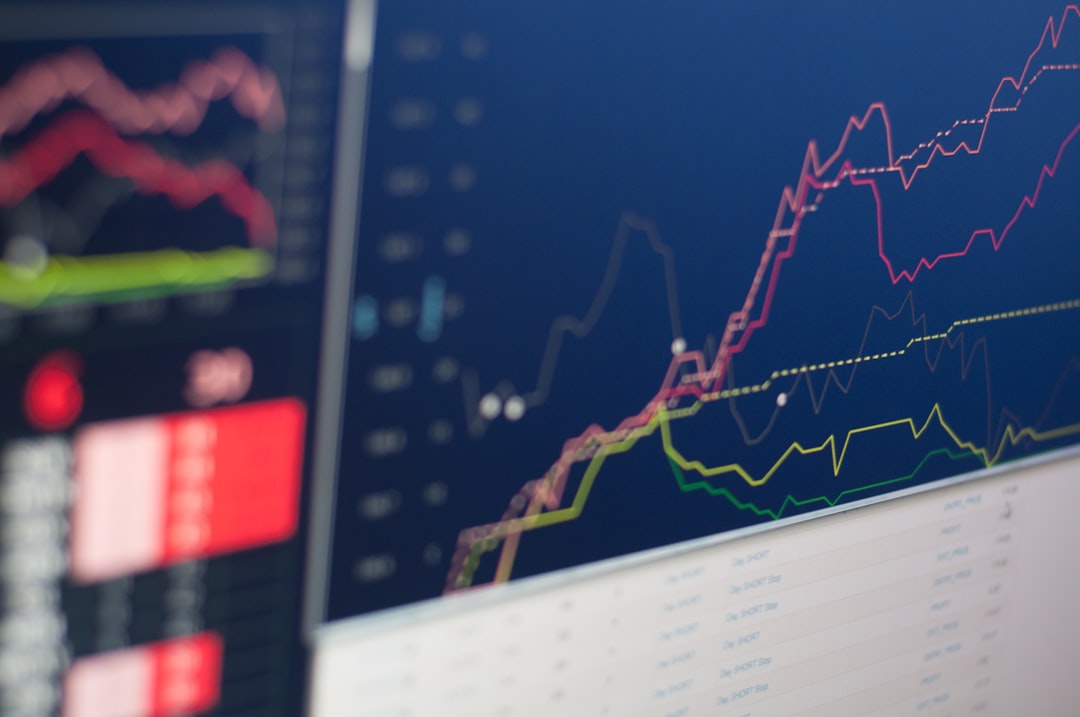
1. Buy Signal: Wait for price to close above the 200 MA, then look for a pullback or consolidation near the moving average to enter long.
2. Sell Signal: Wait for price to close below the 200 MA, then look for bounces or rejections at the line to enter short.
3. Trend Confirmation: Only take trades in the direction of the 200 MA. If price is above, focus on longs. If below, focus on shorts. This keeps you from trying to catch falling knives or fading strong rallies.
Pro Tip: Combine the 200 MA with a shorter moving average (like the 50 MA) for extra confirmation. For example, when the 50 MA crosses above the 200 MA (a “Golden Cross”), that’s a powerful bullish signal. When it crosses below (a “Death Cross”), it’s bearish.
Risk Management
No strategy works 100% of the time. The 200 MA is a lagging indicator, meaning it reacts to price, not predicts it. Here’s how to protect yourself:
- Stop Loss: Place your stop just below the 200 MA (for longs) or just above it (for shorts). This gives the trade room to breathe while respecting the trend line.
- Position Sizing: Never risk more than 1-2% of your account on a single trade. The 200 MA will have false breakouts, especially in choppy sideways markets.
- Time Horizon: This filter works best on daily or weekly charts. Don’t use it for scalping or 5-minute trades—it’s designed for the big picture.
Conclusion
The 200-Day Moving Average won’t make you rich overnight. But it will save you from emotional, trend-fighting trades that drain your account. By filtering out the noise and focusing on the dominant trend, you give yourself a massive edge. Start by adding the 200 MA to your charts today. Respect the line, and let the trend be your guide.
How to Spot a Honey Pot Scam: Safety Guide
Honey pot scams are one of the most insidious threats in the crypto space. These malicious smart contracts lure investors with promises of easy profits, only to trap their funds permanently. This guide will teach you how to identify and avoid honey pot scams, keeping your assets safe.
Key Concepts
- Honey Pot Scam: A smart contract designed to appear legitimate but contains hidden code that prevents users from selling or withdrawing their tokens. The scammer often sets a trap where only they can execute certain functions.
- Common Red Flags: Unusually high rewards, no liquidity lock, anonymous team, and complex buy/sell tax structures that change dynamically.
- How It Works: Scammers deploy a token with a hidden function that blocks sell orders from all addresses except their own. When unsuspecting buyers purchase the token, they cannot sell it, and the scammer drains liquidity.
Pro Tips
- Audit the Contract: Always review the smart contract code on Etherscan or BscScan. Look for functions like
transfer,sell, orwithdrawthat have restricted access modifiers (e.g.,onlyOwner). - Check Liquidity Locks: Use tools like DEXTools or RugDoc to verify if liquidity is locked. If liquidity is not locked, the scammer can pull it at any time.
- Test with Small Amounts: Before investing significant funds, try to sell a tiny portion of the token. If the transaction fails repeatedly, it’s likely a honey pot.
- Use Token Sniffer: Platforms like Token Sniffer or Honeypot.is can automatically detect common honey pot patterns.
- Verify the Team: Legitimate projects have doxxed teams or at least a public presence. Anonymous teams are a major red flag.
FAQ Section
What is a honey pot scam in crypto?
A honey pot scam is a malicious smart contract that allows users to buy tokens but prevents them from selling. The scammer sets up a trap where only they can execute sell orders, effectively stealing all invested funds.
How can I check if a token is a honey pot?
Use automated tools like Honeypot.is or Token Sniffer. Also, manually review the contract code for restricted sell functions, check liquidity locks, and test with a small buy/sell transaction.
Can I get my money back from a honey pot scam?
Unfortunately, once funds are trapped in a honey pot, recovery is extremely difficult. The scammer controls the contract, and transactions are irreversible. Prevention is the best defense.
Are honey pot scams common on decentralized exchanges?
Yes, they are very common on DEXs like Uniswap and PancakeSwap, especially with newly launched tokens that lack audits or community vetting.
For more details on this, check out our guide on Bitcoin Price Drop Explained: What the $1,500 Sell-Off Means for Traders.
You might also be interested in reading about Bitcoin Mining Difficulty Sees Last Adjustment Increase in 2025.
Conclusion
Honey pot scams are a serious threat, but with the right knowledge and tools, you can avoid them. Always audit smart contracts, verify liquidity locks, test small amounts, and use detection platforms. Stay vigilant and never let greed override caution. Your safety in crypto starts with due diligence.
How to Participate in Governance Proposals (DAOs): A Complete Guide
Decentralized Autonomous Organizations (DAOs) are reshaping how communities make decisions. By holding governance tokens, you can vote on proposals that determine a project’s future—from treasury management to protocol upgrades. This guide walks you through everything you need to know to participate effectively.
Key Concepts
What is a DAO?
A DAO is a blockchain-based organization governed by smart contracts and token holders. Decisions are made through on-chain or off-chain voting, with power often proportional to token holdings.
Governance Tokens
Tokens like UNI (Uniswap), COMP (Compound), or MKR (Maker) grant voting rights. You typically need to hold or delegate these tokens to participate.
Proposal Lifecycle
- Discussion: Community debates ideas on forums (e.g., Discourse).
- Temperature Check: Informal poll to gauge support.
- Formal Proposal: On-chain submission with executable code or text.
- Voting: Token holders vote Yes/No within a set period.
- Execution: If passed, the proposal is implemented via smart contract.
Voting Mechanisms
- Token-based voting: 1 token = 1 vote (common).
- Quadratic voting: Cost of votes increases exponentially to reduce whale dominance.
- Delegation: Assign your voting power to a trusted representative.
Pro Tips
1. Research Before You Vote
Read proposal discussions on forums and check the proposer’s reputation. Look for audits or security reviews if the proposal involves code changes.
2. Understand Gas Costs
On Ethereum mainnet, voting can cost significant gas. Consider using layer-2 solutions or off-chain voting platforms like Snapshot to save fees.
3. Delegate Your Vote
If you don’t have time to follow every proposal, delegate your tokens to a knowledgeable community member or a delegation service like Agora or Boardroom.
4. Stay Informed
Follow official DAO communication channels (Discord, Twitter, governance forums) to catch proposals early and understand their impact.
FAQ Section
Q: Do I need to pay gas for every vote?
On-chain votes require gas. However, many DAOs use Snapshot for off-chain voting, which is gas-free. Check the DAO’s voting platform before participating.
Q: Can I change my vote after submitting?
Usually no—on-chain votes are final once submitted. Off-chain votes may allow changes until the voting period ends. Always double-check before confirming.
Q: What happens if a proposal passes?
If it’s an on-chain proposal, the code executes automatically. For off-chain proposals, the team or multi-sig holders implement the decision manually.
Q: How do I find active proposals?
Use platforms like Boardroom, Snapshot, or check the DAO’s official website and governance forum.
Conclusion
Participating in DAO governance is a powerful way to shape the future of decentralized projects. Start by acquiring governance tokens, researching proposals, and casting informed votes. Remember to delegate when you’re busy and always consider gas costs. For more details on this, check out our guide on The Rise of AI Agents in Crypto: A Complete Guide. You might also be interested in reading about Bitcoiner Recovers $500K in Lost BTC Using Claude AI After 11-Year Lockout.
How Special Purpose Vehicles (SPVs) Protect RWA Investors
Real World Assets (RWAs)—such as real estate, bonds, commodities, and credit—are tangible or intangible assets that are tokenized on a blockchain. This process enables fractional ownership, 24/7 liquidity, and unprecedented transparency, effectively bridging the gap between Traditional Finance (TradFi) and Decentralized Finance (DeFi). However, the off-chain nature of these assets introduces unique risks: legal ownership, asset custody, and regulatory compliance. This is where Special Purpose Vehicles (SPVs) come into play, acting as a critical legal and financial shield for RWA investors.
What Is an SPV and Why Does It Matter for RWAs?
A Special Purpose Vehicle (SPV) is a legally separate entity—often a trust or limited liability company—created to isolate financial risk. In the RWA context, the SPV holds the underlying off-chain asset (e.g., a commercial property or bond portfolio) while the blockchain-based token represents a beneficial interest in that SPV. This structure ensures that the token holder has a direct, legally enforceable claim on the asset, even if the token issuer or platform faces bankruptcy.
How SPVs Work in RWA Tokenization
The technical process follows a clear chain: Tokenization → SPV → Oracle → Blockchain.
- Tokenization: The asset is appraised, legal documents are drafted, and the asset is transferred to an SPV.
- SPV Issuance: The SPV issues digital tokens (often compliant with ERC-3643 or similar standards) that represent fractional ownership.
- Oracle Integration: Oracles (e.g., Chainlink) feed real-world data—such as property valuations or interest rates—onto the blockchain to maintain price accuracy.
- Blockchain Settlement: Investors buy, sell, or trade tokens on secondary markets, with all transactions recorded immutably.
Reports from BlackRock and data from RWA.xyz show that SPV-backed tokenization is becoming the industry standard for institutional-grade RWA offerings.
Investment Analysis: Pros, Cons, and Risks
Pros:
- Legal Protection: SPVs ring-fence the asset from the issuer’s liabilities, protecting investors in case of bankruptcy.
- Fractional Ownership: Low minimum investments allow retail investors access to high-value assets like prime real estate.
- Liquidity: Tokens can trade 24/7 on decentralized exchanges, unlike traditional private placements.
Cons and Risks:
- Regulatory Uncertainty: Jurisdictions differ on how SPVs and tokens are classified (security vs. utility).
- Smart Contract Risk: Bugs in the token contract or oracle could lead to loss of funds.
- Off-Chain Dependency: The SPV still relies on traditional legal enforcement and custodians.
For a broader market view, check out our analysis on EU Crypto Firms Face July 1 Shutdown as MiCA Deadlines Already Passed. Investors often compare this to The Stochastic Oscillator Dip-Buying Strategy: Catching Rallies Before They Start.
Tool Recommendation
Looking for altcoin opportunities and smooth trading? Try KuCoin. With a wide range of RWA tokens and low fees, KuCoin is a great place to diversify your portfolio. Start trading on KuCoin today.
Frequently Asked Questions
What happens if the SPV issuer goes bankrupt?
Because the SPV is a separate legal entity, the underlying asset is not part of the issuer’s bankruptcy estate. Token holders retain their claim on the asset, though the process of enforcing that claim may require legal action.
Are SPV-backed tokens considered securities?
In most jurisdictions, yes. The SEC and other regulators typically view tokens representing an SPV interest as securities, subjecting them to registration or exemption requirements. Always consult a legal professional.
How do oracles ensure the accuracy of asset data?
Oracles aggregate data from multiple trusted sources (e.g., appraisal firms, market data providers) and use consensus mechanisms to prevent manipulation. Leading networks like Chainlink have built-in reputation systems.
Conclusion
Special Purpose Vehicles are the backbone of secure RWA tokenization, providing the legal separation and investor protection necessary to bridge TradFi and DeFi. While risks remain—especially around regulation and smart contracts—the SPV model offers a robust framework for fractional ownership and liquidity. As the ecosystem matures, expect SPVs to become the default standard for institutional and retail RWA investments alike.