
BNY Institutional Crypto Custody Explained: A Beginner’s Guide
Did you know the world’s largest bank, overseeing $59.4 trillion in assets, just launched Bitcoin and Ethereum custody services in Abu Dhabi? Bank of New York Mellon (BNY) — a financial titan with more assets under custody than the GDP of most countries — has expanded its digital asset services into the Abu Dhabi Global Market (ADGM). This move, in partnership with Finstreet Limited and ADI Foundation, offers regulated, institutional-grade crypto storage for regional clients. For everyday crypto users, this signals something crucial: traditional finance is building the infrastructure to handle digital assets professionally. This guide explains what BNY’s custody launch means, how it works, and why it matters for your understanding of where crypto is heading.
Read time: 10-12 minutes
Understanding Institutional Crypto Custody for Beginners
Institutional crypto custody is a regulated service where a trusted financial institution stores and manages private keys for large investors like banks, hedge funds, and family offices.
Think of it like a high-security bank vault for your crypto keys. Instead of storing your Bitcoin on a USB drive or exchange account, a professional custodian uses military-grade security, multi-signature technology, and insurance policies to protect your assets. Just as a traditional bank keeps your cash safe, a crypto custodian keeps your digital assets secure.
Why was this created? Large institutions like pension funds and asset managers want to invest in crypto, but they can’t rely on consumer-grade wallets or poorly regulated exchanges. They need audited, compliant custody that meets strict financial regulations. BNY’s launch in Abu Dhabi solves this problem by providing “sovereign-grade” infrastructure — meaning it meets the highest government and regulatory standards.
A real-world example: Suppose a family office in Dubai wants to allocate 5% of its portfolio to Bitcoin. Instead of managing the private keys themselves (and risking loss or theft), they use BNY’s custody service. BNY handles the security, compliance, and insurance, while the family office retains ownership and can trade through the platform.
The Technical Details: How Institutional Crypto Custody Actually Works
Institutional crypto custody isn’t as simple as storing coins in a wallet. Here’s how the system operates:
1. Key Generation & Storage: The custodian generates private keys using “cold storage” (offline hardware) or “multi-party computation” (MPC) — a method that splits the key into encrypted pieces distributed across multiple secure servers. No single person can access the funds.
2. Approval Workflows: Large funds use “multi-signature” requirements. For example, a transaction might require three different executives to approve it using their individual security keys. This prevents theft by a single employee.
3. Regulatory Compliance: Every transaction is recorded and reported to regulators (like ADGM’s Financial Services Authority). The custodian ensures assets aren’t used for money laundering or fraud.
4. Insurance Coverage: Institutional custodians carry massive insurance policies — often hundreds of millions of dollars — to protect against hacks or rogue employees.
Why this structure matters for you: BNY uses exactly these mechanisms. The service starts with segregated storage for Bitcoin (BTC) and Ethereum (ETH), meaning your assets aren’t mixed with other clients’ funds in a shared pool. This protects you if another client defaults or is hacked.
Current Market Context: Why This Matters Now
As of May 2025, institutional adoption of crypto is accelerating rapidly. BNY’s move into Abu Dhabi is part of a broader trend:
- $59.4 trillion: BNY’s total assets under custody. That’s equivalent to ~60% of the entire global economy. When a bank this size starts offering crypto custody, it sends a powerful signal.
- $2.1 trillion: BNY’s assets under management, as of March 31, 2026.
- Abu Dhabi’s ADGM has become a leading hub for digital assets, offering clear, permissive regulation without ambiguity. Companies like Binance, Kraken, and Polygon have established operations there.
BNY’s launch is timed perfectly. The Gulf region is awash in oil wealth seeking diversification. Traditional finance sees crypto as a way to attract younger investors and offer new products. “The UAE is entering a new phase of financial development,” said Hani Kablawi, BNY’s regional executive, in a statement quoted by MEXC. “This collaboration will connect traditional and digital financial ecosystems.”
Competitive Landscape: How BNY Compares
BNY isn’t alone in offering institutional crypto custody. Here’s how it stacks up:
| Feature | BNY Mellon (ADGM) | Coinbase Custody (US) | Fidelity Digital Assets (US) | Anchorage Digital (US) |
|---|---|---|---|---|
| Regulatory Framework | ADGM (Abu Dhabi) – fully regulated | NYDFS (New York) – regulated | NYDFS – regulated | OCC (US) – federally chartered bank |
| Supported Assets | BTC, ETH initially; stablecoins & tokenized assets planned | 200+ tokens | BTC, ETH | 100+ tokens |
| Institutional Backing | World’s largest custodian ($59T AUM) | Public company (NASDAQ: COIN) | Fidelity ($4.5T AUM) | Private, backed by a16z, Visa |
| Insurance | BNY’s corporate insurance + partnership policies | $320M policy | Fidelity’s corporate insurance | $500M+ policy |
| Geographic Focus | Middle East, Gulf region | Global (US-centric) | Global (US-centric) | Global (US-centric) |
Why this matters: BNY’s major advantage is its global custody network. While Coinbase is dominant in retail, BNY has relationships with the world’s largest banks, pension funds, and sovereign wealth funds. Its Abu Dhabi launch gives it a first-mover advantage in the Gulf, where regulatory clarity attracts institutional money.
Practical Applications: Real-World Use Cases
Who benefits from BNY’s custody service?
- Gulf Family Offices: Wealthy families in UAE, Saudi Arabia, Qatar can now allocate crypto assets through their existing banking relationships, with BNY handling security and compliance.
- Regional Banks: Banks in ADGM can offer crypto custody to their clients without building the infrastructure themselves. BNY acts as a “custodian of custodians.”
- Stablecoin Issuers: As BNY expands into stablecoin support, issuers like Circle or Tether could use BNY’s regulated infrastructure as reserve backing — adding legitimacy to stablecoin offerings.
- Tokenization Platforms: Real estate, art, and commodities are being tokenized. BNY’s custody services provide the secure storage needed for these digital representations of physical assets.
- Global Pension Funds: Sovereign wealth funds from Norway, China, or the Middle East can now access crypto through a trusted, bank-grade counterparty.
Risk Analysis: Expert Perspective
Custodianship isn’t without risks, even for a bank like BNY.
Primary Risks:
1. Counterparty Risk: If BNY itself faces financial trouble, clients could lose access. However, BNY is a “systemically important” bank (GSIB) under US regulation, making it extremely stable.
2. Regulatory Risk: ADGM’s regulatory framework could change. For example, a future government might impose taxes or restrictions on crypto holdings. BNY’s custody does not shield clients from local law changes.
3. Technical Risk: Hackers target custodians. While BNY uses top-tier security, no system is 100% impenetrable. BNY’s insurance is the backstop.
4. Concentration Risk: If institutional money floods into crypto through a few large custodians, a hack of one could destabilize the entire market.
Mitigation Strategies:
- BNY’s “segregated storage” ensures your assets aren’t pooled with others.
- Multi-signature and cold storage reduce single points of failure.
- BNY’s insurance policy covers client funds against theft or loss.
- Clients maintain ownership; BNY never “owns” the assets.
Expert Consensus: The move is overwhelmingly positive for mainstream adoption. “BNY’s entry into ADGM legitimizes crypto as an asset class for institutional investors,” says a report from Crypto.news. “It bridges the gap between traditional and digital finance.”
Future Outlook: What’s Next
BNY and its partners (Finstreet Limited, ADI Foundation) plan to expand beyond Bitcoin and Ethereum custody.
1. Stablecoin Support (2026-2027): The platform aims to support stablecoins, which are digital dollars used for trading and payments. This will allow clients to hold USDC or its equivalent through BNY.
2. Tokenized Real-World Assets (2027+): Real estate, bonds, and commodities are being tokenized on blockchains. BNY will store the “token” that represents ownership. This is part of a broader trend — even major firms like DTCC are testing tokenized securities platforms with 50+ global institutions.
3. Expansion to Other Regions: After Abu Dhabi, BNY may offer similar services in Singapore, Hong Kong, or London as regulators clarify their crypto rules.
What it means for you: You may never use BNY’s custody directly. But as institutions invest more confidently, the market becomes more liquid, prices may stabilize, and more products (like crypto ETFs) become available to retail investors.
Key Takeaways
- BNY’s custody launch in Abu Dhabi gives Gulf institutions a regulated, secure way to hold Bitcoin and Ethereum, marking a major step in traditional finance’s embrace of crypto.
- The service uses military-grade security — segregated storage, multi-signature, and insurance — that protects assets from theft, loss, or insider threats.
- Planned expansion to stablecoins and tokenized assets shows institutional demand is growing beyond simple speculation into real-world financial products.
- For individual investors, this trend means more liquidity, better products, and greater mainstream acceptance — but always remember that crypto investments carry risk.
,
“datePublished”: “2025-05-11”,
“dateModified”: “2025-05-11”,
“mainEntity”: {
“@type”: “Thing”,
“name”: “Institutional Crypto Custody”
}
}
How to Bridge Assets Across Blockchains Safely: A Step-by-Step Guide for 2025
Bridging assets across blockchains is one of the most powerful tools in decentralized finance (DeFi), but it also comes with significant risks. This guide will walk you through the safest methods, key concepts, and pro tips to ensure your funds remain secure during cross-chain transfers.
Key Concepts
- Bridge: A protocol that allows you to transfer tokens or data from one blockchain to another.
- Wrapped Tokens: Tokens minted on a destination chain that represent the original asset (e.g., WBTC for Bitcoin on Ethereum).
- Trustless vs. Custodial: Trustless bridges rely on smart contracts and validators; custodial bridges require a central authority to hold your assets.
- Liquidity Pools: Pools of tokens that facilitate swaps across chains, often used by bridges like Stargate or Multichain.
- Gas Fees: Transaction costs on both the source and destination chains, which can vary widely.
Pro Tips
- Always verify the bridge’s smart contract address from official sources (e.g., the project’s website or GitHub).
- Start with a small test transaction before moving large amounts.
- Check the bridge’s liquidity and TVL (Total Value Locked) — higher TVL often indicates more trust and security.
- Use bridges that have undergone multiple security audits and have a bug bounty program.
- Avoid bridges that require you to approve unlimited token spending — set custom allowances whenever possible.
FAQ Section
What is a blockchain bridge?
A blockchain bridge is a protocol that enables the transfer of tokens, data, or smart contract calls between two different blockchain networks.
Are bridges safe?
Bridges have been targeted by hackers (e.g., Wormhole, Ronin Bridge). However, using well-audited, decentralized bridges with high TVL and active development teams significantly reduces risk.
How long does a bridge transfer take?
It depends on the bridge and the chains involved. Some bridges complete transfers in minutes (e.g., LayerZero), while others may take 10–30 minutes or longer.
What are the fees for bridging?
Fees include gas fees on both chains plus a bridge fee (often a percentage of the transfer amount). Always check the total cost before confirming.
Can I bridge any token?
Not all tokens are supported on every bridge. Check the bridge’s supported assets list before initiating a transfer.
Conclusion
Bridging assets across blockchains is an essential skill for any DeFi user, but it requires caution and due diligence. Always research the bridge, start small, and use hardware wallets for added security. For more details on this, check out our guide on Ethereum vs Solana Ratio Trading: The Smart Way to Play the Rivalry. You might also be interested in reading about How to Secure Your Crypto Wallet: A Step-by-Step Guide.
Circle Reports Strong Q1 Results as USDC Transaction Volume Surges 263%
May 11, 2026 — Circle Internet Group posted $694 million in total revenue and reserve income for Q1 2026, a 20% year-over-year increase driven by explosive growth in USDC activity. USDC onchain transaction volume jumped 263% to $21.5 trillion, while circulating supply rose 28% to $77 billion by quarter end.
Immediate Details & Direct Quotes
Want to trade this news? Bitget offers professional charting tools and deep liquidity.
Circle’s first-quarter financial results reflected robust performance across its stablecoin ecosystem. Reserve income reached $653 million, supported by higher average USDC circulation, while other revenue hit $42 million from subscription, services, and transaction activity.
Adjusted EBITDA increased 24% to $151 million. The quarter-over-quarter decline from $770 million in Q4 2025 was attributed to normal market fluctuations in reserve income.
“Circle’s first quarter reflected strong execution against a much bigger opportunity: the rapid convergence of AI platforms and economic operating systems into a new internet stack,” stated Jeremy Allaire, Circle CEO.
The company clarified that USDC onchain transaction volume includes native and canonically bridged USDC across supported blockchains, excluding Solana. Market-making repricing activity on Aerodrome contributed roughly $9 trillion of the $9.6 trillion quarter-over-quarter increase.
Market Context & Reaction
Circle completed a $222 million ARC Token presale at a $3 billion fully diluted network valuation, with investors including a16z crypto, Apollo Funds, BlackRock, and ARK Invest. The ARC token is tied to a new stablecoin-native layer-one blockchain.
USDC represented 63% of stablecoin transaction volume during Q1 based on Visa Onchain Analytics data. Polymarket continued using USDC as its primary collateral and settlement asset, while Kyriba integrated USDC capabilities into treasury systems for continuous liquidity management.
As of the May 11 announcement, Circle’s commercial integrations and network effects continue expanding across both traditional finance and decentralized platforms.
Background & Historical Context
Circle Internet Group Inc. (NYSE: CRCL) has established itself as a leading stablecoin issuer, with USDC serving as one of the most widely adopted digital dollars in the cryptocurrency ecosystem. The company’s growth trajectory has been fueled by increasing institutional adoption and real-world use cases for stablecoins.
The Q1 results build upon Circle’s ongoing efforts to bridge traditional finance with blockchain technology. The company has been developing products tied to AI-driven financial infrastructure, with April rollouts including Circle CLI, Agent Wallets, and an Agent Marketplace for AI-powered USDC transactions.
Managed Payments also launched for financial institutions seeking stablecoin settlement tools without directly managing digital assets.
What This Means
Circle’s strong Q1 performance signals continued demand for regulated stablecoins in both retail and institutional markets. The 263% surge in USDC transaction volume suggests growing utility beyond simple trading into payments, DeFi, and enterprise applications.
The ARC blockchain development positions Circle to compete in the layer-one space, potentially creating new revenue streams from network fees and ecosystem growth.
For users and investors, Circle’s expanding product suite — including AI tooling and managed payment solutions — could accelerate stablecoin adoption across traditional finance. However, market participants should monitor regulatory developments and competitive pressures in the stablecoin sector.
—
Ethereum vs Solana Ratio Trading: The Blueprint for Altcoin Pair Profits
Imagine being able to profit from the ongoing battle between the two largest smart contract platforms without ever needing to predict which one will ‘win’. That’s the power of ratio trading. Instead of betting on the price of ETH or SOL in dollar terms, you focus on their relative strength. This strategy is a favorite among intermediate traders because it isolates the performance of one asset against another, removing the noise of the broader market.
How it Works
At its core, ratio trading involves creating a synthetic pair: ETH/SOL. You are not buying or selling either coin in isolation. Instead, you are trading the relationship between them. When the ratio goes up, Ethereum is outperforming Solana. When it goes down, Solana is outperforming Ethereum. Your goal is to capture the spread by going long on the stronger chain and short on the weaker one.
The Setup
To execute this trade, you need a margin or derivatives account that allows you to short one asset and go long on another simultaneously. Here’s a simple step-by-step:
Looking for altcoin opportunities and smooth trading? Try KuCoin.
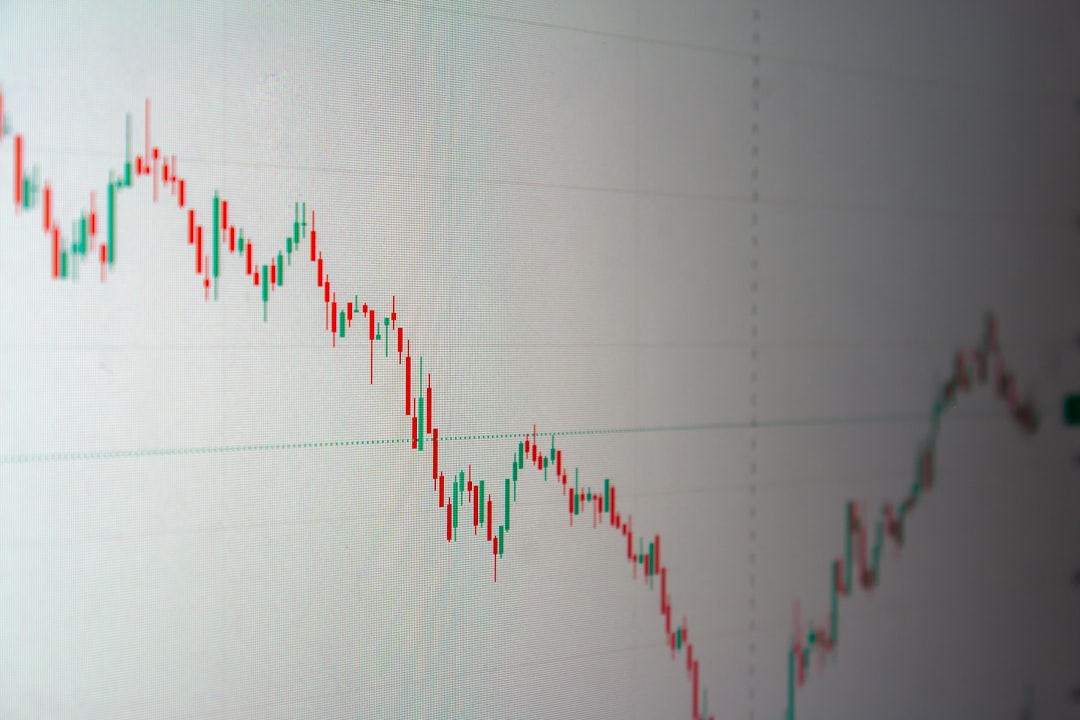
1. Choose Your Direction: Analyze the ETH/SOL chart. Look for clear trendlines, support/resistance levels, or divergence patterns. For example, if ETH has been consolidating while SOL breaks down, the ratio may be poised to rise.
2. Calculate the Ratio: Determine the current ratio (e.g., 0.05 ETH per 1 SOL). This tells you how much of one coin equals the other.
3. Enter the Trade: If you believe ETH will outperform, you go long ETH and short SOL in a value-equivalent amount. For instance, if you want $10,000 exposure, you buy $10,000 of ETH and short $10,000 of SOL.
4. Monitor the Ratio: As the ratio moves in your favor, your net position becomes profitable. The beauty is that it is market-neutral: if both coins drop 20%, but ETH drops only 15%, you still profit from the relative outperformance.
Risk Management
Ratio trading reduces directional risk but does not eliminate it. Here are key rules:
- Use Leverage Sparingly: A 2x or 3x leverage is often enough. Higher leverage can liquidate you on a temporary divergence.
- Set a Stop-Loss on the Ratio: Decide a percentage move against you (e.g., 5-10%) and exit the entire pair. Do not hold onto a losing ratio trade hoping for a reversal.
- Watch for Correlated Moves: If the entire crypto market crashes, both ETH and SOL may drop together, but the ratio can still swing wildly. Stay disciplined.
- Position Sizing: Never risk more than 2-5% of your portfolio on a single ratio trade. The pair can be volatile even if the broader market is calm.
Conclusion
Ethereum vs Solana ratio trading is a sophisticated yet accessible way to profit from the competition between two blockchain giants. It rewards analysis of relative strength and technical patterns while reducing exposure to Bitcoin-driven market swings. Start with small positions, practice on a demo account, and you’ll soon see how this strategy can become a powerful tool in your trading arsenal. Remember, the goal is not to pick a winner—it’s to profit from the race itself.
Real World Assets (RWA): How Tokenization Changes Investing
Tokenization of real-world assets (RWAs) is reshaping the investment landscape by bringing physical and traditional financial assets onto blockchain networks. This guide explores how RWAs work, their benefits, risks, and practical tips for investors.
Introduction
Real World Assets (RWAs) refer to tangible or intangible assets that exist outside the blockchain—such as real estate, commodities, bonds, art, or invoices—that are represented as digital tokens on a distributed ledger. Tokenization enables fractional ownership, increased liquidity, and global accessibility, democratizing access to asset classes that were previously reserved for institutional investors or high-net-worth individuals.
Key Concepts
- Tokenization: The process of issuing a blockchain token that digitally represents a real-world asset. Each token corresponds to a share or claim on the underlying asset.
- Fractional Ownership: Investors can buy small portions of high-value assets (e.g., a fraction of a commercial building) instead of the whole asset.
- Liquidity: Tokenized assets can be traded on secondary markets 24/7, reducing the traditional illiquidity of assets like real estate.
- Smart Contracts: Self-executing contracts automate compliance, dividend distribution, and ownership transfers.
- Regulatory Compliance: RWAs often require KYC/AML checks and may be subject to securities laws depending on jurisdiction.
Pro Tips
- Always verify the legal structure and custody of the underlying asset before investing.
- Look for platforms that conduct third-party audits and provide transparent on-chain proof of reserves.
- Start with smaller allocations to understand the mechanics of tokenized assets and their price behavior.
- Diversify across different RWA categories (real estate, bonds, commodities) to mitigate sector-specific risks.
FAQ Section
What are Real World Assets (RWAs) in crypto?
RWAs are physical or traditional financial assets that have been tokenized on a blockchain, allowing them to be traded, owned, and transferred digitally.
How does tokenization change investing?
Tokenization lowers barriers to entry, enables fractional ownership, increases liquidity, and allows for global trading of assets that were previously illiquid and accessible only to large investors.
What types of assets can be tokenized?
Common examples include real estate, government and corporate bonds, commodities (gold, oil), art, collectibles, invoices, and intellectual property.
Are tokenized RWAs regulated?
Regulation varies by jurisdiction. Many tokenized securities must comply with local securities laws, including KYC/AML requirements. Always check the legal status in your country.
What are the risks of investing in RWAs?
Risks include smart contract bugs, regulatory changes, custody risks, fraud, and the potential for the underlying asset to lose value. Due diligence is essential.
Conclusion
Tokenization of real-world assets is a transformative trend that bridges traditional finance and decentralized technology. By enabling fractional ownership, global liquidity, and automated compliance, RWAs open up new opportunities for retail and institutional investors alike. However, careful research, regulatory awareness, and risk management remain critical. For more details on this, check out our guide on Mastering the Markets: A Beginner’s Guide to Japanese Candlestick Patterns. You might also be interested in reading about Tax Loss Harvesting in Crypto: A Guide for Traders.
Risks of Investing in Real World Assets: A Candid Guide
Real World Assets (RWAs) represent a transformative bridge between traditional finance (TradFi) and decentralized finance (DeFi). By tokenizing tangible or intangible assets—such as real estate, bonds, commodities, and credit—on a blockchain, RWAs enable fractional ownership, 24/7 liquidity, and enhanced transparency. However, the off-chain vs. on-chain distinction is critical: while the asset itself exists in the physical world, its digital representation on-chain introduces unique risks that every investor must understand.
How Tokenization Works
The technical process of RWA tokenization typically follows these steps:
- Asset Sourcing: An asset (e.g., a commercial real estate property) is identified and legally structured into a Special Purpose Vehicle (SPV).
- Tokenization: The SPV issues digital tokens representing fractional ownership, recorded on a blockchain (e.g., Ethereum or Polygon).
- Oracle Integration: Oracles feed real-world data—such as property valuations or interest rates—onto the blockchain to maintain price accuracy.
- Smart Contracts: Automated contracts handle distribution of yields, voting rights, and secondary market trading.
Investment Analysis: Pros, Cons, and Risks
Pros
- Fractional Ownership: Investors can buy small portions of high-value assets like prime real estate or corporate bonds.
- 24/7 Liquidity: Tokenized assets can trade on decentralized exchanges, reducing traditional lock-up periods.
- Transparency: On-chain records provide immutable proof of ownership and transaction history.
Cons and Risks
- Regulatory Uncertainty: Jurisdictions vary widely on how tokenized assets are classified—securities, commodities, or something else. A sudden regulatory shift can freeze markets or impose costly compliance burdens.
- Smart Contract Risk: Bugs or exploits in the tokenization protocol can lead to loss of funds. Even audited contracts are not immune.
- Oracle Manipulation: If the oracle providing real-world data is compromised, token prices can deviate from actual asset values.
- Counterparty Risk: The SPV or asset manager may default, mismanage the asset, or engage in fraud.
- Liquidity Fragmentation: While 24/7 trading is possible, actual liquidity depends on market depth—thin order books can cause slippage.
For a broader market view, check out our analysis on How to Secure Your Crypto Wallet: A Step-by-Step Guide.
Investors often compare this to Brazil Central Bank Bans Crypto Settlement in Regulated Cross-Border Payments.
Tool Recommendation
When trading tokenized RWAs, low fees are crucial for this strategy. We recommend MEXC, a centralized exchange that offers competitive trading fees and a wide selection of RWA tokens. Its robust infrastructure supports both spot and futures trading, making it a practical choice for active investors. Start trading today at: https://promote.mexc.co/a/PefPNW2g.
FAQ Section
What is the biggest risk of investing in tokenized real estate?
The primary risk is regulatory uncertainty. If a government reclassifies tokenized real estate as a security, secondary trading may be restricted, and investors could face unexpected tax or legal obligations.
How do smart contract failures affect RWA investments?
Smart contract failures—such as coding bugs or exploits—can lock funds permanently or allow attackers to drain the token pool. Always verify that the protocol has undergone multiple independent audits and has a bug bounty program.
Can I lose my investment if the underlying asset loses value?
Yes. Tokenization does not eliminate market risk. If the real-world asset (e.g., a commercial building) depreciates, the token value will fall accordingly. Diversification and due diligence on the asset manager are essential.
Conclusion
Real World Assets offer a compelling opportunity to merge the stability of traditional investments with the efficiency of blockchain technology. However, the risks—regulatory, technical, and operational—are significant and require careful navigation. Investors should prioritize platforms with strong compliance records, audited smart contracts, and transparent asset management. While the potential for fractional ownership and liquidity is real, a candid assessment of these risks is the foundation of sound investment strategy.
Ripple and Solana Join Forces? A Beginner’s Guide to Blockchain Privacy and Protocol Names
Why are leaders from rival crypto communities like Ripple and Solana suddenly talking about the same thing? In a surprising moment of cross-chain collaboration, David Schwartz, the former Chief Technology Officer (CTO) of Ripple, recently jumped into a Solana-focused discussion to suggest names for a new privacy protocol. For crypto learners, this event highlights a growing theme in the industry: blockchain privacy. This guide explains what blockchain privacy is, why it matters to you, and how this naming brainstorm connects to real-world development. You’ll learn why privacy is becoming a shared goal across different networks, the technical tools being built to achieve it, and what it means for your security and transactions.
Read time: 10-12 minutes
Understanding Blockchain Privacy for Beginners
Blockchain privacy refers to the ability to keep transaction details hidden while still ensuring the network remains secure and verifiable. Think of it like a sealed envelope in a clear glass mailbox. Everyone can see that a letter was sent, but only the sender and receiver can read the contents. Most popular blockchains are like transparent ledgers, where anyone can see your wallet balance and who you sent money to.
Why was this created? The original design of blockchains like Bitcoin and Ethereum prioritized transparency to build trust. However, this openness makes it easy for others to track your financial history. Blockchain privacy tools solve this problem by allowing you to transact without revealing sensitive data, like how much you own or who you pay.
A real-world crypto example is using a privacy protocol to donate to a charity. You want the donation to be verified on the blockchain, but you don’t want the public to see your entire portfolio or link the donation back to you personally. Zero-knowledge proofs (ZK proofs) are a common technology used here. They allow one party to prove to another that a statement is true (like “I have enough funds”) without revealing any specific information (like “My balance is 10 BTC”).
The Technical Details: How Privacy Protocols Actually Work
The recent discussion between David Schwartz and Helius CEO Mert Mumtaz centered on naming a new protocol, but the real work happens through sophisticated cryptography. Here are the key components that make blockchain privacy possible:
- Zero-Knowledge Proofs (ZK-Proofs): A method where one computer program proves it knows a secret without revealing the secret itself. For example, a ZK-proof can confirm a transaction is valid without showing the amount, the sender, or the receiver.
- Encryption: Scrambling data so that only someone with a specific key can read it. In privacy protocols, transaction details are often encrypted, and only the involved parties can unscramble the information.
- Mixing/Shuffling: A process where multiple transactions are combined and re-ordered in a way that makes it impossible to trace which output belongs to which input. This is like mixing everyone’s keys in a bowl before handing them back.
- Decentralized Validators: Special nodes on the network that verify transactions using ZK-proofs. They ensure the transaction follows the rules without ever seeing the underlying data.
How these pieces interact: First, a user creates a transaction and encrypts the details. Then, a decentralized validator uses ZK-proofs to check the transaction is valid (e.g., the user has enough funds). Once verified, the transaction is added to the blockchain, but the encrypted details remain hidden. This structure matters because it balances security (transactions are still verifiable) with privacy (data is hidden).
Visual Cue: Flow diagram of a ZK-proof transaction on a blockchain.
Current Market Context: Why This Matters Now
As of late 2025, privacy has surged as a top priority in the crypto market, moving from a niche interest to a mainstream necessity. This recent interaction between a Ripple veteran and a Solana leader is not just a social media moment—it reflects a broader industry shift.
Recent developments show that Solana privacy work has moved beyond debate. In April 2025, SOL Strategies agreed to acquire Darklake Labs, a Solana-native zero-knowledge privacy startup, for $1.2 million. Darklake’s Zyga system targets private transaction execution and MEV (Maximal Extractable Value) protection on Solana. This product aims to hide sensitive order data from bots and front-runners while still allowing validators to verify transactions through ZK proofs.
This news is significant because it shows that capital is flowing into privacy infrastructure. Meanwhile, institutions are also entering the space. A recent Coinbase-led study with researchers from Stanford and the Ethereum Foundation found that some ZK privacy systems are not exposed to the same quantum computing risks as standard blockchain signatures, making them a more future-proof option.
Competitive Landscape: How Privacy Approaches Compare
Different blockchains are taking different paths toward privacy. Here’s how Ripple’s XRP Ledger, Solana, and Ethereum compare:
| Feature | XRP Ledger (via Ripple) | Solana | Ethereum |
|---|---|---|---|
| Primary Privacy Method | Built-in features like “Account Delete” and “Payment Channels” offer partial obfuscation. | Focus on ZK-rollups and layer-2 solutions like Darklake’s Zyga. | Uses layer-2 solutions like Aztec, StarkNet, and zkSync for private transactions. |
| User Control | Users choose to use optional privacy features. | Privacy is integrated into specific dApps or protocols. | Users must actively opt into private layer-2 networks. |
| Speed & Cost | Very fast and low-cost, but less developed for complex privacy. | High speed, but ZK computation can be resource-intensive. | Layer-2 solutions are fast, but mainnet transaction fees can be high. |
| Institutional Adoption | Strong with banks and payment providers. | Growing with developers and DeFi protocols. | Strong with DeFi and NFT projects, but privacy is less embedded. |
Why this matters for users: If you value privacy, you need to choose an ecosystem that supports your needs. Solana is pushing hard on ZK technology, while Ethereum has a more established but fragmented privacy landscape. The Ripple connection shows that even older projects like XRP are aware that privacy is becoming a competitive advantage.
Practical Applications: Real-World Use Cases
Why should you care about blockchain privacy? Here are concrete scenarios where it makes a difference:
- Private Payments: Send money to a friend or business without revealing your total net worth or transaction history. Benefits: Retail investors and individuals.
- Protecting Against Front-Running: When you place a large trade on a decentralized exchange (DEX), bots can see your order and buy ahead of you, driving up the price. Privacy protocols hide your trade until it’s executed. Benefits: DeFi traders and yield farmers.
- Secure Business Transactions: A company can pay suppliers or employees on-chain without competitors seeing their payment schedules or contract terms. Benefits: Institutional investors and businesses.
- Whistleblowing & Donations: Donate to controversial causes or leak information without exposing your identity to potential retaliation. Benefits: Activists and journalists.
- Regulatory Compliance without Transparency: Prove to a regulator that you have paid taxes or followed rules without showing them every single transaction. Benefits: Individuals and regulated entities.
Risk Analysis: Expert Perspective
While blockchain privacy is powerful, it is not without risks. Mert Mumtaz, CEO of Helius, has stated, “Privacy is not a narrative, private money is the entire purpose of crypto.” However, experts caution about the following:
Primary Risks:
1. Regulatory Scrutiny: Privacy protocols can be used for money laundering or sanctions evasion. Regulators like the SEC (US) and EU (under MiCA) are actively monitoring these tools. Some governments may ban or restrict their use.
2. Technical Complexity: Using privacy tools correctly requires more technical knowledge than a standard transaction. A small mistake (e.g., linking two addresses) can undo all privacy protections.
3. Liquidity Issues: Some privacy protocols have smaller liquidity pools, leading to higher slippage or difficulty executing large trades.
4. False Sense of Security: Not all privacy solutions are equal. Some only offer partial privacy (like hiding amounts but not addresses), which can be misleading for beginners.
Mitigation Strategies:
- Use Reputable Protocols: Stick to well-audited, open-source projects with active developer communities.
- Understand the Limits: Know exactly what data is hidden and what remains visible.
- Stay Informed on Law: Keep up to date with regulations in your jurisdiction regarding privacy tools.
Expert Consensus: The development community generally agrees that privacy is essential for crypto’s long-term survival, but it must be balanced with compliance to avoid being outlawed entirely.
Beginner’s Corner: Quick Start Guide
If you’re interested in trying a blockchain privacy protocol, here is a simple step-by-step guide using a hypothetical Solana-based ZK app:
Step 1: Choose a Secure Wallet
- Action: Download a reputable wallet like Phantom or Solflare for Solana.
- Why: A secure wallet is the foundation for all your crypto activity, including private transactions.
Step 2: Acquire a Privacy Token
- Action: Buy a small amount of a privacy-focused token (e.g., USDC) and ensure you have a tiny amount of SOL for gas fees.
- Why: You need fuel (gas) to perform any transaction, including privacy ones.
Step 3: Navigate to the Privacy App
- Action: Go to the official website of a ZK privacy protocol (e.g., Darklake’s interface or a similar dApp).
- Why: Always verify the URL independently to avoid phishing sites.
Step 4: Create a Privacy Vault
- Action: Follow the app’s instructions to “deposit” or “shield” your tokens. This usually involves generating a new, private address.
- Why: This step takes your transparent tokens and locks them into the privacy system, creating a new, hidden balance.
Step 5: Make a Private Transaction
- Action: Use the app’s interface to send a small amount to another wallet address. The app will provide a proof that the transaction occurred without revealing the details.
- Why: This is the moment you experience true blockchain privacy.
Security Best Practice: Never share your “spending key” or any recovery phrases related to the privacy vault. Losing this key means losing access to your private funds permanently.
Future Outlook: What’s Next
The development of blockchain privacy is accelerating. David Schwartz’s naming suggestions—including Umbra, Veil, Solstice, Nyx, Specter, Obsidian, and Obscurant—are just creative ideas, but they signal that serious minds are thinking about this space.
Looking forward, we can expect:
1. More Acquisitions: Larger companies will continue to buy smaller ZK startups to integrate privacy features directly into their main blockchain.
2. Regulatory Clarity: By 2026, the EU’s MiCA framework and potential US guidance will likely provide clearer rules on how privacy protocols must operate, especially regarding AML/KYC.
3. Easier-to-Use Tools: The current complexity of ZK tools will decrease. Expect “one-click” privacy options within mainstream wallets.
4. Cross-Chain Privacy: Protocols that allow private transfers between different blockchains (e.g., from Solana to Ethereum) are in development.
Speculation Boundary: It is important to note that David Schwartz’s post was a light naming suggestion, not a formal product announcement. There is no confirmed partnership between Ripple, Helius, or Solana Labs. Always verify such developments before making any investment decisions.
Key Takeaways
- Blockchain privacy uses zero-knowledge proofs and encryption to hide transaction details while keeping the network secure and verifiable.
- A Ripple veteran’s recent involvement in a Solana privacy discussion highlights that privacy is a cross-chain priority, not a niche issue.
- Solana’s acquisition of Darklake Labs for $1.2 million shows real capital and development are flowing into privacy infrastructure, beyond just social media debates.
- Users benefit from privacy through protection from front-running, secure business deals, and personal financial security, but must be aware of regulatory and technical risks.
,
“datePublished”: “2026-05-11T06:01:41.083-04:00”,
“dateModified”: “2026-05-11T06:01:41.083-04:00”,
“mainEntity”: {
“@type”: “Thing”,
“name”: “Blockchain Privacy”
}
}
Mastering Supply and Demand Zones: The Blueprint for High-Probability Trades
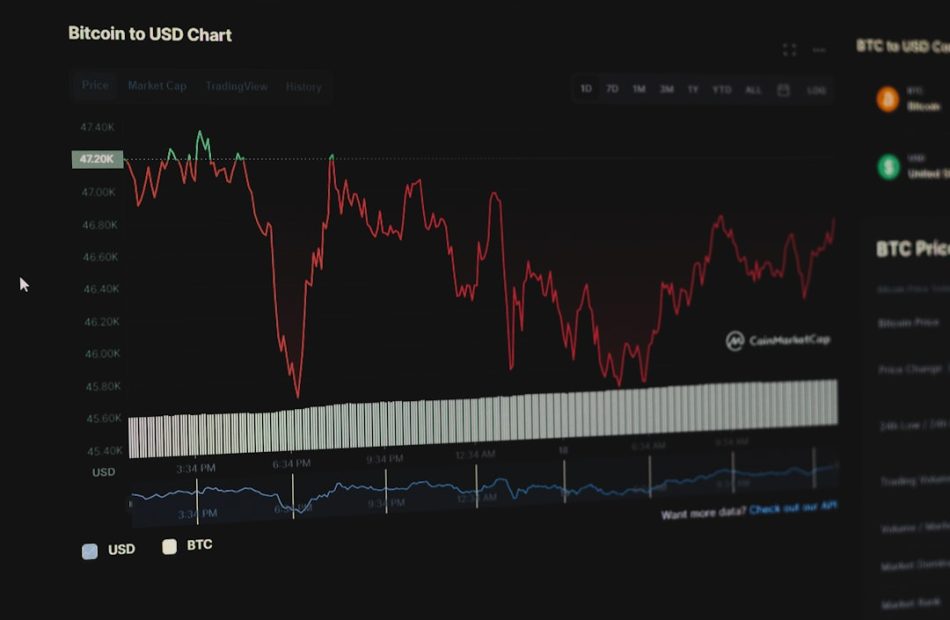
Imagine being able to look at a chart and instantly know where the big money is waiting to buy or sell. That’s the power of Supply and Demand zones. Unlike clunky support and resistance lines, these zones represent actual order imbalances—areas where institutions have stepped in with massive volume. Once you learn to spot them, you’ll stop chasing price and start waiting for it to come to you.
How It Works
Supply and Demand trading is rooted in the simple economics of price action. A Supply Zone is a price area where sellers have overwhelmed buyers, causing a sharp drop. A Demand Zone is where buyers have overwhelmed sellers, causing a sharp rise. The key is that these zones act like magnets: price often returns to retest them before continuing in the original direction.
Think of it this way: when a big bank or fund wants to buy a huge amount of Bitcoin, they can’t just slap a market order. They need to accumulate slowly, creating a base (the demand zone). Once they’ve filled their bags, they let price run. When it returns to that zone, they often defend it again—or trap latecomers.
The Setup
1. Identify a strong move: Look for a long green candle (demand) or red candle (supply) that breaks cleanly from a consolidation area. The base before the move is your zone.
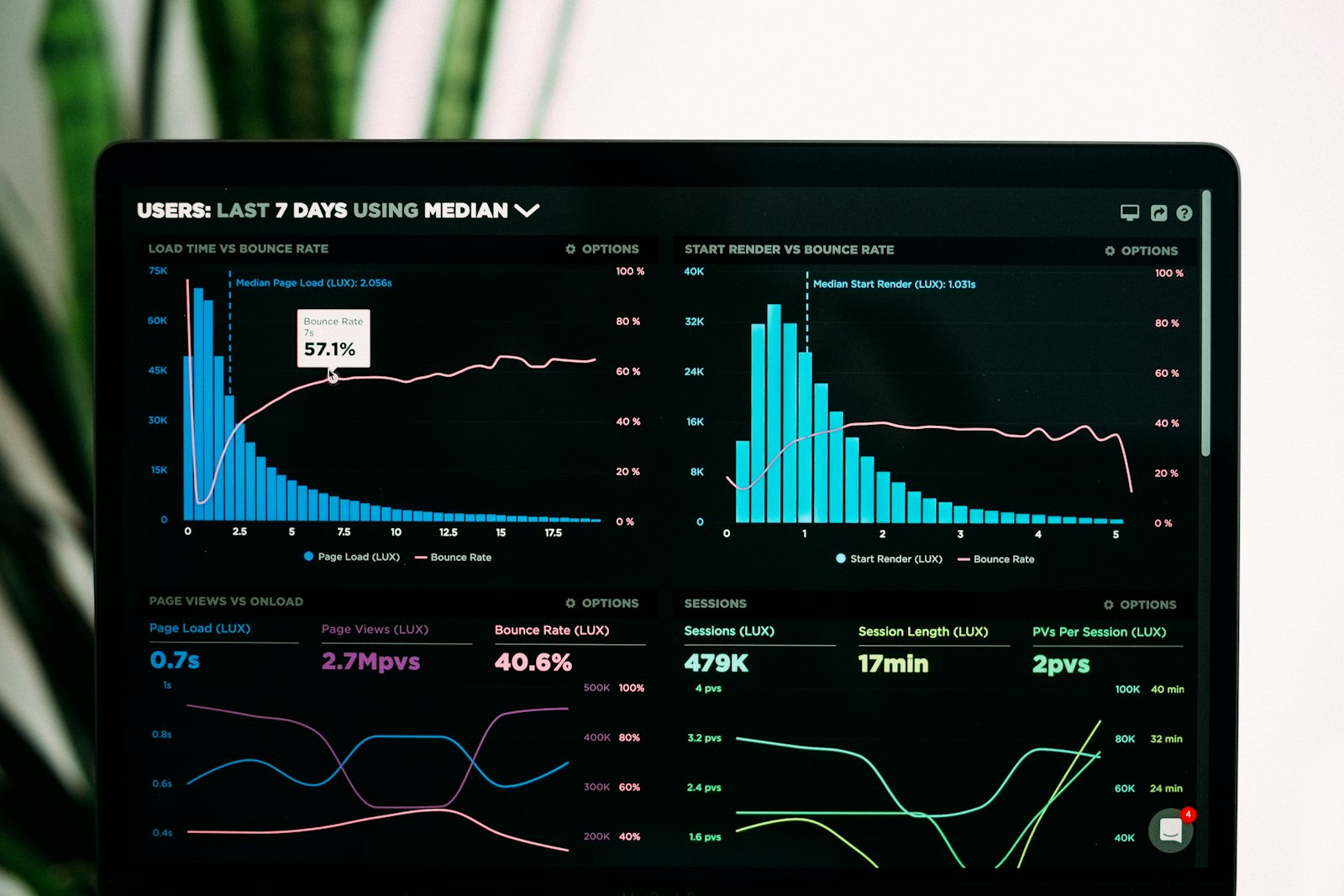
2. Draw the zone: Mark the base as a rectangle. For a demand zone, the bottom is the lowest wick of the base, and the top is the highest wick before the breakout. For supply, reverse it.
3. Wait for a retest: Price will often come back to the zone. Be patient. Don’t chase—let price come to you.
4. Enter on confirmation: Look for a reversal candlestick pattern (e.g., pin bar, engulfing) at the zone edge. For demand zones, buy on a bullish rejection. For supply, sell on a bearish rejection.
5. Set targets: Aim for the next major zone or a 1:2 risk-to-reward ratio. Many traders use the previous swing high/low as a target.
Risk Management
No zone is 100% reliable. Here’s how to protect your capital:
- Stop loss: Place it just beyond the zone. For a demand zone, put your stop below the base. For supply, above the base.
- Position size: Never risk more than 1-2% of your account on a single trade. If the zone is wide, reduce your size.
- Invalidation: If price slices through the zone with strong momentum (e.g., a big candle closing beyond it), the zone is broken. Exit immediately. Don’t hope.
- Multiple timeframes: Check higher timeframes (e.g., 4H or daily) to ensure your zone aligns with major structure. A 15-minute zone that sits inside a daily supply zone is much more powerful.
Conclusion
Supply and Demand zones give you a trader’s edge by revealing where the real action happens. They turn chaotic charts into a clear roadmap. Start by practicing on a demo account—mark every strong move and watch how price reacts on retests. Over time, you’ll develop an intuition for zones that feel like second nature. Remember: the market doesn’t move randomly. It moves from one zone of imbalance to the next. Your job is to ride those waves.
The Rise of AI Agents in Crypto: A Complete Guide
Artificial intelligence is reshaping the cryptocurrency landscape. From automated trading bots to decentralized AI marketplaces, AI agents are becoming a cornerstone of the next crypto cycle. This guide explains what AI agents are, how they work in crypto, and how you can leverage them.
Key Concepts
- AI Agent: A software program that autonomously performs tasks—like trading, data analysis, or content generation—using machine learning and predefined rules.
- On-Chain AI: AI models or agents that interact directly with blockchain smart contracts, enabling trustless automation.
- DeFAI (Decentralized Finance + AI): The intersection of DeFi protocols and AI agents for yield optimization, risk management, and portfolio rebalancing.
- AI Token: Native tokens of AI-focused crypto projects (e.g., Render, Fetch.ai, Bittensor) used for governance, compute power, or agent payments.
Pro Tips
- Start with established AI tokens that have real use cases and active development teams.
- Use AI agents for market analysis, but always verify critical decisions manually—especially in volatile conditions.
- Look for projects that combine AI with decentralized data oracles for more reliable predictions.
- Monitor gas fees when using on-chain AI agents; high fees can eat into profits.
💡 Pro Tip
Looking for altcoin opportunities and smooth trading? Try KuCoin.
FAQ
What is an AI agent in crypto?
An AI agent in crypto is an autonomous software program that performs tasks like trading, data analysis, or portfolio management using machine learning, often interacting with blockchain smart contracts.
Are AI agents safe to use?
Most reputable AI agents are safe, but always audit the code, check community reviews, and never grant excessive permissions to your wallet.
Can AI agents predict crypto prices?
No AI can predict prices with certainty. AI agents analyze patterns and probabilities, but markets remain highly unpredictable.
What are the best AI crypto projects?
Popular projects include Fetch.ai (FET), Render (RNDR), Bittensor (TAO), and SingularityNET (AGIX). Always do your own research.
For more details on this, check out our guide on Satoshi’s Bitcoin Explained: Why the Crypto Community Wants Coins Left Untouched.
You might also be interested in reading about How to Bridge Assets Across Blockchains Safely: A Complete Guide.
Conclusion
AI agents are not just a trend—they represent a fundamental shift in how we interact with crypto markets and decentralized systems. By understanding the key concepts, following pro tips, and staying informed, you can position yourself ahead of the curve. Whether you’re a trader, developer, or investor, the AI-crypto convergence offers exciting opportunities.
Stablecoin Yield Strategies: Low Risk Farming for Consistent Returns
In the volatile world of cryptocurrency, stablecoins offer a safe harbor. But simply holding them means missing out on potential gains. Enter stablecoin yield farming—a strategy that lets you earn passive income on your stable assets with relatively low risk. This guide covers the best low-risk strategies, key concepts, and pro tips to help you maximize returns while minimizing exposure.
Key Concepts
What Are Stablecoins?
Stablecoins are cryptocurrencies pegged to a stable asset like the US dollar (e.g., USDT, USDC, DAI). They maintain a 1:1 value, making them ideal for yield farming without the wild price swings of Bitcoin or Ethereum.
Yield Farming Basics
Yield farming involves lending or staking your crypto assets in decentralized finance (DeFi) protocols to earn interest or rewards. For stablecoins, this typically means providing liquidity to pools, lending on platforms like Aave or Compound, or using automated market makers (AMMs).
Low-Risk Strategies
- Lending on Money Markets: Deposit stablecoins into protocols like Aave or Compound to earn variable APY (often 2-8%).
- Liquidity Pools on Major DEXs: Provide stablecoin pairs (e.g., USDC/USDT) on Uniswap or Curve for trading fees and token rewards.
- Yield Aggregators: Use platforms like Yearn Finance or Beefy to auto-compound yields across multiple strategies.
- Staking on CEXs: Centralized exchanges like Bitget offer fixed or flexible savings accounts for stablecoins with competitive rates.
Pro Tips
- Diversify Across Protocols: Don’t put all your stablecoins in one platform. Spread risk across 3-5 reputable protocols.
- Watch for Impermanent Loss: Even with stablecoins, pairs like USDC/DAI can experience slight de-pegs. Stick to deep liquidity pools.
- Audit Smart Contracts: Only use protocols that have been audited by top firms like Certik or Trail of Bits.
- Monitor Gas Fees: On Ethereum, high gas can eat into small yields. Consider L2s like Arbitrum or Polygon for lower costs.
- Use Auto-Compounding: Let platforms reinvest your rewards automatically to benefit from compound interest.
FAQ Section
Is stablecoin yield farming really low risk?
Compared to trading volatile assets, yes. However, risks include smart contract bugs, protocol hacks, and de-pegging events. Always do your own research.
What are the best platforms for stablecoin yield farming?
Top choices include Aave, Compound, Curve Finance, Yearn Finance, and centralized exchanges like Bitget for simplicity.
How much can I earn from stablecoin farming?
APYs typically range from 2% to 15% depending on the platform and market conditions. Some promotional pools offer higher rates.
Do I need to pay taxes on yield farming rewards?
Yes, in most jurisdictions, yield farming rewards are considered taxable income. Consult a tax professional for your specific situation.
Can I lose my principal?
In low-risk strategies, principal loss is unlikely but possible if a protocol is exploited or a stablecoin de-pegs. Stick to blue-chip platforms.
Conclusion
Stablecoin yield farming is one of the safest ways to generate passive income in crypto. By understanding the key concepts, following pro tips, and using trusted platforms like Bitget, you can earn consistent returns without taking on excessive risk. For more details on this, check out our guide on Leveraged Trading Explained: What a $1.31M TON Bet Means for Beginners. You might also be interested in reading about Beyond the Hype: How to Value GameFi Projects Like a Pro.