
Ride the Trend with Confidence: The 200-Day Moving Average Filter
Imagine trying to sail across the ocean without checking the wind direction. You’d waste energy, get frustrated, and likely end up going nowhere fast. Trading without a trend filter is exactly the same. The 200-Day Moving Average (200-MA) is one of the most reliable compasses in crypto trading — it tells you whether the wind is at your back or in your face.
How It Works
The 200-Day Moving Average is simply the average closing price of an asset over the last 200 days. It smooths out daily noise and reveals the underlying long-term trend. When price is above the 200-MA, the market is in a long-term uptrend (bullish). When price is below it, the market is in a long-term downtrend (bearish).
This isn’t a crystal ball — it’s a filter. It helps you avoid buying into falling knives or shorting rockets. By only taking trades in the direction of the 200-MA, you stack the odds in your favor.
The Setup
Here’s a simple but powerful way to use the 200-MA as a trend filter:
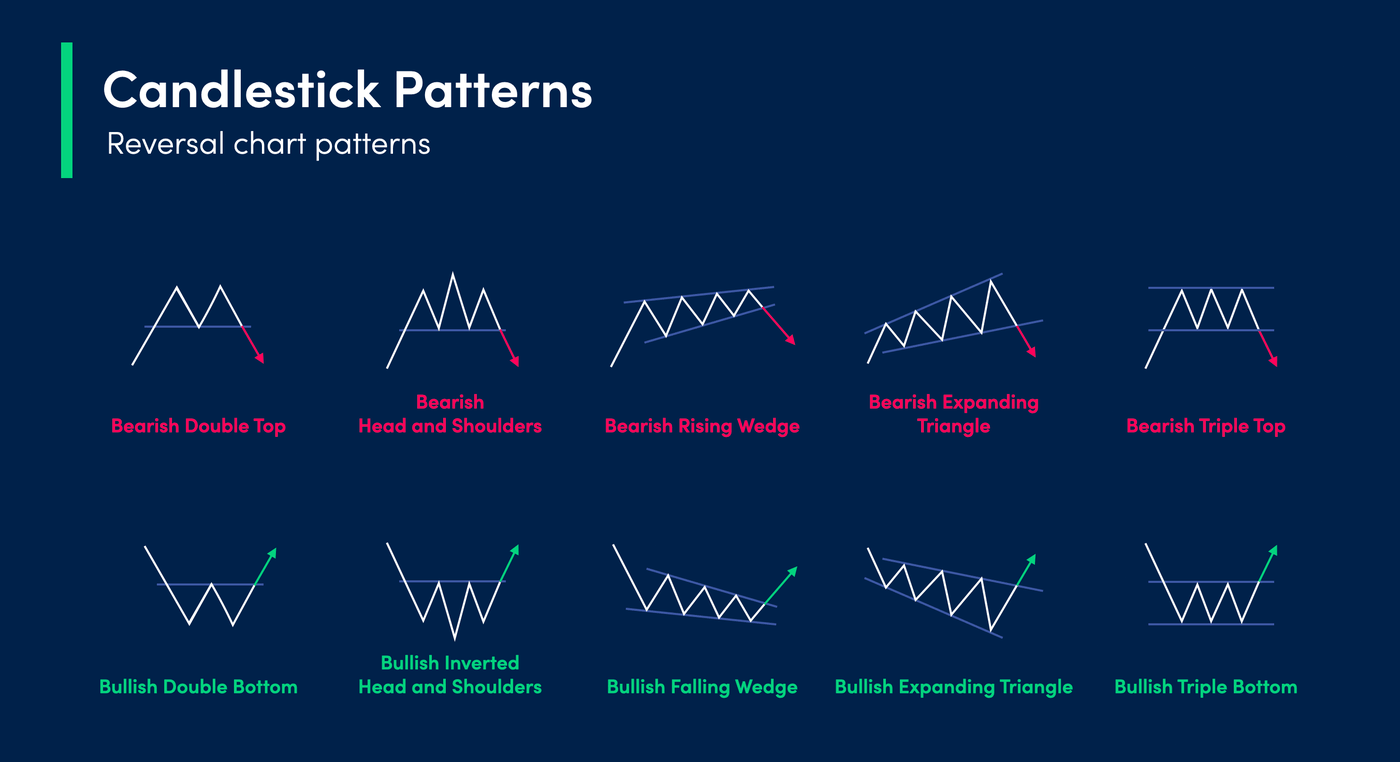
1. Identify the Trend: Look at a daily chart. Is price above or below the 200-MA? If above, you’re only looking for long (buy) trades. If below, you only consider short (sell) trades.
2. Entry Trigger: Wait for a pullback or a smaller moving average crossover (e.g., 50-MA crossing above 20-MA) that aligns with the 200-MA direction.
3. Example: Bitcoin is trading at $30,000 and the 200-MA is at $25,000. Price is above — bullish bias. You see a pullback to $28,500 with a bullish candlestick pattern. That’s your entry.
This keeps you from fighting the dominant trend. You’re not trying to pick tops or bottoms; you’re simply riding the wave.
Risk Management
No strategy works without managing risk. Here’s how to protect your capital:
- Stop Loss: Place your stop loss below the 200-MA itself or below a recent swing low (whichever is tighter). If the trend is truly strong, price should not violate this level.
- Position Size: Never risk more than 1-2% of your total account on a single trade. The 200-MA filter reduces false signals, but it’s not perfect.
- Re-evaluate on Breaks: If price closes decisively below the 200-MA (in a long setup), exit immediately. The trend has likely shifted.
Remember: The 200-MA is a lagging indicator. It won’t catch the very first move of a new trend, but it will keep you in the big moves and out of major drawdowns.
Conclusion
The 200-Day Moving Average trend filter is not a get-rich-quick scheme — it’s a disciplined framework. It forces you to trade with the market’s momentum instead of against it. Start by adding the 200-MA to your daily chart today. Let it be the voice that says, “Is this trade aligned with the big picture?” If the answer is no, walk away. If yes, you’ve just given yourself a massive edge. Trade smart, stay patient, and let the trend be your friend.
Mastering Supply and Demand Zones: The Trader’s Guide to High-Probability Entries
Have you ever watched a market reverse perfectly at a level you didn’t see coming? That’s the power of supply and demand zones. Unlike traditional support and resistance, which are single lines, zones represent areas where institutions are actively buying or selling. In this post, you’ll learn how to spot these zones and use them to catch big moves with confidence.
How It Works
Supply and demand zones are rooted in basic economics: when demand exceeds supply, price rises; when supply exceeds demand, price falls. In trading, a demand zone is a price area where buying pressure is so strong that it pushes price up. A supply zone is where selling pressure overwhelms buyers, causing price to drop. These zones form after sharp moves away from a consolidation area—think of them as the launchpad for a trend.
The Setup
To identify a zone, look for a strong, impulsive candle (or series of candles) that breaks out of a tight range. The base of that move—the consolidation before the breakout—is your zone. Mark it as a rectangle, not a line. For a demand zone, the base is below the breakout; for a supply zone, it’s above. Wait for price to return to that zone, then look for confirmation like a bullish or bearish engulfing candle before entering. The key is patience: let price come to you.
Risk Management
Every zone trade needs a plan. Place your stop loss just beyond the zone’s edge—if price breaks through, the zone is invalid. For a demand zone, set your stop below the base; for a supply zone, above it. Aim for a risk-to-reward ratio of at least 1:2. If the zone is strong, you might see price bounce multiple times, but never risk more than 1-2% of your account on a single trade. Remember, zones are areas of interest, not guarantees.
Conclusion
Supply and demand zones give you a clear, institutional edge. Start by marking them on a daily chart, then practice on lower timeframes. The more you observe, the better you’ll get at spotting high-probability setups. Trade smart, stay patient, and let the zones guide your decisions.
Mastering Supply and Demand Zones: The Trader’s Guide to High-Probability Entries
Have you ever watched a market reverse perfectly at a level you didn’t see coming? That’s the power of supply and demand zones. Unlike traditional support and resistance, which are single lines, zones represent areas where institutions are actively buying or selling. In this post, you’ll learn how to spot these zones and use them to catch big moves with confidence.
How It Works
Supply and demand zones are rooted in basic economics: when demand exceeds supply, price rises; when supply exceeds demand, price falls. In trading, a demand zone is a price area where buying pressure is so strong that it pushes price up. A supply zone is where selling pressure overwhelms buyers, causing price to drop. These zones form after sharp moves away from a consolidation area—think of them as the launchpad for a trend.
The Setup
To identify a zone, look for a strong, impulsive candle (or series of candles) that breaks out of a tight range. The base of that move—the consolidation before the breakout—is your zone. Mark it as a rectangle, not a line. For a demand zone, the base is below the breakout; for a supply zone, it’s above. Wait for price to return to that zone, then look for confirmation like a bullish or bearish engulfing candle before entering. The key is patience: let price come to you.
Risk Management
Every zone trade needs a plan. Place your stop loss just beyond the zone’s edge—if price breaks through, the zone is invalid. For a demand zone, set your stop below the base; for a supply zone, above it. Aim for a risk-to-reward ratio of at least 1:2. If the zone is strong, you might see price bounce multiple times, but never risk more than 1-2% of your account on a single trade. Remember, zones are areas of interest, not guarantees.
Conclusion
Supply and demand zones give you a clear, institutional edge. Start by marking them on a daily chart, then practice on lower timeframes. The more you observe, the better you’ll get at spotting high-probability setups. Trade smart, stay patient, and let the zones guide your decisions.
Unlocking the Future: How to Value DePIN Projects Like a Pro
Imagine a world where your smartphone, car, or even your home router earns you passive income. That’s the promise of Decentralized Physical Infrastructure Networks (DePIN). These projects incentivize people to contribute real-world resources—like storage, bandwidth, or sensor data—to a decentralized network. But here’s the million-dollar question: how do you value these projects? Unlike traditional tech stocks, DePIN tokens don’t have P/E ratios or balance sheets. Yet, understanding their valuation is the key to spotting the next 100x opportunity. In this guide, I’ll break down the simple, actionable metrics you need to evaluate DePIN projects like a seasoned pro.
The Strategy Explained
How it Works
DePIN valuation isn’t about guessing—it’s about measuring real-world utility. Think of a DePIN project as a two-sided marketplace: suppliers (those providing resources) and consumers (those paying for the service). The value of the token is tied to the network’s ability to attract and retain both sides. The core metric? Network Revenue. This is the total fees paid by consumers to use the infrastructure. If a project like Helium (for IoT) or Filecoin (for storage) generates millions in annual revenue, the token has a fundamental floor. Compare this to the token’s market cap to get a “Price-to-Sales” (P/S) ratio—a simpler, crypto-native version of traditional finance.
The Setup
To value a DePIN project, start by checking on-chain data dashboards (like Messari, TokenTerminal, or the project’s own explorer). Look for these three key numbers:
1. Annualized Network Revenue: Multiply the last 30 days of fees by 12.
2. Token Supply & Market Cap: Use CoinGecko or CoinMarketCap.
3. Resource Utilization: What percentage of the network’s capacity is being used? (e.g., storage filled, data transmitted).
Now, calculate the P/S Ratio: Market Cap ÷ Annualized Revenue. A ratio under 10 is often considered undervalued for a growing network; over 50 may indicate hype. For example, early Helium had a P/S under 5 before its massive run. Also, check the Revenue per Token: Total revenue divided by circulating supply. If this number is growing month-over-month, the token’s utility is increasing—a bullish sign.
Risk Management
DePIN is still a nascent sector, so risk management is crucial. Here are three rules:
- Don’t FOMO on Hype: A project with a low P/S but zero revenue growth is a trap. Always verify that the network has real users paying real fees.
- Watch for Token Dilution: DePIN projects often reward suppliers heavily with new tokens. High inflation can crush price even if revenue grows. Check the project’s emission schedule on its whitepaper.
- Diversify Across Verticals: Don’t put all your capital into one type of DePIN (e.g., storage). Spread across compute, wireless, and sensor networks to hedge against sector-specific risks.
Conclusion
Valuing DePIN projects doesn’t require a PhD in finance—just a focus on real-world data. By tracking network revenue, P/S ratios, and resource utilization, you can cut through the noise and identify projects with genuine traction. Remember, the best DePIN investments are those where the token’s price is backed by increasing utility, not just speculation. Start small, verify the numbers, and let the network’s growth compound your gains. The decentralized infrastructure revolution is just beginning—don’t get left behind.
Aptos (APT) Leads CoinDesk 20 Gains With 3.5% Rise
Apr 24, 2026 — The CoinDesk 20 Index climbed 0.7% to 2,130.2 since Thursday’s 4 p.m. ET close, with Aptos (APT) surging 3.5% as the top performer among all 20 constituent assets.
Immediate Details & Direct Quotes
Ready to act on this news? Open an account on Binance — the world’s largest crypto exchange.
According to the CoinDesk Indices daily market update published Thursday, all 20 assets in the broad-based index are trading higher. APT led the rally with a 3.5% gain, followed closely by Aave (AAVE), which rose 3.2% from Thursday’s levels. The index itself added 14.28 points during the measurement period.
The CoinDesk 20 is a comprehensive index traded across multiple platforms in several global regions, tracking the performance of major digital assets. The report, released at 4:19 p.m. ET, shows broad market strength across the index’s constituents.
Other notable performers included CRO and XLM, though both lagged behind the broader rally. CRO remained flat with 0.0% movement, while XLM managed a modest 0.2% gain.
Market Context & Reaction
The 0.7% advance in the CoinDesk 20 comes amid a period of mixed sentiment in the broader cryptocurrency market. While Bitcoin has recently stalled below $77,500 with cooling volatility, certain altcoins like Aptos and Aave are showing relative strength.
As of Thursday’s close, the index’s performance suggests selective buying pressure across the crypto ecosystem. The movement represents a continuation of positive momentum, though the gains remain moderate compared to some recent trading sessions.
The strong showing from APT and AAVE indicates investor interest in layer-1 blockchain infrastructure and DeFi protocols, respectively. Aptos, a layer-1 blockchain, continues to attract development activity, while Aave remains a dominant force in the decentralized lending space.
Background & Historical Context
The CoinDesk 20 Index serves as a benchmark for the cryptocurrency market, similar to traditional indices like the S&P 500. It includes major cryptocurrencies by market capitalization and trading volume, providing a snapshot of overall market health.
The current trading level of 2,130.2 reflects the index’s performance since its establishment. The broad-based nature of the index means it captures both established cryptocurrencies and emerging assets.
Recent market dynamics have seen Bitcoin and the dollar move in near-perfect opposition, a trend not seen in almost four years according to separate market analysis. This relationship may influence how investors allocate capital across different crypto assets.
What This Means
The positive performance across all 20 CoinDesk 20 assets suggests broad market stability, at least in the short term. For traders, the strength in APT and AAVE may signal growing conviction in specific sectors of the crypto market.
Investors should watch whether APT’s leadership continues in coming sessions, as sustained momentum could attract additional capital to the Aptos ecosystem. Similarly, AAVE’s 3.2% gain reinforces confidence in DeFi lending markets.
The flat performance of CRO and minimal gain in XLM serve as reminders that not all assets participate equally in market rallies. Diversification across the CoinDesk 20 may help capture broader market trends while mitigating single-asset risk.
As with all market movements, this is not financial advice. Conduct your own research before making investment decisions.
—
ETH/SOL Ratio Trading: A Smarter Way to Play the Layer-1 Battle
Forget trying to predict whether the market will go up or down. What if you could trade the relative strength between two of crypto’s biggest players instead? Welcome to ratio trading, a sophisticated yet accessible strategy that lets you bet on which blockchain ecosystem—Ethereum or Solana—will outperform the other, regardless of the overall market direction. It’s like watching a high-stakes race and betting on which car is pulling ahead, rather than guessing if the race will even finish.
The Strategy Explained: Trading the Relationship
At its core, ratio trading removes the variable of Bitcoin’s price swings and the general market sentiment from your equation. Instead, you focus purely on the relationship between two assets. In this case, we’re looking at the ETH/SOL ratio.
How it Works
The ETH/SOL ratio is calculated by dividing the price of one Ethereum (ETH) by the price of one Solana (SOL).
- Ratio INCREASES: This means ETH is outperforming SOL. Each ETH is worth more SOL than before.
- Ratio DECREASES: This means SOL is outperforming ETH. Each ETH is worth fewer SOL than before.
You’re not betting on absolute price. You’re betting on which of these two Layer-1 giants is the stronger asset relative to the other.
The Setup: Long or Short the Ratio
1. Going LONG the ETH/SOL Ratio: You believe Ethereum will outperform Solana.
- Trade: Buy ETH and simultaneously short SOL (or use a futures/perpetual swap pair if available).
- Win Condition: The ratio goes up. ETH’s price rises faster than SOL’s, or falls slower than SOL’s.
2. Going SHORT the ETH/SOL Ratio: You believe Solana will outperform Ethereum.
- Trade: Short ETH and simultaneously buy SOL.
- Win Condition: The ratio goes down. SOL’s price rises faster than ETH’s, or falls slower than ETH’s.
This paired, market-neutral approach is key. By being both long one asset and short the other, you are significantly less exposed to a general market crash or rally. Your profit or loss comes almost entirely from the difference in their performance.
Risk Management: The Non-Negotiables
While ratio trading reduces directional market risk, it introduces other risks that must be managed.
Pair Risk: Your bet could be wrong. Ethereum might launch a major upgrade that rockets its value, while you’re short the ratio. Always have a clear thesis for why* one will outperform.
- Execution & Funding: If using futures, you must manage funding rates, which can eat into profits if the trade lasts a long time. Ensure you understand the costs of maintaining your position.
- Volatility Decay: In highly volatile markets, the prices can whip around wildly, causing temporary drawdowns even if your long-term thesis is correct. Use sensible leverage or, better yet, trade spot pairs to avoid liquidation.
The Golden Rule: Always use a stop-loss. Decide on a ratio level that, if hit, invalidates your thesis. For example, if going long the ratio at 0.05, you might set a stop at 0.045. This limits your loss on the relationship* trade.
Conclusion
ETH/SOL ratio trading is a powerful tool for traders who have a strong view on the ongoing Layer-1 narrative but want to sidestep the anxiety of overall market conditions. It forces you to think in terms of relative value and ecosystem strength. Start by watching the ratio on your charting platform, develop a thesis based on fundamentals (like upgrade cycles, developer activity, or NFT volume), and always—always—practice sound risk management. It’s not a magic bullet, but it might just be the smarter, more nuanced approach you’ve been looking for in the crypto markets.
The Bollinger Band Squeeze: Your Signal for the Next Big Move
Imagine a coiled spring. The tighter it gets compressed, the more explosive its eventual release. In the world of trading, the Bollinger Band Squeeze is that coiled spring—a powerful chart pattern that signals a period of low volatility is about to end, often with a significant price breakout. For traders looking to catch the start of a major trend, mastering this setup is a game-changer.
How It Works: Understanding the Basics
First, a quick refresher. Bollinger Bands are a technical indicator created by John Bollinger. They consist of three lines:
- A middle band, which is a simple moving average (typically 20-period).
- An upper band, which is the middle band plus two standard deviations.
- A lower band, which is the middle band minus two standard deviations.
These bands dynamically expand and contract based on market volatility. When the bands are wide, volatility is high. When they contract and move close together, volatility is low. This contraction is the “Squeeze.”
Think of it as the market taking a deep breath before a big move. The squeeze itself doesn’t tell you the direction of the breakout, only that a period of consolidation is likely ending and a new trend is imminent.
The Setup: Spotting and Trading the Squeeze
Step 1: Identify the Squeeze
Look for a chart where the upper and lower Bollinger Bands come very close together, often pinching the price action into a narrow range. The price will typically be moving sideways with relatively small candles. This visual cue is your alert that the market is in a state of compression.
Step 2: Wait for the Breakout
Patience is key here. Do not try to predict the direction. Instead, wait for a decisive candle to close outside of the Bollinger Bands. This is your signal that the squeeze has released.
- A close above the upper band suggests a bullish breakout.
- A close below the lower band suggests a bearish breakout.
Step 3: Enter the Trade
A common entry strategy is to place a buy order just above the high of the candle that broke above the upper band (for a long trade) or a sell order just below the low of the candle that broke below the lower band (for a short trade). This confirms the momentum.
Step 4: Manage the Trade
Once the breakout occurs, the bands will typically begin to expand again as volatility returns. Use the bands as a trailing guide, but always have a clear profit target and stop-loss in place.
Risk Management: The Non-Negotiable Part
The Bollinger Band Squeeze is a high-probability setup, but it’s not foolproof. Here’s how to protect your capital:
1. Beware of False Breakouts: Sometimes price will poke outside the bands only to snap back inside, continuing the sideways movement. This is why waiting for a candle close outside the band is crucial, not just a wick.
2. Always Use a Stop-Loss: Your stop-loss should be placed on the opposite side of the breakout candle. For a long trade, place it below the breakout candle’s low. This defines your risk upfront.
3. Confirm with Volume: A genuine breakout is often accompanied by a surge in trading volume. Low-volume breakouts are more suspect and prone to failure.
4. Don’t Force It: Not every squeeze leads to a massive trend. If the breakout lacks momentum and quickly fades, be prepared to exit for a small loss and wait for the next opportunity.
Conclusion
The Bollinger Band Squeeze is an elegant and effective tool for identifying periods of low volatility that are primed to explode into a new trend. By teaching yourself to spot the compression, wait patiently for the confirmed breakout, and manage your risk diligently, you add a powerful, objective strategy to your trading toolkit. Remember, the market spends most of its time consolidating. The Squeeze helps you identify the precise moments when it’s ready to make its next decisive move. Start scanning your charts for those tight bands—your next big opportunity might be coiling up right now.
The VWAP Day Trading Strategy: Your Guide to Trading with the ‘Smart Money’
Have you ever watched a stock or crypto chart and wondered if there was a single line that could tell you the market’s true average price for the day? A line so powerful that institutional traders and algorithms use it as a primary guide? That line exists, and it’s called the VWAP. Mastering the VWAP (Volume Weighted Average Price) day trading strategy can transform how you read the market, helping you align your trades with the dominant flow of volume and significantly improve your timing.
What is VWAP and Why Do Traders Love It?
VWAP stands for Volume Weighted Average Price. Unlike a simple moving average that only considers price, VWAP factors in both price and trading volume. It calculates the average price a security has traded at throughout the day, weighted by how much volume was traded at each price level.
Think of it this way: if a stock trades 100 shares at $10 and 1,000 shares at $11, the VWAP will be much closer to $11 because that’s where most of the money changed hands. This makes VWAP an excellent benchmark for the “fair price” or the day’s true average cost basis for all traders.
For day traders, VWAP is crucial because:
- It’s a key reference point for institutional algorithms.
- It acts as dynamic support and resistance.
- It helps identify the market’s prevailing trend for the session.
The VWAP Day Trading Strategy Explained
The Core Principle: Mean Reversion & Trend Confirmation
The strategy revolves around a simple concept: price tends to revert to the VWAP, but moves away from it confirm strong trends. Your job is to determine which scenario is playing out.
The Setup: What You Need
1. A Chart with Intraday Data: You need a 1-minute, 5-minute, or 15-minute chart for the current trading day.
2. The VWAP Indicator: This is a standard tool on all major trading platforms (TradingView, Thinkorswim, etc.). It typically plots as a single line on your chart.
3. Volume Indicator: Keep this visible to confirm moves.
How it Works: The Two Main Trade Setups
#### Setup 1: The VWAP Reversion Play (Fading the Move)
This is a counter-trend play, betting that price will return to the VWAP.
- Long Signal: Price dips sharply below the VWAP on high volume (panic selling), then shows signs of slowing down (e.g., a bullish candlestick pattern like a hammer). You enter long, targeting a move back to the VWAP.
- Short Signal: Price spikes sharply above the VWAP on high volume (panic buying), then shows weakness (e.g., a bearish engulfing candle). You enter short, targeting a move back to the VWAP.
Key Tip: The stronger the initial move away from VWAP, the higher the probability of a snapback. Use other support/resistance levels to fine-tune your entry.
#### Setup 2: The VWAP Trend Confirmation Play (Riding the Momentum)
This is a trend-following play, using the VWAP as dynamic support (in an uptrend) or resistance (in a downtrend).
Long Signal: Price is consistently trading above the VWAP. The VWAP line acts as support. You look for pullbacks to* the VWAP that hold, accompanied by decreasing selling volume. Enter long on a bounce, with a stop loss just below the VWAP. Your target is a continuation of the uptrend.
Short Signal: Price is consistently trading below the VWAP. The VWAP line acts as resistance. You look for rallies to* the VWAP that fail, accompanied by decreasing buying volume. Enter short on a rejection, with a stop loss just above the VWAP. Your target is a continuation of the downtrend.
Risk Management: The Non-Negotiable Rules
No strategy works without strict risk management. Here’s how to apply it with VWAP:
1. Define Your Stop-Loss: This is mandatory.
- For Reversion Plays: Place your stop loss beyond the recent swing high/low that triggered your entry. If that swing breaks, the mean reversion idea is invalid.
- For Trend Plays: Place your stop loss clearly on the other side of the VWAP. If price reclaims the VWAP, the trend structure is broken.
2. Position Size Correctly: Never risk more than 1-2% of your trading capital on a single trade. Calculate your position size based on the distance between your entry and your stop loss.
3. Respect the Session: VWAP resets every new trading day. Do not use yesterday’s VWAP for today’s trades. Also, VWAP tends to be most reliable during core market hours when volume is high.
4. Use Confluence: Don’t rely on VWAP alone. Look for confirmation from horizontal support/resistance, candlestick patterns, or other indicators like the Relative Strength Index (RSI).
Conclusion: VWAP as Your Trading Compass
The VWAP day trading strategy provides a structured, volume-aware framework for navigating intraday markets. It’s not a crystal ball, but a powerful tool that reveals where the majority of volume-based trading activity is happening. Start by adding the VWAP line to your charts and simply observing how price interacts with it. Paper trade the reversion and trend confirmation setups until you internalize the rhythm.
Remember, the goal isn’t to predict every wiggle but to identify high-probability scenarios where price and volume tell a clear story. By using VWAP as your anchor and adhering to strict risk management, you’re not just guessing—you’re trading with a plan aligned with the market’s own footprint.
Stop Loss Secrets: How to Protect Your Crypto Profits Like a Pro
Imagine watching a profitable trade slowly turn red, wiping out your gains and then some. That sinking feeling is what a well-placed stop loss is designed to prevent. For traders navigating the volatile crypto markets, a stop loss isn’t just a tool—it’s your financial seatbelt. It’s the automated order that sells your asset when it hits a predetermined price, limiting your potential losses before emotions take over. In this guide, we’ll move beyond the basic ‘set it and forget it’ approach and explore strategic placement methods that can help you stay in winning trades longer while cutting losers quickly.
How Strategic Stop Loss Placement Works
A stop loss is more than just a panic button. Its strategic placement balances two competing goals: giving your trade enough room to breathe through normal market volatility, while protecting your capital from a significant downturn. Poor placement is the #1 reason traders get ‘stopped out’ only to watch the price rocket in their original direction. The key is to place your stop at a level that, if hit, invalidates your original trade thesis.
The Setup: Three Core Placement Strategies
Let’s break down three practical strategies suitable for beginner to intermediate traders.
#### 1. The Support & Resistance Method
This is a foundational technical analysis approach.
- How it Works: Identify clear support (for long trades) or resistance (for short trades) levels on your chart. These are price zones where the asset has historically reversed direction.
- The Placement: For a long position, place your stop loss just below a significant support level. For a short position, place it just above a key resistance level.
- Why it Works: If the price breaks decisively through these key levels, the market structure has changed, and your reason for entering the trade is likely no longer valid.
#### 2. The Percentage-Based Method
A simple, rules-based approach perfect for consistency.
- How it Works: You decide on a fixed percentage of the trade’s value that you are willing to risk.
- The Placement: If you buy Bitcoin at $60,000 and are willing to risk 5% of the trade, your stop loss would be at $57,000 (`$60,000 – (5% of $60,000)`).
- Why it Works: It removes emotion and guesswork. It forces you to consider position sizing—you can’t risk 10% on a trade if your total account risk is only 2%. It’s crucial to align the percentage with the asset’s typical volatility; 5% on Bitcoin is very different from 5% on a low-cap altcoin.
#### 3. The Moving Average Method
Using dynamic indicators to trail your stop as a trend develops.
- How it Works: Apply a moving average (like the 20-period or 50-period Exponential Moving Average) to your chart.
- The Placement: For a long trade in an uptrend, place your stop loss below a rising moving average. You can ‘trail’ it by moving your stop up as the moving average climbs.
- Why it Works: It helps you stay in strong trends. The moving average acts as a dynamic support line in an uptrend. When the price closes below it, it may signal the trend is weakening, providing a logical exit point.
Risk Management: The Non-Negotiable Foundation
No stop loss strategy works without solid risk management. Your stop loss placement directly determines your position size.
Here’s the golden formula:
`Position Size = (Account Risk per Trade) / (Distance to Stop in $)`
Example: You have a $10,000 account and follow a 1% risk rule ($100 risk per trade). You buy Ethereum at $3,000 and place your stop loss at $2,900—a $100 risk per coin.
`Position Size = $100 / $100 = 1`
You can buy 1 ETH.
If your stop was tighter at $2,950 ($50 risk), you could buy 2 ETH (`$100 / $50`). The tighter stop allows a larger position but is more likely to be hit by noise. Always calculate your position size based on your stop. This ensures a losing trade never damages your account beyond your predefined tolerance.
Conclusion: Your Trading Safety Net
Mastering stop loss placement transforms you from a passive hopeful into an active risk manager. Start by choosing one strategy—perhaps the Support/Resistance method—and practice it consistently on historical charts. Remember, the goal isn’t to be right on every trade; it’s to ensure your losses are small and manageable while letting your winners run. A strategic stop loss is the discipline that separates the long-term survivors from the short-term casualties in the crypto markets. Now, go set those stops and trade with confidence.
Privacy Coins: The Regulatory Tightrope Every Trader Should Understand
Introduction: The Allure of Anonymity
Imagine a digital currency that lets you transact with the same privacy as handing someone cash in a dark room. No transaction history, no public ledger, just pure financial privacy. This is the promise of privacy coins like Monero (XMR), Zcash (ZEC), and Dash.
For traders, these coins represent both opportunity and peril. They often move differently than mainstream cryptocurrencies, creating unique trading setups. But they also exist in regulatory gray zones that could dramatically impact their value overnight. Let’s explore what every trader needs to know about navigating this high-stakes corner of the crypto market.
The Strategy Explained: Trading Privacy vs. Transparency
How It Works: The Privacy Premium
Privacy coins trade on a fundamental premise: demand for financial anonymity. When regulatory scrutiny increases on transparent chains like Bitcoin and Ethereum, some capital flows toward privacy-focused alternatives. Conversely, when privacy coins face regulatory pressure, traders often rotate into more compliant assets.
This creates a regulatory arbitrage opportunity where traders can position themselves based on the shifting regulatory winds.
The Setup: Reading the Regulatory Signals
Successful privacy coin trading requires monitoring specific catalysts:
1. Exchange Delistings: When major exchanges like Binance or Coinbase announce they’ll stop supporting privacy coins, expect immediate price pressure.
2. Government Statements: Watch for statements from financial regulators (SEC, FinCEN, FATF) about anonymous cryptocurrencies.
3. Chain Analysis Developments: New technologies that might “break” privacy features can trigger volatility.
4. Geopolitical Events: Sanctions, capital controls, or political unrest often increase demand for privacy tools.
Trading Approach: Consider privacy coins as a satellite position in your portfolio (5-15%), not a core holding. Use them for tactical trades around regulatory events rather than long-term “buy and hold” strategies.
Risk Management: Navigating the Regulatory Minefield
Privacy coin trading carries unique risks that require specific management:
1. Liquidity Risk
Many privacy coins have thinner order books than major cryptocurrencies. This means:
– Wider bid-ask spreads
– Potential slippage on larger orders
– Difficulty exiting positions during panic selling
Mitigation: Use limit orders, trade smaller position sizes, and avoid trading during low-volume periods.
2. Regulatory Event Risk
A single regulatory announcement can cause 30-50% price swings in hours. Unlike technical analysis, these events are fundamentally unpredictable.
Mitigation:
– Never use leverage with privacy coins
– Keep stop-losses wider than usual (15-25%)
– Consider pairing privacy coin longs with shorts on transparent coins as a hedge
3. Technological Risk
Privacy features depend on complex cryptography. If vulnerabilities are discovered, the fundamental value proposition collapses.
Mitigation: Diversify across different privacy technologies (ring signatures, zk-SNARKs, CoinJoin) rather than concentrating in one coin.
4. Exchange Access Risk
As regulations tighten, your ability to buy/sell privacy coins may become restricted. Some jurisdictions already ban them entirely.
Mitigation:
– Use decentralized exchanges (DEXs) as backup liquidity sources
– Understand your local regulations before trading
– Consider privacy coin mining as an alternative entry method
Conclusion: Trading with Both Eyes Open
Privacy coins represent one of crypto’s most fascinating contradictions: they offer what many originally wanted from cryptocurrency (true privacy) but conflict with the regulatory compliance needed for mainstream adoption.
For traders, this creates a landscape of opportunity punctuated by sudden cliffs. The key is to respect the regulatory reality while recognizing the enduring human desire for financial privacy.
Remember: In trading, what’s legal today might be restricted tomorrow. Stay informed, manage your risk aggressively, and never invest more than you can afford to lose in assets that regulators view with suspicion.
The most successful traders aren’t those who ignore risks—they’re the ones who understand them better than anyone else. Privacy coins offer a masterclass in this principle.
Disclaimer: This is educational content, not financial advice. Cryptocurrency trading involves substantial risk. Always conduct your own research and consider consulting with a financial professional.